How Adult Learning Principles Enhance Education: Key Insights With Dr. Dwayne Wood

In the ever-evolving landscape of education, understanding how adults learn is fundamental for instructional designers and educators. In this blog post, we will delve into the principles of adult learning and how they can be effectively applied to enhance learning experiences. This discussion stems from a recent conversation with Dr. Dwayne Wood, an expert in instructional design and adult education. We will explore problem-based learning, the importance of relevance, and strategies for fostering motivation among adult learners.
Understanding Adult Learning Principles
Adult learning principles, as conceptualized by Malcolm Knowles and others, are guidelines that educators can use to tailor their teaching approaches to better suit adult learners. These principles emphasize that adults learn differently than children, largely due to their experiences, motivations, and the context in which they are learning.
Key Principles of Adult Learning
Self-Direction
Adults prefer to take responsibility for their learning. They come with a wealth of experience and knowledge that shapes their learning journey. By allowing them to set their learning goals, we foster a sense of ownership and motivation.
- Example: In a discussion forum, asking learners to articulate why course content is relevant to their professional context not only engages them but encourages self-direction.
Problem-Oriented Learning
Adults often seek to solve real-world problems. When learning is framed around practical applications, it becomes more engaging and relevant.
- Example: Structuring learning experiences around case studies or real-life scenarios can enhance understanding and retention.
Relevance
Adult learners are motivated when they see the immediate relevance of what they are learning. It’s crucial to articulate the relevance of the content at the beginning of the learning experience.
- Example: Starting a course by discussing how the content can be applied in their current roles helps learners connect with the material.
Autonomy
Providing options and allowing learners to make choices increases their motivation. When they feel they have control over their learning, they are more likely to engage deeply.
- Example: Offering different pathways or projects allows learners to choose what resonates most with their interests and goals.
Strategies to Enhance Adult Learning
To effectively implement adult learning principles, educators must adopt specific strategies that cater to the unique needs of adult learners.
Building Relevance into Learning Pathways
Educators should not wait until the end of a course to explain why the content matters. Instead, integrating discussions about relevance into the learning pathway is essential.
- Strategy: Initiate discussions at the start of a course where learners can share their expectations and prior knowledge related to the course content. This not only highlights relevance but also fosters a collaborative learning environment.
Fostering Engagement Through Discussion Forums
Discussion forums are a powerful tool for enhancing engagement. However, they can often feel like a checkbox activity if not utilized effectively.
- Strategy: Encourage authentic interactions by responding to student posts and integrating media-related assignments that relate to the week’s objectives. This creates a dynamic learning community where learners feel valued and heard.
Low-Stakes Engagement Strategies
In asynchronous learning environments, motivating learners to engage with non-graded activities can be challenging. However, implementing low-stakes assignments can encourage participation.
- Strategy: Introduce small points for participation in discussions or activities that require learners to reflect on their learning experience. This creates a low-pressure environment that can enhance engagement.
Conclusion: The Path Forward
Understanding and applying adult learning principles is not just about improving educational design; it’s about fostering a learning environment that respects and values the experiences of adult learners. By focusing on problem-oriented approaches, relevance, and autonomy, educators can create engaging and meaningful learning experiences.
For more insights on instructional design and adult learning principles, check out our previous episodes and discussions.
📢 Call-to-Action: Want to explore how Generative AI is shaping academic curriculum? Visit the links in the show notes to connect with Dr. Dwayne Wood, learn more about his work, and continue reflecting on how AI can support thoughtful, human-centered curriculum design.
📖 Additional Resource: You can also visit National University to learn more about its programs and resources for adult learners, working professionals, and military-connected students.
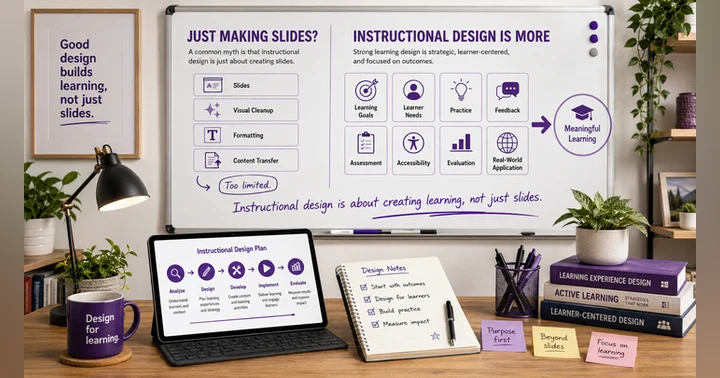
🖼️ Image Disclosure: This featured image was generated with AI using ChatGPT and reviewed by the author.

Award-Winning Instructional Designer, College Professor, Consultant, and Podcast Host
Jackie Pelegrin is an award-winning instructional designer, consultant, and adjunct instructor at Grand Canyon University. Her experience spans higher education and corporate learning, and she holds an MBA and a master’s degree in Instructional Design and Technology. An Arizona native, Jackie enjoys reading, movies, games, and time with family and friends.
Instructional Design: More Than Just Making Slides