Future Ready Learning: Designing Education for What Comes Next
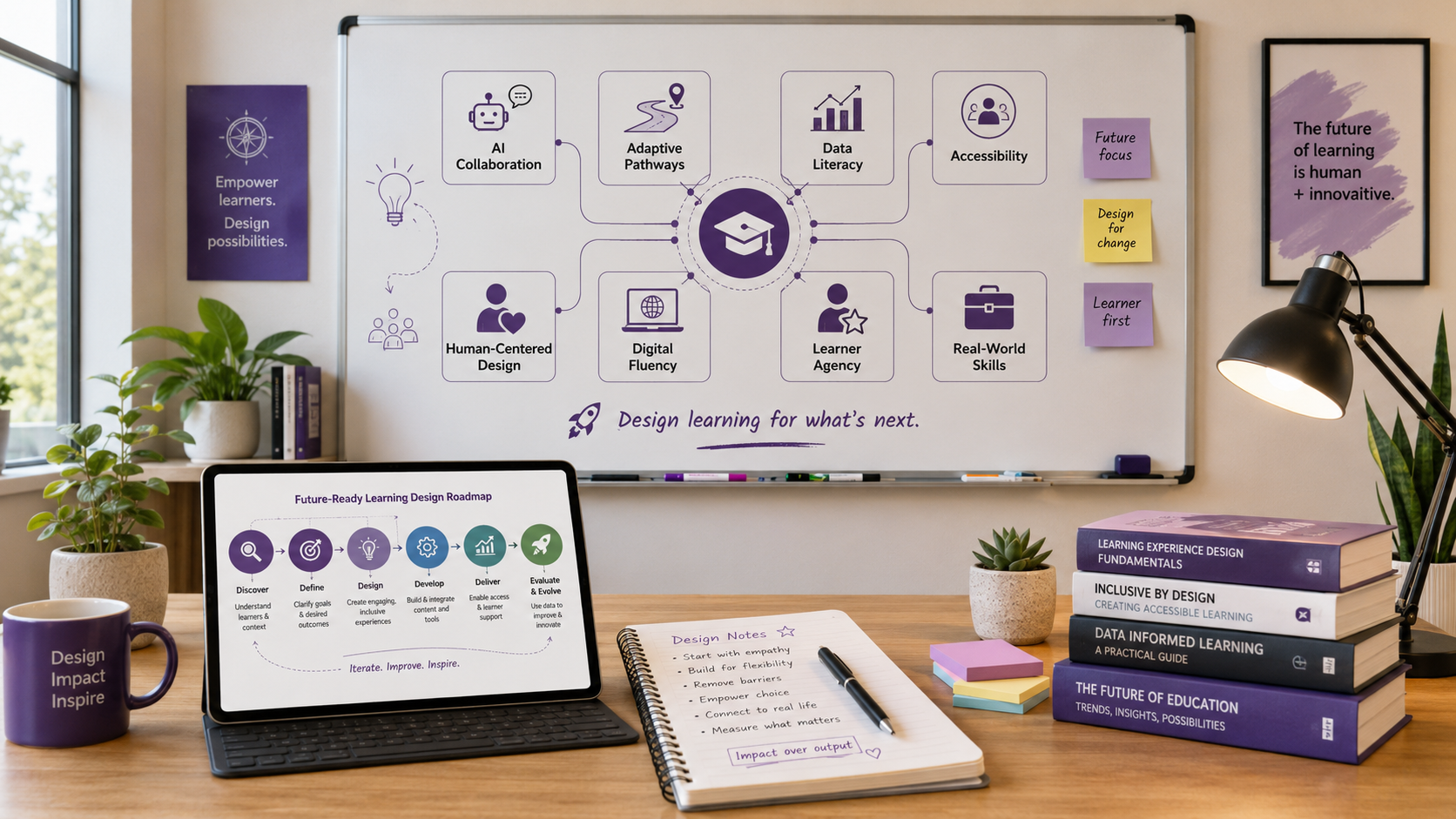
As instructional designers and educators, we often find ourselves asking: what does the future hold for education? In the inaugural episode of the Designing with Love podcast’s new series, we explore the practical aspects of future ready learning, emphasizing the immediate relevance of our design choices today. This post will delve into the key elements that will shape education leading up to 2027 and beyond, offering insights on how to create meaningful learning experiences that drive real-world skills and adaptability.
Understanding Future Ready Learning
One of the most pressing questions we face is: what does 2027 demand from designers? Rather than predicting distant trends, we must focus on the here and now. The future of learning is already being influenced by tools, learner expectations, and workplace requirements. Today's learners are accustomed to flexibility and skill development, and they expect educational experiences that prepare them for real-world challenges.
The Shift from Information Delivery to Skill Development
For too long, many educational programs have centered around the question of what information learners need to know. While this is still an important consideration, a future-ready designer must also ask: what skills do learners need to practice? This shift emphasizes the importance of developing capabilities such as problem-solving, critical thinking, digital literacy, and ethical decision-making. For instance, when designing a lesson on artificial intelligence (AI), it’s not enough for learners to understand what AI is; they must also engage in exercises that help them evaluate AI-generated responses critically.
Emphasizing Meaningful Evidence of Learning
Moving from passive assessment to meaningful evidence of learning is crucial in our evolving educational landscape. Given the accessibility of tools that allow learners to produce polished work quickly, we must rethink how assessments are designed. Instead of merely submitting final products, learners should be encouraged to demonstrate their thought processes, choices, and growth. Effective assessments might include reflections, scenario-based responses, or portfolios that showcase their journey.
From Technology-First to Human-Centered Design
As technology rapidly evolves, the temptation to prioritize tools over learners can lead to misguided design choices. Future-ready design must begin with a focus on the learners themselves. Designers should consider who the learners are, what they need, and what barriers they may face. Technology can enhance learning experiences, but it should never overshadow the human element. The goal should be to create designs that are clear, accessible, ethical, and supportive of learners' growth.
Key Takeaways for Future Ready Learning
As we wrap up this exploration of future-ready learning, here are three key insights to integrate into your design practices:
- Focus on Capability Building: Shift from simply delivering content to providing opportunities for learners to practice and apply their skills in real-world contexts.
- Rethink Assessment Strategies: Move beyond traditional assessments that only measure final products. Incorporate methods that reveal learners' thinking and growth processes.
- Prioritize Human-Centered Design: Ensure that technology serves learning rather than dictating it. Always design around the needs of the learners.
In conclusion, the future of learning will not be shaped by tools alone but by intentional design that places learners at the center. As we move towards 2027, let’s embrace the responsibility of crafting educational experiences that empower learners to adapt, grow, and thrive. To facilitate this journey, we offer a resource called the Future Ready Design Brief, which provides a framework for assessing your current educational designs.
For more on the implications of AI in education, check out our next episode in this series, where we will dive deeper into this transformative force.
🖼️ Image Disclosure: This featured image was generated with AI using ChatGPT and reviewed by the author.

Award-Winning Instructional Designer, College Professor, Consultant, and Podcast Host
Jackie Pelegrin is an award-winning instructional designer, consultant, and adjunct instructor at Grand Canyon University. Her experience spans higher education and corporate learning, and she holds an MBA and a master’s degree in Instructional Design and Technology. An Arizona native, Jackie enjoys reading, movies, games, and time with family and friends.

How Adult Learning Principles Enhance Education: Key Insights With Dr. Dwayne Wood