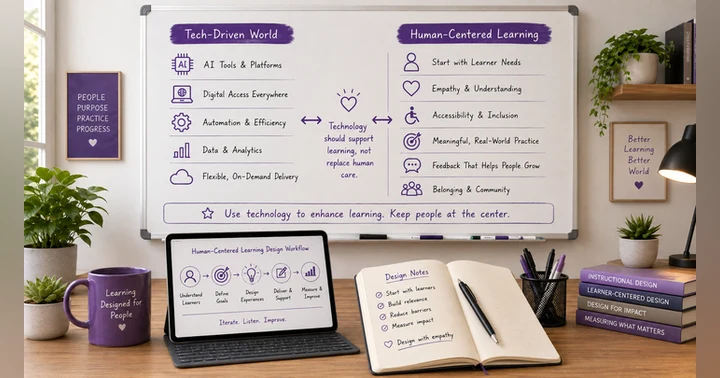
The Myth of Technology in Learning: Why It Doesn’t Automatically Improve Outcomes
In the fast-paced world of education and instructional design, a prevailing myth continues to shape how we approach technology: the belief that technology automatically improves learning. This assumption often leads educators and instructional designers to adopt new tools without critically assessing their effectiveness. In this post, we will unpack this myth, explore why it persists, and discuss how to make more intentional design decisions that prioritize learning outcomes over flashy tools.
Understanding the Myth: Technology Does Not Equal Learning
Many educators have fallen into the trap of thinking that simply integrating the latest technology will enhance the learning experience. New platforms and applications often come with promises of improved engagement and efficiency. However, technology alone cannot replace effective instructional design. The critical factor is how well the technology aligns with learning goals and supports the learner's needs.
Why This Myth Persists
- Visibility of Technology: New tools and platforms are visually appealing and easy to showcase. When an organization adopts a new learning management system, it often feels like progress is being made — but this is misleading. The deeper design work that supports effective learning is often less visible and can be overlooked.
- A False Sense of Progress: The excitement around adopting new tools can create a perception of innovation. However, innovation does not equate to effectiveness. A beautifully designed tool can still lead to a poor learning experience if the underlying goals and strategies are unclear.
- Pressure to Keep Up: The rapid pace of technological advancement can pressure educators to adopt new tools without sufficient time to evaluate their true fit for specific learning contexts. This rush can result in designing around the tool rather than the learner.
The Importance of Purpose-Driven Design
To counter the myth that technology automatically improves learning, it is essential to shift our focus from a tool-first mentality to a purpose-first design approach. This means asking the right questions:
- What are the learning goals?
- What do learners need to do with the content?
- How can technology support these goals effectively?
Key Questions to Consider
Before choosing a technology, pause to ask:
- What is the learning goal?
- What barriers might the tool create for learners?
- How much time will learners need to use it effectively?
These questions help us avoid using technology simply because it is available, ensuring that we prioritize the learning experience.
Technology as a Supportive Tool
When technology is used intentionally, it can significantly enhance learning experiences. Here are a few ways technology can support educational goals:
- Facilitating Feedback: Technology can enable faster feedback loops, allowing learners to understand their progress and areas for improvement more quickly.
- Realistic Practice: Simulation tools can provide learners with opportunities to practice in realistic scenarios, fostering deeper understanding and retention.
- Accessibility: Digital tools can make learning more accessible for diverse learners, providing options that cater to different needs.
However, for technology to add value, it must align with clear instructional purposes.
Myth Reset: Rethinking Our Approach to Technology
Instead of believing that technology automatically improves learning, we should adopt the mindset that technology only enhances learning when it serves a clear instructional purpose. This week, take the time to review a technology-supported lesson or activity and ask:
- What learning goal does this technology support?
- Is it making the experience clearer or more complicated?
- Could a simpler option work just as well?
By critically evaluating our use of technology, we can make adjustments that enhance the learning experience rather than complicate it.
Conclusion
In conclusion, while technology can improve learning when used thoughtfully, it is not a panacea. As educators and instructional designers, we must prioritize clear learning goals and ensure that the tools we choose genuinely support those objectives. Embrace technology with intention, and question familiar beliefs about its effectiveness.
As you move through your week, challenge yourself to rethink how technology fits into your learning designs. Until next time, keep questioning and designing with love.
🔗 Episode Links
Please check out the resources mentioned in the episode. Enjoy!
Myth Reset Case File: Technology with Purpose
Mayer’s Principles of Multimedia
🖼️ Image Disclosure: This featured image was generated with AI using ChatGPT and reviewed by the author.

Award-Winning Instructional Designer, College Professor, Consultant, and Podcast Host
Jackie Pelegrin is an award-winning instructional designer, adjunct instructor at Grand Canyon University, podcast host, and consultant. Her experience spans higher education and corporate learning, and she holds an MBA and a master’s degree in Instructional Design and Technology. An Arizona native, Jackie enjoys reading, movies, games, and time with family and friends.
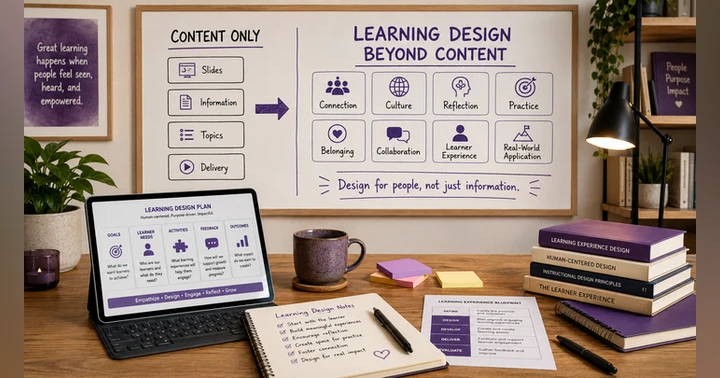
How to Move Beyond Content in Learning Design: Insights from Nicole Weber