How to Effectively Implement Multimodal Learning Strategies for Adult Education With Dr. Dwayne Wood
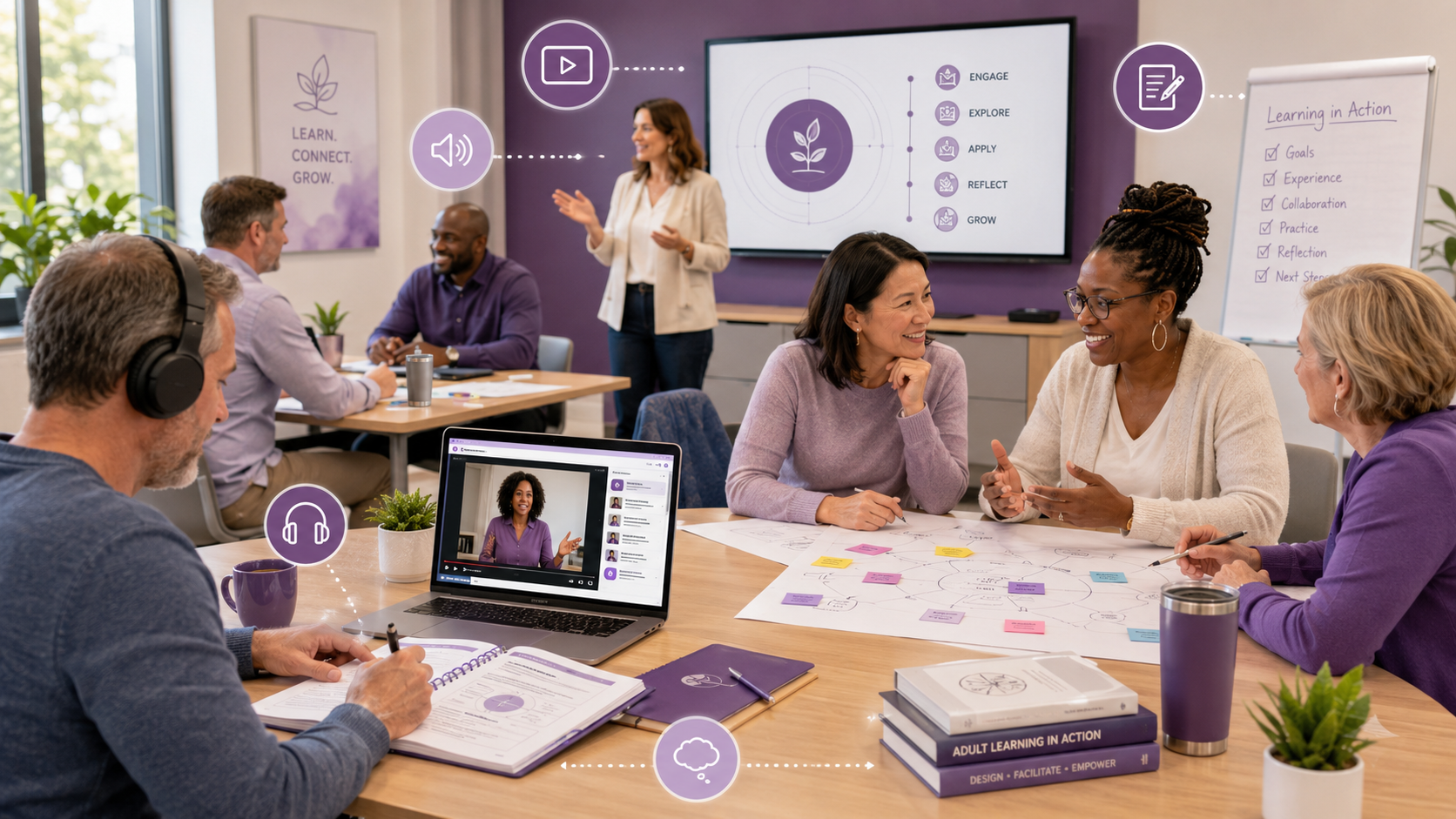
In today’s fast-paced educational landscape, instructional designers and educators face the challenge of catering to diverse learning preferences and needs, especially in adult education. With the rise of technology and the shift towards online and blended learning environments, it’s crucial to explore how multimodal learning can enhance the learning experience. In this post, we’ll delve into practical strategies for implementing multimodal learning techniques that effectively support adult learners.
Understanding Multimodal Learning
Multimodal learning refers to the use of multiple methods and formats to convey information, such as text, audio, video, and interactive simulations. This approach acknowledges that learners have varying preferences and strengths, making it essential to provide diverse ways to access and engage with content. By incorporating multimodal strategies, educators can create a more inclusive and effective learning environment.
The Importance of Reducing Cognitive Load
One of the key considerations when implementing multimodal learning is cognitive load. Cognitive load theory suggests that our ability to process information is limited; thus, presenting information in a way that minimizes extraneous cognitive load is vital. For instance, using visuals to explain complex concepts can significantly reduce intrinsic cognitive load. For example, rather than describing a geometric shape verbally, showing an image of the shape allows learners to grasp the concept more quickly and effectively.
Practical Strategies for Multimodal Learning
- Pair Explanation with Application: To help learners connect abstract concepts with practical applications, pair theoretical explanations with real-world scenarios. For example, if discussing a theory, follow it up with a case study or a hands-on activity that illustrates its application. This dual-coding strategy leverages both auditory and visual processing, increasing retention.
- Design for Accessibility: When creating learning materials, it’s essential to ensure that they are accessible to all learners. This includes providing captions for videos, transcripts for audio content, and alternative text for images. Not only does this support learners with disabilities, but it also benefits everyone by offering various ways to engage with the material. For example, if a video is captioned, learners in noisy environments can still follow along.
- Utilize Technology Wisely: Technology plays a significant role in multimodal learning. However, instructors need to ensure that the tools used are intuitive and do not add unnecessary cognitive load. For instance, if a course requires the use of a specific software tool, providing clear instructions and resources on how to use it can alleviate potential frustrations and distractions from learning the actual content.
- Encourage Learner Agency: Allow learners some choice in how they engage with the content. For instance, offering options for assessments—such as written reports, presentations, or projects—can empower learners to demonstrate their understanding in a way that suits their strengths. This not only enhances motivation but also fosters a sense of ownership over their learning process.
Conclusion
Implementing multimodal learning strategies is essential for meeting the diverse needs of adult learners. By reducing cognitive load, providing varied access points to content, and designing for accessibility, educators can create a more engaging and effective learning environment. As we continue to adapt to the evolving educational landscape, embracing multimodal learning will ensure that all learners can thrive in their educational journeys.
📢 Call-to-Action: Want to explore how Generative AI is shaping academic curriculum? Visit the links in the show notes to connect with Dr. Dwayne Wood, learn more about his work, and continue reflecting on how AI can support thoughtful, human-centered curriculum design.
📖 Additional Resource: You can also visit National University to learn more about its programs and resources for adult learners, working professionals, and military-connected students.
🖼️ Image Disclosure: This featured image was generated with AI using ChatGPT and reviewed by the author.

Award-Winning Instructional Designer, College Professor, Consultant, and Podcast Host
Jackie, an Arizona native, leverages decades of experience as an award-winning instructional designer within both higher education and the corporate world. She holds an MBA and a Master of Science in Instructional Design and Technology, both acquired through online learning. In addition to her full-time role, Jackie serves as an award-winning adjunct instructor, teaching online courses at Grand Canyon University. During her leisure time, she delights in reading books across a range of genres, enjoying movies and TV shows, playing games, listening to uplifting music, and spending quality time with her family and friends.
The Myth of Class Size and Learning Quality: What You Need to Know