The Impact of Generative AI on Curriculum Design: What Educators Need to Know With Dr. Dwayne Wood
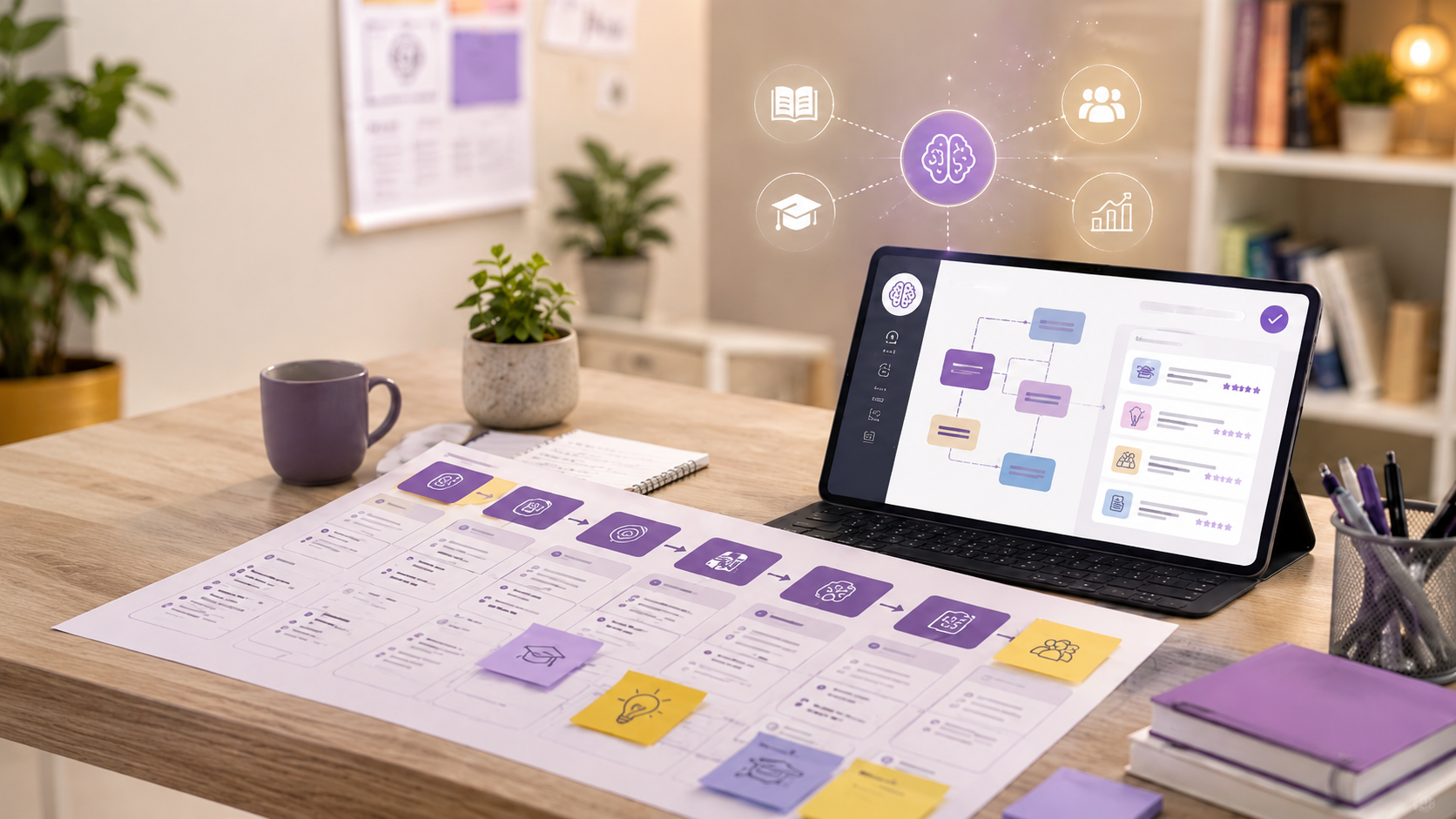
Generative AI is transforming the landscape of education, prompting many educators to rethink how they design courses and learning experiences. In this post, we’ll delve into the implications of generative AI on academic curricula, drawing insights from an enlightening conversation with Dr. Dwayne Wood, an experienced educator and curriculum developer. We’ll explore the opportunities and challenges that come with integrating AI into educational frameworks, ensuring that educators are well-prepared for this evolving landscape.
Understanding Generative AI in Education
Generative AI refers to artificial intelligence systems capable of creating content, such as text, images, and even code, based on input data. This technology is not just a tool for content creation; it represents a shift in how we approach teaching and learning.
The Shift from Content Creation to Cognitive Guidance
Traditionally, educators focused on content delivery and navigation within learning materials. However, with generative AI, the role of instructional designers is shifting towards guiding learners through cognitive processes. This involves understanding how learners interact with AI tools and how AI can enhance critical thinking and problem-solving skills.
For instance, Dr. Wood emphasizes that while AI can assist in organizing and summarizing content, educators must ensure that students engage in cognitive effort to achieve meaningful learning outcomes. This requires a careful balance between utilizing AI tools and fostering skills that promote deeper understanding.
Opportunities for Curriculum Development
- Rapid Iteration and Feedback: One of the significant advantages of generative AI is its ability to facilitate rapid iterations in curriculum design. Educators can quickly produce content, gather feedback, and adjust learning materials in real-time. This agility allows for more responsive teaching practices that can better meet student needs.
- Personalized Learning Experiences: Generative AI can help tailor educational experiences to individual student needs. By analyzing student performance and preferences, AI can suggest personalized learning paths, making education more accessible and engaging.
- Augmented Learning Outcomes: Dr. Wood notes that AI can enhance higher-order thinking skills by providing tools that encourage students to explore complex concepts and generate new ideas. For instance, in advanced courses, AI can support creative problem-solving and collaborative projects.
Concerns About AI Integration
Despite its potential, integrating generative AI into education presents several challenges:
- Skill Erosion: As AI takes on more tasks traditionally handled by educators, there is a risk of skill erosion among instructional designers. If educators rely too heavily on AI for content creation, they may lose the critical thinking and design skills necessary for effective teaching.
- Quality Control: The quality of AI-generated content can vary, leading to concerns about accuracy and reliability. Educators must remain vigilant in reviewing AI outputs to ensure they meet educational standards and are aligned with learning objectives.
- Cognitive Overload: While AI can provide valuable assistance, there is a danger that students may become overwhelmed by the influx of information and tools. Educators must strike a balance between utilizing AI and encouraging students to engage deeply with content without relying solely on AI-generated inputs.
Navigating the Future of Education with AI
As we look towards the future, educators must embrace a thoughtful approach to integrating generative AI into curriculum design. This includes establishing clear expectations for AI use, fostering critical thinking skills, and maintaining a focus on student engagement and learning outcomes.
Key Takeaways
- Generative AI is reshaping educational practices, requiring educators to adapt their approaches to curriculum design.
- The role of instructional designers is evolving from content creators to cognitive guides, emphasizing the importance of student engagement and critical thinking.
- While AI offers significant opportunities for personalized learning and rapid iteration, educators must remain vigilant about maintaining quality and fostering essential skills.
In conclusion, the integration of generative AI into education presents both exciting possibilities and important challenges. By understanding how to leverage this technology effectively, educators can enhance their teaching practices and better prepare students for a rapidly changing world.
📢 Call-to-Action: Want to explore how Generative AI is shaping academic curriculum? Visit the links in the show notes to connect with Dr. Dwayne Wood, learn more about his work, and continue reflecting on how AI can support thoughtful, human-centered curriculum design.
📖 Additional Resource: You can also visit National University to learn more about its programs and resources for adult learners, working professionals, and military-connected students.
🖼️ Image Disclosure: This featured image was generated with AI using ChatGPT and reviewed by the author.

Award-Winning Instructional Designer, College Professor, Consultant, and Podcast Host
Jackie, an Arizona native, leverages decades of experience as an award-winning instructional designer within both higher education and the corporate world. She holds an MBA and a Master of Science in Instructional Design and Technology, both acquired through online learning. In addition to her full-time role, Jackie serves as an award-winning adjunct instructor, teaching online courses at Grand Canyon University. During her leisure time, she delights in reading books across a range of genres, enjoying movies and TV shows, playing games, listening to uplifting music, and spending quality time with her family and friends.
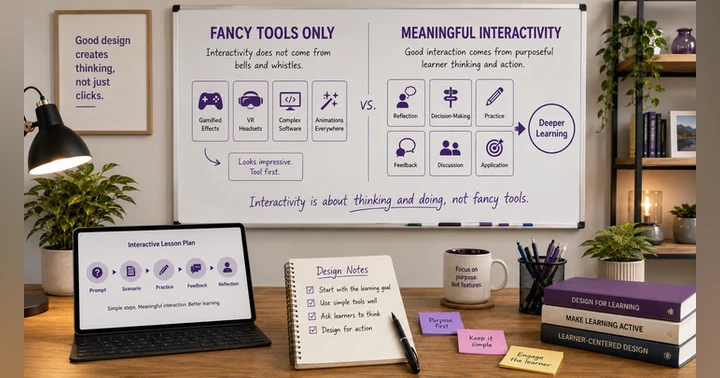
Interactivity Requires Fancy Tools: Debunking a Common Myth