Navigating AI Tool Approvals: A Guide for Instructional Designers

In the rapidly evolving landscape of instructional design, the integration of AI tools can often feel like navigating a maze. You may have the perfect tool in mind, but suddenly, you're faced with numerous approvals and questions from IT, security, and procurement teams. In this blog post, we will explore how to streamline the approval process for AI tools, ensuring that you can leverage these technologies effectively without hitting a brick wall.
Understanding the New Landscape of AI Tool Approvals
AI tools are not just about enhancing learning experiences; they also involve significant technology and risk considerations. Instructional designers must now evaluate tools that require insights into learner data, integration with existing systems, and compliance with privacy and security regulations. This multifaceted approach means that approvals are no longer solely about learning design but also about technology and procurement decisions.
Why Collaboration is Key
Understanding the concerns of IT, security, and procurement is vital. These teams are not obstacles but partners in creating a learning ecosystem that is safe, sustainable, and scalable. By approaching them with clarity rather than urgency, you can facilitate smoother conversations and approvals.
The Risks of Poor Communication in AI Approvals
Entering the approval process without sufficient information can lead to frustrating delays and misunderstandings. Here are common pitfalls that instructional designers encounter:
- Starting with the Tool: Focusing on the tool rather than the use case can lead to a binary yes or no decision. Instead, articulate the learning problem you aim to solve, which places the tool in the context of its purpose.
- Lack of Data Awareness: Not knowing what data will be used can create significant hurdles. Be prepared to discuss whether personal information or sensitive data will be involved.
- Involving Stakeholders Too Late: Early collaboration with IT and security can save emotional stress and lead to better solutions. Bringing them into the conversation from the start allows for their insights to shape a more effective approach.
- Treating Approval as a One-Time Event: Understand that approvals can change based on the context and use of the tool. Be clear about what the tool will be used for to avoid confusion later.
Speaking the Language of Stakeholders
To facilitate the approval process, instructional designers must adapt their communication to address the specific concerns of IT, security, and procurement.
Engaging with IT: Ensuring Compatibility
When discussing with IT, focus on:
- Integration: How does the tool fit into existing systems?
- Support Needs: What kind of support will users need?
- Reliability: What are the expectations for system uptime and reliability?
Addressing Security Concerns: Assessing Risk
When approaching security teams, be ready to discuss:
- Data Privacy: What data will be entered into the tool?
- Compliance: Are there any regulatory concerns?
- Access Control: Who will have access to the data?
Justifying Costs with Procurement
To engage procurement teams, provide:
- Value Proposition: What problem does this tool solve?
- Cost Analysis: Is this investment justified based on expected outcomes?
- Vendor Relationship: Who manages the relationship with the vendor?
Creating an Effective AI Approval Brief
A practical strategy for navigating AI tool approvals is to prepare a concise AI approval brief. This one-page document should include:
- Use Case: Clearly define what you aim to achieve with the tool.
- Audience: Specify who will use the tool and the context of its use.
- Data Considerations: Outline what data will be inputted into the tool.
- Risk Assessment: Determine the level of risk associated with the tool.
- Value and Evaluation: Describe how you will evaluate the tool’s effectiveness.
This brief will guide your conversations with stakeholders and demonstrate that you have thoughtfully considered the implications of your proposed tool.
Key Takeaways
- AI tool approvals require collaboration with IT, security, and procurement teams.
- Communicate clearly about the use case, data involved, and risk levels.
- Prepare a concise AI approval brief to facilitate discussions.
Navigating AI tool approvals may initially seem daunting, but with a clear understanding of your audience and a well-prepared strategy, you can move forward confidently. As Helen Keller said, "Alone we can do so little; together we can do so much." Embrace collaboration to ensure that AI tools enhance your instructional design efforts effectively.
🔗 Episode Links
Please check out the resource mentioned in the episode. Enjoy!
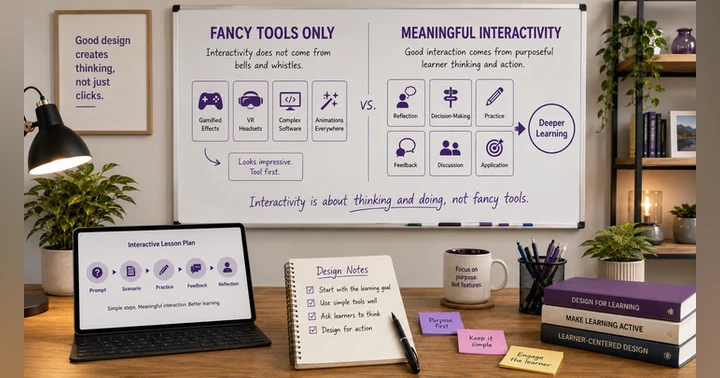
🖼️ Image Disclosure: This featured image was generated with AI using ChatGPT and reviewed by the author.

Award-Winning Instructional Designer, College Professor, Consultant, and Podcast Host
Jackie, an Arizona native, leverages decades of experience as an award-winning instructional designer within both higher education and the corporate world. She holds an MBA and a Master of Science in Instructional Design and Technology, both acquired through online learning. In addition to her full-time role, Jackie serves as an award-winning adjunct instructor, teaching online courses at Grand Canyon University. During her leisure time, she delights in reading books across a range of genres, enjoying movies and TV shows, playing games, listening to uplifting music, and spending quality time with her family and friends.

The Impact of Generative AI on Curriculum Design: What Educators Need to Know With Dr. Dwayne Wood