Good Teaching vs. Good Instructional Design: Understanding the Distinction

In the world of education, there is a common belief that good teaching automatically leads to effective instructional design. But is this really the case? In this blog post, we will debunk the myth that good teaching equals good instructional design, exploring the key differences and the implications for educators and instructional designers alike.
Understanding the Myth
At first glance, the idea that good teaching translates to good instructional design seems reasonable. Strong teachers are skilled in knowing their learners, explaining concepts clearly, and making adjustments in real time. However, while good teaching and good instructional design do share some commonalities, they are fundamentally different practices.
The Differences Between Teaching and Instructional Design
Good teaching often occurs in the moment, focusing on a specific group of learners. It thrives on interaction, immediate feedback, and the ability to adapt lessons on the fly. Instructional design, on the other hand, requires a comprehensive planning process that outlines the entire learning experience before the learners ever set foot in a classroom.
This distinction is crucial because it highlights that while teaching skills can enhance instructional design, they do not replace the need for a structured design process. Instructional design involves various elements such as learner analysis, goal clarification, content sequencing, and assessment planning, all of which are essential for creating effective learning experiences.
Why the Myth Persists
The myth that good teaching is sufficient for good instructional design persists for several reasons. For one, teaching is the most visible aspect of the learning process. When we see an instructor leading a discussion or explaining a concept, it’s easy to overlook the extensive behind-the-scenes work that goes into instructional design.
Additionally, many instructional designers come from teaching backgrounds, which can create a perception that teaching experience is all that is needed. While teaching experience does bring valuable skills such as empathy and communication, effective instructional design requires a broader perspective that goes beyond the classroom. It demands a focus on creating learning experiences that can be adjusted, scaled, and adapted to various contexts.
Shifting the Focus to Design
To rectify this misunderstanding, we need to shift our mindset from a delivery-based approach to a design-based approach. Instead of asking, "How will I teach this?" we should be asking, "What should learners be able to do after this experience?" This shift is essential for aligning learning goals with activities, assessments, and feedback.
For instance, if the objective is for learners to analyze case studies, the instructional designer must incorporate practice opportunities that allow learners to engage with the material actively. Good teaching instincts can inform this process, but instructional design is necessary to ensure that all elements work together cohesively.
Practical Applications for Instructional Designers
As instructional designers and educators, we must critically evaluate our learning experiences. This week, take a moment to analyze a course or training module you’ve developed. Ask yourself:
- Am I relying solely on delivery methods, or have I created a comprehensive learning experience?
- What specific skills should learners be able to demonstrate by the end of this experience?
- Where do learners have opportunities for practice and feedback?
- How is assessment connected to the learning goals?
- What support is in place to help learners before they encounter difficulties?
By addressing these questions, we can move beyond simply presenting content to designing experiences that foster genuine learning.
Conclusion
In conclusion, while good teaching can certainly enhance instructional design, it is not a substitute for a structured design process. By understanding the differences between these two practices, instructional designers can create more effective and intentional learning experiences. As we continue to challenge the myth that good teaching equals good instructional design, let’s commit to integrating both teaching and design principles to better serve our learners.
🔗 Episode Links
Please check out the resources mentioned in the episode. Enjoy!
Myth Reset Case File: Teaching vs. Instructional Design
Understanding by Design by Grant Wiggins and Jay McTighe
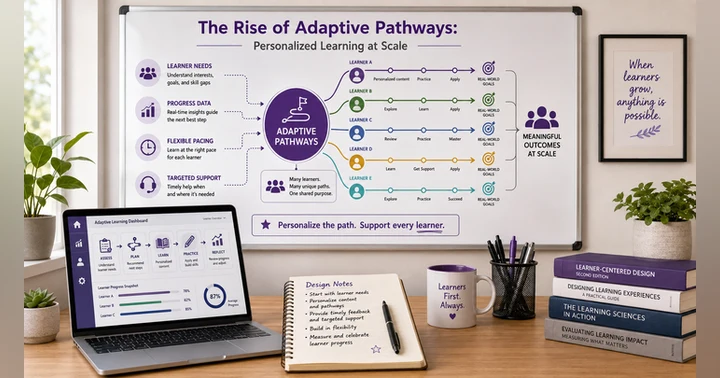
🖼️ Image Disclosure: This featured image was generated with AI using ChatGPT and reviewed by the author.

Award-Winning Instructional Designer, College Professor, Consultant, and Podcast Host
Jackie Pelegrin is an award-winning instructional designer, adjunct instructor at Grand Canyon University, podcast host, and consultant. Her experience spans higher education and corporate learning, and she holds an MBA and a master’s degree in Instructional Design and Technology. An Arizona native, Jackie enjoys reading, movies, games, and time with family and friends.
Creating With AI: Human Creativity in Writing With Michael Leggs