How to Make Cybersecurity Training Engaging: 5 Strategies for Success With Lee Anderson
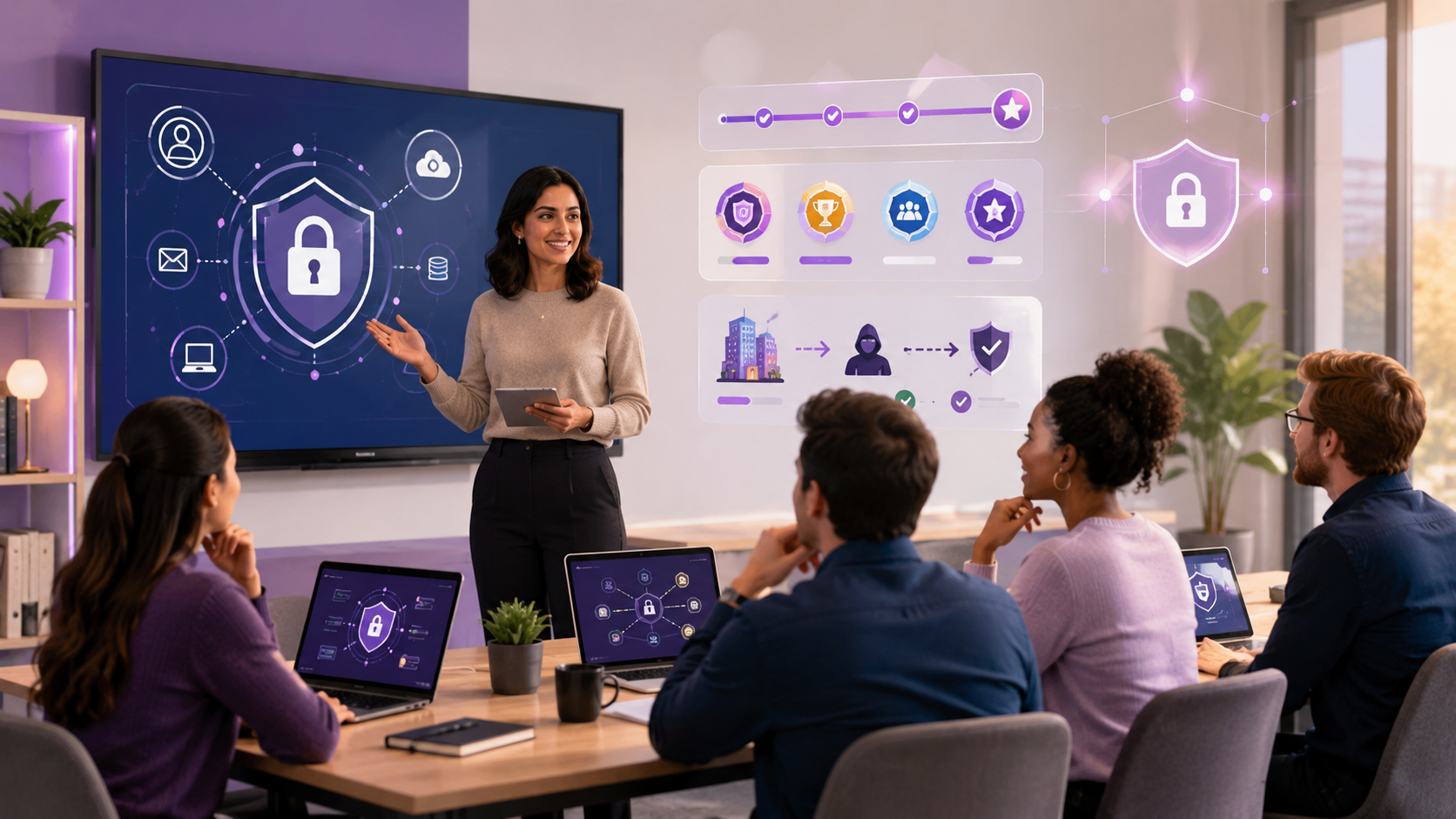
Learn how to create engaging cybersecurity training that sticks. From interactive games to practical scenarios, discover strategies that resonate with learners.
Cybersecurity training often elicits thoughts of dry compliance and fear-based tactics. But what if there were ways to make this vital education engaging and memorable? In this post, we’ll explore five strategies to transform your cybersecurity training into a dynamic learning experience that resonates with your audience. With insights from cybersecurity expert Lee Anderson, you’ll learn how to connect with learners on a personal level, leverage interactive methods, and foster a lasting culture of security.
Why Traditional Cybersecurity Training Falls Short
Cybersecurity training is often perceived as boring, overly technical, or fear-inducing. Many organizations rely on compliance-driven approaches that fail to engage employees effectively. This section explores the shortcomings of traditional training methods and highlights the need for a more human-centered approach.
The Compliance Trap
- Many training programs prioritize compliance over genuine understanding.
- Fear tactics can lead to short-term compliance but fail to foster long-term behavioral change.
Lack of Personal Connection
- Traditional training methods often fail to relate to learners’ real-world experiences.
- Without personal relevance, learners struggle to retain information.
Strategy 1: Incorporate Interactive Learning Experiences
One of the most effective ways to engage learners is through interactive experiences. Lee Anderson emphasizes the importance of making cybersecurity education fun and relatable. Here’s how:
- Gamification: Use games like Hack Attack Defense to teach cybersecurity concepts in a playful environment.
- Scenario-Based Learning: Create real-life scenarios where learners must apply cybersecurity principles to solve problems.
Example from Hack Attack: Defense
Players learn about password management through gameplay, prompting discussions about security practices at home.
Strategy 2: Focus on Behavioral Psychology
Understanding how stress and behavior affect decision-making is crucial in cybersecurity training. Lee shares insights on:
- The Amygdala Hijack: Stressful situations can impair logical thinking, making employees vulnerable to cyber threats.
- Empathy in Design: Tailor training to address the emotional and mental health of learners.
Practical Application
Provide brain breaks during training sessions to help employees reset and absorb information better.
Strategy 3: Foster a Culture of Security
Creating a culture of security within an organization can lead to more engaged and informed employees. Here’s how:
- Leadership Buy-In: Leaders should model good security practices and promote ongoing education.
- Peer Learning: Encourage employees to share their cybersecurity experiences and strategies with each other.
Long-Term Benefits
A strong security culture leads to proactive employees who take security seriously.
Strategy 4: Personalize Learning Experiences
Personalizing training content can significantly improve engagement and retention. Consider these tactics:
- Create Learner Personas: Develop profiles of your audience to tailor content to their needs and experiences.
- Use Real Stories: Share relatable anecdotes or case studies to illustrate cybersecurity concepts in action.
Example of Personalization
Encourage employees to reflect on their past experiences related to cybersecurity threats, making the training more applicable.
Strategy 5: Supplement with Online Resources
While in-person training is vital, supplementing it with online resources can enhance learning:
- Access to Online Content: Provide additional resources, articles, and videos that delve deeper into topics covered in training.
- Social Media Engagement: Use social media to share bite-sized cybersecurity tips and reinforce learning.
Conclusion
Transforming cybersecurity training from a dull compliance exercise into an engaging learning experience is crucial for long-term success. By incorporating interactive methods, focusing on behavioral psychology, fostering a culture of security, personalizing content, and supplementing with online resources, organizations can empower their employees to make informed decisions in high-pressure situations.
Key Takeaways
- Make cybersecurity training engaging and relatable.
- Use interactive methods to enhance learning.
- Foster a culture of security within your organization.
🔗 Website and Social Links:
Please visit Lee Anderson’s website and social media links below.
📢 Call-to-Action: If you want to support a cause aligned with protecting children online, we encourage you to learn more about the Innocent Lives Foundation and the work they do with law enforcement to combat child exploitation.
🖼️ Image Disclosure: This featured image was generated with AI using ChatGPT and reviewed by the author.

Award-Winning Instructional Designer, College Professor, Consultant, and Podcast Host
Jackie Pelegrin is an award-winning instructional designer, adjunct instructor at Grand Canyon University, podcast host, and consultant. Her experience spans higher education and corporate learning, and she holds an MBA and a master’s degree in Instructional Design and Technology. An Arizona native, Jackie enjoys reading, movies, games, and time with family and friends.
Human-Centered Learning in a Tech-Driven World