Apple Podcasts
 Spotify
 Youtube Music
 Amazon Music
 iHeartRadio
 Podcast Addict
 PocketCasts
  Podchaser
  Deezer
  PlayerFM
  Castro
  Castbox
  Goodpods
 From Classroom to Corporate Learning With Jessica Smith

Ever wondered how a teacher’s instincts translate into real business value? We sit down with Jessica Smith, a former secondary Spanish teacher turned corporate instructional designer at ADP, to unpack the exact moves that make the leap from education to L&D not just possible, but powerful. From scoping with SMEs to beating scope creep, Jessica shows how to define clear performance outcomes, audit existing materials, and pick formats that fit the workflow instead of slowing it down.
If you’re curious about transitioning to corporate instructional design, you will get a concrete seven-day plan: scan job descriptions to map skills, test-drive tools with free trials, build a tiny practice project on a topic you love, and connect with mentors and communities on LinkedIn. You’ll hear why employers often value thinking and process over polish, how to structure stakeholder check-ins to prevent last-minute surprises, and the mindset shift that keeps you adaptable when tools change.
Join us for a candid, practical roadmap to modern L&D, rooted in the same core insight that drives great teaching: know what the learner needs to do, then remove everything that gets in the way. If this conversation sparks ideas, subscribe, share it with a colleague, and leave a review to help more educators find their path into L&D.
📢 Call-to-Action: Are you thinking of moving from the academic world to learning and design in the private sector? You have transferable skills!
Join PodMatch!Use the link to join PodMatch, a place for hosts and guests to connect.
Disclaimer: This post contains affiliate links. If you make a purchase, I may receive a commission at no extra cost to you.
💟 Designing with Love + allows you to support the show by keeping the mic on and the ideas flowing. Click on the link above to provide your support.
☕ Buy Me a Coffee is another way you can support the show, either as a one-time gift or through a monthly subscription.
🗣️ Want to be a guest on Designing with Love? Send Jackie Pelegrin a message on PodMatch, here: Be a guest on the show
🌐 Check out the show's website here: Designing with Love
📱 Send a text to the show by clicking the Send Jackie a Text link above.
👍🏼 Please make sure to like and share this episode with others. Here's to great learning!
00:00 - Welcome & Guest Introduction
00:58 - Why Corporate L&D Felt Like A Calling
02:38 - Teacher Strengths That Transfer To L&D
05:45 - Adult Learning Nuances & Transition Confidence
08:23 - Scoping With SMEs & Beating Scope Creep
13:03 - Designing For Longevity & Evergreen Content
16:13 - Choosing Formats: Videos, Job Aids, Interactives
19:02 - Tools Stack: Camtasia & AI Voiceovers
21:54 - Just-In-Time Learning For Clients
23:54 - Trials, Practice Projects, & Certificates
26:49 - Portfolios, Presentations, & Hiring Proof
29:44 - Mentors, Adaptability, & Tool Fluidity
32:49 - Final Advice & Resources
39:34 - Closing & Listener Support
Welcome & Guest Introduction
Jackie Pelegrin
Hello, and welcome to the Designing with Love podcast. I am your host, Jackie Pellegrin, where my goal is to bring you information, tips, and tricks as an instructional designer. Hello, instructional designers and educators. Welcome to episode 108 of the Designing with Love Podcast. I'm thrilled to have Jessica Smith with me today. Jessica spent 13 years teaching secondary Spanish, earned a master's in education with a focus in curriculum and instruction, and then moved into higher ed curriculum design, where she honed me collaboration and course development. Today, as an instructional designer at ADP, she creates intentional e-learning across multiple platforms to help associates succeed. Welcome to the show, Jessica. Thanks, Jackie. I'm so glad to be here. Yes, me too. And we used to work together, so we have a little bit of that history. So that's great. So just yeah. So just to start, um, can you tell us a little bit about yourself other than what I mentioned in the introduction and share what inspired you to focus on corporate training as an instructional designer?
Jessica Smith
Definitely. Um, well, personally, um, I'm always seeking new challenges. If I do the same thing for too long, I just find myself thinking, what's next? Um, because I just like to learn and grow and just do different things and kind of reinventing myself as far as my career goes. I just enjoy doing that, but it's always with within the realm of learning in some way, shape, or form. Um in corporate training in particular, really just I thought I would really enjoy that because I love helping people learn. But when it comes to corporate training, obviously, I love helping people learn to do their jobs more effectively and efficiently, and just helping them to experience success in their everyday tasks, um, regardless of what it is that I create for them, um, whether it be a multi-day training or just a three-minute video, um, I think no matter what, I'm helping them be successful in their job. And that's what I really enjoy and um fills up my cup.
Teacher Strengths That Transfer To L&D
Jackie Pelegrin
Yes, I love that. That's something I get fulfillment with too. So it's it's great that you have that desire and that that um what do they say? Yeah, desire and just uh a calling, right? To to know that that's what you want to do. Yeah, it's trying to find the right word, and call calling seems to be a good word. It's a calling, absolutely. So you found you found your calling. I like that. So yeah, that's wonderful. So to set a clear bridge for all my listeners that maybe coming from K through 12 or higher ed, what are three strengths from your teaching and your curriculum background that transfer directly into corporate LD? And how do you translate each one into business language leaders can understand? That is a great question.
Jessica Smith
Um if you're in a if you're in the field of education, you have a deep understanding for any amount of years. You're gonna get an understanding of just how people learn. And yes, we could go into all the theories, the various models, and um, you know, adult learning versus K-12. And those are definitely worth pursuing and educating yourself on. But those skills are really easily transferable. So whether you're teaching little ones or you're teaching adults who have been doing this, doing their job for many years, um, it really doesn't matter. It's just understanding that, you know, just human learning in general. Um, their motivations may be different and the way your tone may be different and the way you give them information. Um, but regardless, just it's it's kind of interesting how if you asked somebody on the street, teach me how to do this, they might not even know how to start, you know, but a teacher would know how to do that. Step one, step two, so you know what I mean? Like they they would be able to figure that out. Um and and then when you see those gaps in learning, um, you you know how to dissect that disconnect between um what do they currently have, you know, current resources or lack thereof, and what does the learner need to be successful? You can you can mitigate those missed learning cues, you can figure out okay, you know this, this, and this, but what is it that you're not quite getting? And teachers really hone that skill over the years. They really get good at, you know, just drilling down to what is the what is the problem here to where we're we're we're getting her having a disconnect or something like that. So that's a huge part of a role, an instructional designer's role. It's a huge part of a teacher's role. So that that really is an easy connection as well. Right. Being able to bridge that gap is that teachers know how to get creative. Yeah, exactly. Um also uh teachers know how to get creative. They they know how to look at how does how does a learner work? How do they think? What are their processes? Um and taking that time to give a thoughtful process to align something that you know aligns with their workflow, uh, aligns with the best method um for conveying information to them. What does the learner need and how do they need it? Um so those are just really all things that teachers do every day that you have to do on instructional design as well. Those are key skills for sure.
Adult Learning Nuances & Transition Confidence
Jackie Pelegrin
Right. That's so true. And do you think it's helpful for those coming from a K through 12 into maybe going straight into corporate? Maybe they don't have that higher ed background to maybe um you know, just take some time to learn some of those theories, like adult learning theory, and uh just so they can kind of understand the translation or or what's different between how children learn and how adults learn as well, so they can kind of get a little bit of a better grasp of that. Or do you think it's pretty easy to transition into that from K through 12 to to a corporate environment?
Jessica Smith
You know, I think I do think it is an easy transition. I think that um two people who have taught for any amount of years will will certainly find it very intuitive. Um but that being said, I definitely think it's worth looking into. I mean, those those theories and adult learning um uh models are definitely something that are worth looking at, worth learning about, because it could change, like I said, like your tone and how you go about putting together these materials that you would have to do as an instructional designer, especially in the corporate environment.
Scoping With SMEs & Beating Scope Creep
Jackie Pelegrin
Right. Absolutely. Definitely different from K through 12 or even higher education, right? And how we our language and you know, just how we put together materials. Uh yeah, that's true. Because I I went from higher education, then went to corporate, then uh in in higher ed I was doing employee training, and then I went to um corporate and did that as well, higher ed or the uh employee training. And then as you know, I I came to you know where we used to work together and went into curriculum, and that was such a difference. I mean, even though I was doing adult training and things like that, going to curriculum was so different. So I was like, oh, I have to really kind of retrain myself a little bit and just get up to speed on what's the difference. So yeah, it's good to take a little bit of that time to do that. So that's great. Absolutely. But it's good to know that it's it's tangible and it's something that they don't have to be scared of, that they can they can venture into something like corporate training and and do it with confidence. I think that's that's a key thing, right? Absolutely. Yeah, exactly. Don't be intimidated. I always tell them exactly. I always tell that to my students and and everything. So I'm like, don't be intimidated. Yeah, you're you're an asset to it. You you just don't realize, you know, the potential that you have until you start doing it. So it's great. So true. Absolutely. Yes. So as we know, corporate timelines can move quickly, sometimes maybe even faster than in in education. So when you part partner with your SMEs at ADP, what does the intake and the scoping process look like? Maybe from first conversation to sign-off, and what's one risk you watch out for early that helps you keep that scope realistic?
Jessica Smith
Oh, always gotta watch out for that scope creep, that's for sure. Yes. Um well, obviously, you know, to start off, um, you you need to know what is what does the learner need to know, and really how deep does it need to go? Um, you know, what might be their prior knowledge, um those types of things. Um just basically setting those objectives. And it doesn't even have to be objectives that are formal or written somewhere. Sometimes it's just what do you want them to know? What do you want them to succeed at or you know, experience success at um or success with? Um, so that obviously is your starting point. Um, also, you know, what resources already exist? You got to get the content from somewhere. So um, you know, what of the people who are going to be using this training or materials, um, what do they have so far? Um, what do they what are they using um in the day-to-day? Or if it's you know training program, what exists? And also if there is something that exists, what's wrong with it? Does it need just need to be updated? Does it just not working so well? And you know, uh the finding learners just aren't having success with it, or things like that. So just doing a lot of discovery in the beginning, um taking the time to do that from the get-go obviously is going to make your client be much happier with the end result. Um because if you know they just come to you and say, I need a training that's based on this, and you just get going, you could recreate something that already exists that isn't gonna wow anybody. Right. So, yeah, so you need to know what's already there and and what do they need to know, and any pain points are helpful. Um, and I guess from there, I the next step would be figuring out um, you know, what tone and method do they prefer? You know, whether it be um really like a formal training, how long is it going to be, um multi modules and things like that. Um are they wanting something that's instructional? Just step-by-step, job aid type of a thing. Um or do they want something really interactive where the learner's going in and it's saying, here's a scenario. Um, what would you do? You know, get feedback as they go, possibly. Um, they're practicing and you know, trying out those skills as they're learning them. So really it just depends on all of those things that's gonna set you on the right trajectory for making your client happy for the end result.
Jackie Pelegrin
Right. That's so important. Because the last thing you want to do is reinvent the wheel, right? And and waste their time and waste your time creating something, like you said, that's already out there. And so that's so important to kind of get that good feel for what's what's out there and what's needed. So that needs assessment early on is so important, isn't it, Jessica? It really is. Yeah, it's it really is. Yeah, it really does.
Jessica Smith
Yep, absolutely. And you know, once you figure all this out, what do they need to know? And you know, what sort of materials are they looking for? Um look you asked about risks. Um yes. Keeping the scope realistic. There's always the question of the timeline. Right. When do they want it to be done? And how long do you think it's going to take to create what they they're asking for? Um, and that's really just something, you know, if you're not, you know, familiar with instructional design, it it just really takes time and you know, your your seasoned instructional designers are gonna say, okay, you know, realistically, it's probably gonna take you this amount of time to create this. And, you know, together, hopefully, between you and your SME, or sorry, yeah, between you and your SME, um, you can find a happy medium where I can create this deliverable by this period of time. So um everybody is happy and you're not pulling your hair out trying to meet an unrealistic deadline. And throughout the process, it's also important that your SME is available to you so you can regularly discuss content, having those regular check-in moments and saying, Hey, does this look right? Am I going in the right direction? Is this what you're looking for? Uh, do I have the correct information? Things like that. Um, because you hate to get to the end and then be like, ta-da, and it's all a mess or something that they don't want. So having regular check-ins is important. Um, do you need to be involved throughout, um, you know, and that may look differently depending on their deliverable and what you're creating, how often you need to meet, but it is important to make sure that they are involved. So when you get to the end, there's no surprises, and um, you know, they can just be thrilled with what you've created for them.
Jackie Pelegrin
Yes, that collaboration and iterative process with them is so important. Um, yeah. No surprises at the end, right? Yeah, we want to make sure that's no surprises at the end.
Choosing Formats: Videos, Job Aids, Interactives
Jessica Smith
And another thing that we always um considered, and I really took that with me into the corporate world when it, you know, when I worked with you, Jackie, we always considered longevity of the materials that we created. Yes. How can we make it as timeless as possible? Now, granted, nothing's completely timeless. Right. Everything's gonna have to be updated at some point. But, you know, constant upkeep is problematic, and in the corporate world, constant upkeep costs money. Right. Um so you have to, you know, talk to your SME about things that they might not want to include, you know, like specific websites, naming certain other training materials where the names could be changed or websites can break and things like that. Just sticking to the focus and the content of the training and trying to prevent that constant upkeep is just gonna it's gonna save money and time both. And frustration too.
Jackie Pelegrin
Absolutely, right. A term I've used quite a bit over the years uh is that you want to try to make sure it's as evergreen as possible. Like you said, you know, you can't always do that, but as much as you can, you know, try to keep it as general, like you said, no specific names, websites, things like that. And that way, if you want to put it in a in a reference material or something like that, it's a little bit easier to update, right, than having to go into an e-learning module and having to update that. So anytime you can kind of save yourself and everybody else that that time and energy, I think is so important. Yeah, that's true. For sure. Absolutely. And in corporate, they appreciate that a lot when you don't have to constantly go in and update things. And we know in curriculum the same thing is true. You know, we don't want to open up a course multiple times. So the same thing is true with corporate too. They don't want to have to open up a training three or four times a year and have to say, Oh, we have to update this again. Oh my goodness. Yeah.
Jessica Smith
So yeah, yeah. That's that's no fun for anybody.
Jackie Pelegrin
Right, exactly. So I know we've talked offline that you you work across several e-learning platforms. So how do you kind of decide which modality to use for requests? Say, like a short interactive or a guided module. You talked a little bit about that, or maybe performance support resource. Um, and maybe can you share one example of where that choice led to a measurable outcome for associates?
Tools Stack: Camtasia & AI Voiceovers
Jessica Smith
Definitely. Um, where I'm at right now, I haven't been in the corporate world for very long, just a year. Um, so and the corporation I work for is so big that at this point almost all my scoping and planning and all those types of things is already done for me when I'm given a project. Um, but I still I'm learning how, you know, when a project comes to me, I am given the background of how they've come to that um decision. Because the decisions have kind of already been made um at the at the time that I receive them. Um, but that's certainly not all instructional design jobs. It's just because I work for a very large corporation with a lot of different people with a lot of different roles. Um so we have analysts that kind of do that a little bit before I do. Um but I know one thing for sure. Something, you know, like I said, I'm given the background information when I receive my projects. And something that's, you know, number one part of a project, is it for the client or is it for an associate? So is it for an employee of the company I work for? Or is it for a client who's using our products? So for example, um, I'm on a pretty large project right now where it's a client-facing project. I'm sure associates could probably use it too, and it would be helpful. Um, but they're quick in application videos that are just basically how-tos from three to five minutes where it's, you know, very instructional. Click here, click here, click here. Um, they can watch it again and again. It is built into the product, so they just can click on the little thing that says watch a video if they want to know how to do something. And um I can quickly, you know, get them on track for the task they're they're trying to accomplish. Um you know, it's important to know when I'm creating these, what is the prior knowledge that the learner has. Um in this case, you know, like I'm talking about these client videos I'm making, they're already a trained professional. They don't need to know how to do their job. I don't need to teach them how to do their job. I couldn't if I tried. But they just need to know where to select and what to do specifically while they're in the product so they can move on and accomplish that task when they're in the tool.
Jackie Pelegrin
Right.
Jessica Smith
So that's just a quick example of something I'm on right now.
Jackie Pelegrin
Wow, that's great. What kind of tool are you utilizing to make those short videos? Is it a combination of different types of uh technology tools, or have you found uh a go-to? Yeah.
Just-In-Time Learning For Clients
Jessica Smith
Yeah, so I'm using Camtasia for my screencasts. So I'm going into the product, you know, and I'm doing the click here, click here, click here, and showing what happens um in the interface while I'm making those screencasts. And then for the audio, AI sounds much better than I do and doesn't make mistakes. So I use synthesia for that, and actually I'm importing my Camtasia videos into Synthesia so I have the audio, I have the video, I can do call-outs in there, you know, pointing at and highlighting certain things. And then part of the project is it's also a translation project. So I'm creating them in English and then I'm creating them in Spanish for my Puerto Rican friends. So um I can do that with a push of one button in synthesia. That's pretty cool.
Jackie Pelegrin
Wow, that's neat. And it's so cool too because tools like that, like synthesia 11 labs, it just it's amazing. They sound just like a human voice. So you you wouldn't be able to tell the difference between a human voice and and the AI voice because they sound so realistic.
Jessica Smith
It's so true, and there's so many different voices and tones you can put in and all these different things, and it really does a good job. Right. It really does an amazing job. That's amazing.
Trials, Practice Projects, & Certificates
Jackie Pelegrin
I've used Camtasia before to do videos, and it it's great. And I haven't used it in a while, so I'm sure there's multiple features now that you're using that weren't even in existence then. But then I'd have to do the voiceover and or I'd do it in captivate, and then have to do the voice and do all the voiceover. And then I remember having to do text to speech. I tried it a couple times early on in cap in the captivate world, and it did not sound good. It sounded so robotic. And I was like, this is not gonna work. I have to do it myself. But it's amazing how even just five, six years ago, how much has changed um and with AI and and we're not dependent upon it to the point where we where it does our work for us, but to be able to take out a lot of that work is just so amazing how it does that. Uh so I'm glad that to hear that you're using synthesia and it's working really well because some of my students have used it too and they love it. So it's great to to hear that it's working for you and you're able to make use of it in a in a great way. So yeah, I like that. Because I'm the same way. I when I go to record videos, I mean I sound I, you know, I can make it work, but then if I make a mistake, I want to hit stop, nope, do it over again, and then who knows? 10 takes later I could get it, but is it gonna be it may be okay, but you're right. When it's client-facing, you want to make sure it's it's the best it can be. And so employee training too, you want to make sure it's it's uh it's polished and it's and it's good and there aren't you know mistakes in it. So I get you on that one. Definitely.
Jessica Smith
Yeah, it's got a lot of cool features. So that's great.
Jackie Pelegrin
Especially with client-facing when it comes to corporate and with with ADP being such a large organization and and having that those, you know, they have so many, you know, businesses and so many corporations that are part of that ecosystem, right? So uh that rely on ADP for payroll and things like that. So it's it's a it's a big thing type of thing. So being able to provide that type of training and and know what they need and and know that they don't need to have, like you said, all the background. Just give them what they need so they can just get the video and then move on from their day, right? And yeah, that's that's great. I love that. Exactly. That just in time learning. Yes, so important. Yeah. So I wanted to present a a bonus question. So before we we we close out, what's one thing someone with academic expertise like yourself um can do in the next seven days? Maybe no budget required on their part to move their transition to corporate instructional design forward in that process, especially if they're interested in moving into that corporate world like you are.
Portfolios, Presentations, & Hiring Proof
Jessica Smith
Absolutely. Um I just kind of started by looking at maybe, you know, companies that I might want to look for or jobs that I might be interested in. I reached out to a few people who had who had done the same thing as I did. They had gone from the world of education and moved into the private sector. And I thought, you know, what what what did you do? What did you do to get where you are? And um, so it was interesting to kind of to hear from them a little bit. They I got a lot of tips from people on the types of things that I might be able to do. Um, you know, as you as you dig into looking at maybe some job descriptions that you might be interested in, what are the qualifications? You know, what what are they looking for? Um maybe there's some e-learning tools that they want you to know. Um, you could check out those products by getting a free trial. You know, you can skip like a month-long free trial, watch some demo videos, maybe play around with them and make a few, you know, get Camtasia, get synthesia, get whatever, and play around with them and see what you can create because I think almost all of them offer free trial these days. So you know, give them give them a try. Right. And another thing you might be able to do if you you know most most teachers probably have their masters already. Um I really didn't want to get another another degree. I just didn't feel like going all the way with another degree. My master's is in curriculum design, and I thought, you know, I just don't really want to get another master's. So I did a graduate certificate, and it didn't take me very long. Um, and I know there's a lot of different programs out there where you can get in that practice if you feel like doing on my own is just it's a lot. It's a lot to I don't even know what to create. I don't even know what to do. So if you feel like you'd like a little bit of formal instruction, there's a lot of graduate certificates out there in instructional design or um different platforms where you can kind of take short courses like Coursera and things like that, um, where you can just kind of dig into some of those skills that are required to become an instructional designer. Because if you have all of that, you know, if you have all that knowledge and that intuition and those skills that you we talked about in the beginning of this interview, um, about you know, things that you understand how people learn, you know how to see gaps in learning and getting creative and helping people to fill in those gaps of knowledge. That paired with learning some of these tools, really that's gonna set you on the a good trajectory to um move into the world of learning and development.
Jackie Pelegrin
Yeah, exactly. I love that. I love how you mentioned too, Jessica, about getting into those tools, even with just a 30-day trial. You can do a lot in a in a 30-day trial, and maybe you know, someone could do something that's uh a passion for them, like a passion project, and maybe, like you said, create something, just a short little e-learning or do a video or something like that. And then they're practicing in the tools and getting their feet wet, right? And uh yeah, I think that'd be good could be a great way to do that. Did you find when you moved over, Jessica, from you know, higher ed to corporate, when they interviewed you, did they ask for a portfolio or did they ask for samples or anything like that of work? Or um did you find that wasn't as important in that process?
Mentors, Adaptability, & Tool Fluidity
Jessica Smith
They didn't ask for a portfolio, but I did have to do a couple of presentations for a couple of different groups. Um you know, and I knew that my presentations needed to be interactive, they needed to highlight some of the skills that I had learned, like the skills that I learned in my grad certificate. Um and then um the other uh presentation that I did, they were looking for something a little bit more technical as far as like a technical training, since I do a lot of that. So they said I could take any mobile app that I wanted and basically do a training on how to use the mobile app. So um that's what I did. I took a whole bunch of screencasts on my iPhone and did a technical training basically going through how you can use. I did the app Tripit because I love to travel and I use TripIt all the time. So I just did a bunch of screencasts, like showing, go here, go here, and you can do this, and you can also do this, and here's how you, you know, add all of your components for your trip and things like that. Um so it really wasn't anything that I knew about payroll or anything that they do at ADP. It's just that I understood how to give a technical training is what they were looking for.
Jackie Pelegrin
Right. So it wasn't so much about the content, it was more about the the the skill, right? Yeah, being able to teach something.
Jessica Smith
Yeah, right, break something down into digestible steps and yeah, make it interactive and make it fun and make you know the learner want to what how do I do that, you know? Right. Those types of things.
Jackie Pelegrin
Yeah, and and help to solve that need and and close that gap a little bit to where they may not know something and then at the end they can understand it and actually go and do it if it's a task they need to do. So I love that. That's great. I love that. Yeah, so they may not need to have a formal portfolio, but maybe have some little samples ready to go. And that's where the practice I think can come in, where they can it may not be perfect, it may be they what we call sometimes a dirty design, it may not be perfect, but that's okay. You know, I think some. Sometimes employers want to see that there's something there. That there's, you know, that the the process is there. It's a work in even if it's a work in progress. Yeah. Right. Exactly.
Jessica Smith
And I like what you said earlier, Jackie, about it can really the c the content doesn't matter. It can be on anything that you enjoy doing. Um my both of my presentations were extremely travel focused. And it didn't travel had has nothing to do with ADB. Right. You know, it's just my passion. So that's what I felt like creating my presentations on. Um and comically, I just saw one of the um corporate leaders who was in my interview the other day, and she said to me, I remember your interview. You know, I still use that app that you did that presentation on. I was like, oh, that's so cool. That's neat. So you're later.
Final Advice & Resources
Jackie Pelegrin
Yeah. Yeah. It shows that uh what you did made an impact. And yeah, if someone can remember it a year later and say that they use it, that's you know that that's that's cool. Yeah, that's neat. I love that. Because so many times uh, you know, I talk to other educators that want to be where you are now, they want to go from K through 12 to corporate or to higher ed, something like that, but they're just scared of how of how to do that. Or I have students that are just you know apprehensive, they don't they're not sure how to go about that. And they they think that thing and I used to be this way too, to be honest. I thought my things had had to be perfect and polished, and that's how my students are too. They're like, it has to be this way and that, and I'm like, just you know, focus on what it is that you're learning, like the craft of it, and the rest will come later, right? The you know polished stuff will come later. Yeah. It's just focusing on the models, the theories, how to put them into practice and the tech the technical tools, and and then all of it will follow later on. You'll get that in your your train, you know, when you go into your training and when you when you are on the job. So it all comes in time. So I try to ease their mind a little bit with that, and it helps usually because they think they have to know it all.
Jessica Smith
I'm like, no, you don't have to. And the thing is, is you know, you can you can seek for that mentor. I mean, I was formerly provided a mentor in this position, and you know, that's my go-to person. Like, I'm I don't know how to make this tool do this, or I don't know how to fix this timing, or you know, whatever. And you know, you've got oftentimes if you join a learning and development team, you're going to be introduced to someone who's been doing it for a long time. And that learning process will just continue, you know, as you get into the job. And as long as you is you've got the basics down and you've got that intuition down, because that's the part that's hard to teach, right? It's hard to teach somebody to have that intuition about how people learn. And that really ties back to if you have been a teacher, if you've been in education, you just have that intuition. It's just built into you know what you've done over years, and that's the hard part to teach. Teaching somebody how to use a tool like Camtasia, that's the easy part.
Jackie Pelegrin
So yeah, that's true. And the tools keep changing over time. Technology, we always have to keep up with it. So it's gonna be a constant learning curve, I think. You know, just when you think, oh, I've mastered this tool and I know how to use Camtasia now and I know all the bells and whistles, and then they go and change the user interface or they go and add a feature or something, you know, or how you how you utilize that feature. So, you know, I always tell my students too, don't get married to these different tools too much. Uh yes, it's good to know it, but just know that it's gonna something's gonna change along the way. A button may move or a feature may may change. So, you know, it's uh it's important to know it, but um, but don't get so engrossed in it that all of a sudden it changes and it just it feels like it rocks your world because like, oh no, it changed. Now what do I do? Yeah.
Jessica Smith
Or your company decides not to pay for the license anymore and you gotta use a different one.
Jackie Pelegrin
Right.
Jessica Smith
You know, you just you just never know.
Jackie Pelegrin
Exactly. Yep. Yeah, when I went when I worked at PetSmart and I did a uh I was doing a contract job, they were moving all their e-learning from Captivate to Articulate 360. And I was like, that's a big shift, that's a big change because they didn't want to have captivate anymore and they were switching over. Or sometimes I've seen it vice versa, where they had articulate and it was too expensive, and then they decided to move to captivate. And so those two programs, you as we all know, are not the same, and they're very different from each other, and you can't just copy and paste or you know, move that that project file over and just plop it into the other tool, and then voila, it's okay. You have to do a lot of work, so yeah, so yeah, it's uh yeah, so important. That's that's a good point, Jessica. I love that. You just never know. They may be like, yep, we don't want this tool anymore, it's too expensive or it's out of our budget. You know, priorities can change in the corporate world so fast. So yeah, from year to year. Yep, absolutely. So as we wrap up, what are what's one of your top tips or advice for listeners who are looking to transition into instructional design or maybe just starting out in the field? Um, because you're a year in, so you're not just starting out, but you're still kind of fresh into it. So what what kind of advice or tips would you give to them?
Jessica Smith
Um I I already kind of mentioned a little bit, you know, talk to some people who have done exactly what you're looking to do, um, figure out what did they what did they do. Um and maybe that's you know, you start following some professional learning and development groups, um, maybe, you know, join some organizations on LinkedIn, um, go to a conference, um, you know, have just sit sit down and have have coffee with someone who's been in instructional design for a while. Um just basically learn, learn, learn. Gather as much information as you can. Um because you know, the term instructional design had back when I was teaching, it had a it kind of called to me, you know, back to the calling. It called to me, I was like, oh, what is that? What is instructional design? You know, and the more I dug into it and the more I looked into it, I was like, I think I really think, you know, once I'm ready to to leave teaching, this is this is the route I'd want to go. And um just continued to learn more and more about it. Um like we already said, just check out those uh check out those e-learning tools, check out you know what certif certificates or maybe modules you can do online. LinkedIn has a wealth of information. LinkedIn has tons of stuff you can do. Absolutely. Put in instructional design and it'll give you all sorts of things that you can go through and you know, you can put that as part of your LinkedIn profile. You can put that in your resume. Um, so those are some really easy and really free things that you can do.
Closing & Listener Support
Jackie Pelegrin
Yeah, absolutely. Yeah, the more budget friendly you can make it, it's it's really helpful. Yeah, absolutely. For sure. I love that. Yeah, that's neat. Yeah, I kind of feel the same way as you. I I had my calling too, where it was that light bulb moment. And yeah, I was working in admissions at the time at Walden, and then I uh they had the instructional design program. I decided to just do the whole master's. I had already had a master's, but I I just fell in love with the courses and and I was just like, oh, I just have to do. And I it's funny, Jessica, because I kind of had that same epiphany moment where I was like, I knew there was a name for what I wanted to do, but I just didn't know what it was. I was like, oh, instructional design, what is this? You know, and I got curious about it, yeah, and looked into it more. And then it just, yeah, I was sitting at my desk at work and I was just like, that's it, that's what I want to do. And then everybody looked at me and they're like, what are you talking about, Jackie? And I'm like, yeah, yeah, you don't understand. Um this is yeah, so it was funny, but uh yeah, it's when you know, when you know that's your calling and you have that epiphany, yeah, it's yeah, it's meant to be. So I'm glad you're you're in your uh element and you love what you do. So that's that's great. Awesome. Yes, well you're you're in your element too, Jackie. Yes, I love it. Yes. Well, thank you so much, Jessica, for all the tips and insights you've shared today with us here. I know my listeners will put your tips to work as they transition into corporate LD and chart their own path and just kind of um go towards what they're passionate about. So I appreciate it.
Jessica Smith
Absolutely. I'm happy to have joined and best of luck, everyone. Yes. Appreciate it.
Jackie Pelegrin
Thank you for taking some time to listen to this podcast episode today. Your support means the world to me. If you'd like to help keep the podcast going, you can share it with a friend or colleague, leave a heartfelt review, or offer a monetary contribution. Every act of support, big or small, makes a difference, and I'm truly thankful for you.
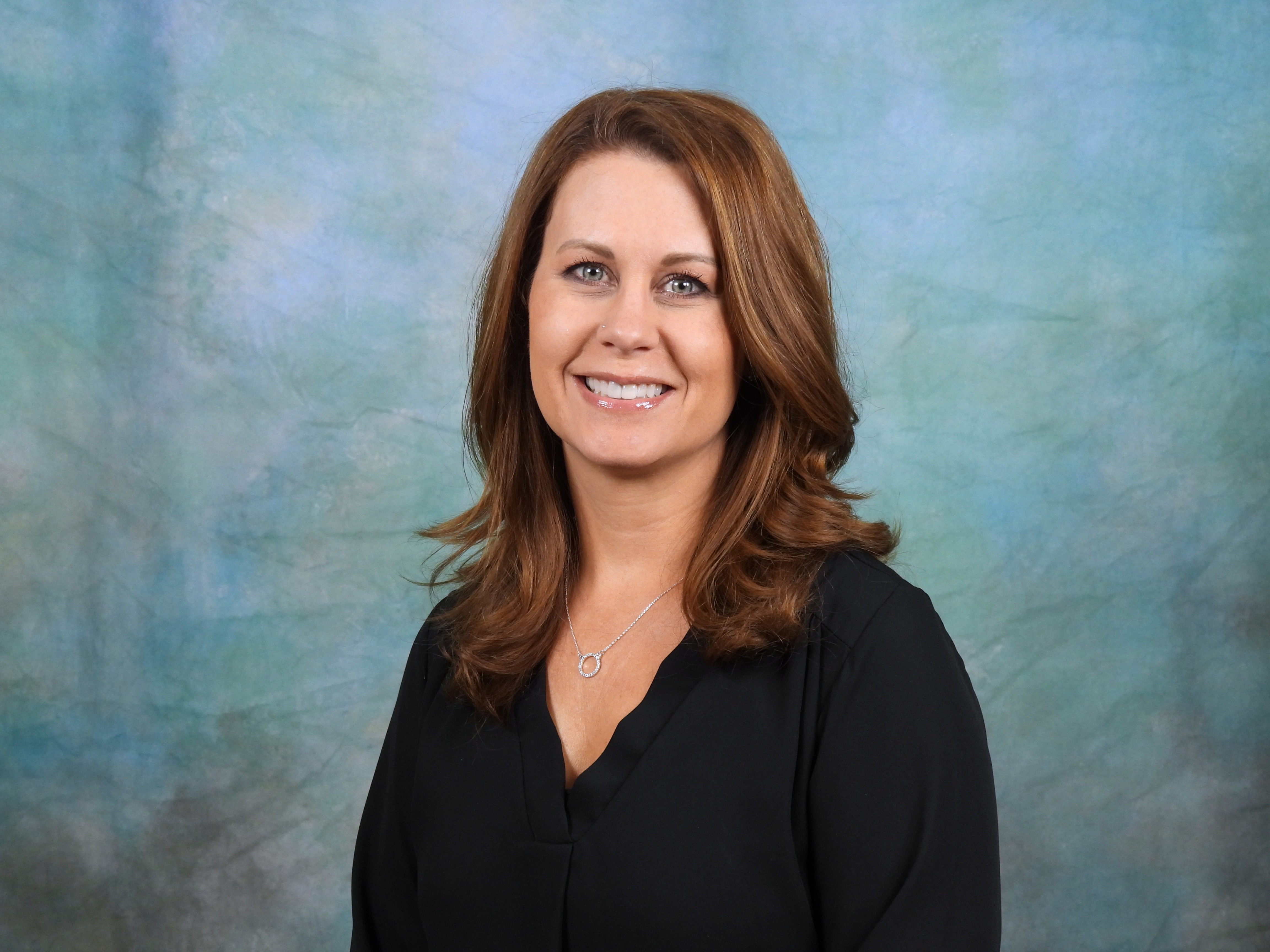
Instructional Designer
I've always had a love for learning and language! From the moment I first recall hearing someone speak a different language from my own, I was entranced. I pursued an undergrad degree in Spanish and took every opportunity to travel abroad. Naturally, this led me to a 13-year career as a secondary Spanish instructor, and I earned an MEd in Curriculum and Instruction. I moved into curriculum design in higher education, crafting my skills in working with SMEs to create meaningful and engaging courses. I sought more opportunities to learn and grow in my current role as an instructional designer at ADP, where I'm afforded the opportunity to utilize several e-learning platforms to create intentional training for associates!