Apple Podcasts
 Spotify
 Youtube Music
 Amazon Music
 iHeartRadio
 Podcast Addict
 PocketCasts
  Podchaser
  Deezer
  PlayerFM
  Castro
  Castbox
  Goodpods
 Lead Without a Title With Darrell Williams


Key Takeaways
- True leadership relies on influence and relationships rather than formal authority or rank, especially in remote or collaborative environments.
- Instructional designers and educators can build immediate credibility by asking colleagues about their biggest current headaches and helping solve those specific pain points.
- Darrell Williams's 'three R's' framework—re-looking at passion, reconnecting with a mentor, and reviewing options for a coach—helps professionals reconnect with their core purpose.
- Remaining calm during high-pressure crises empowers teams to think critically, improvise, and collaboratively own solutions instead of panicking.
- Growth often requires getting comfortable with being uncomfortable, as true leadership skills and dormant talents emerge when we are pushed out of our comfort zones.
The fastest way to become a trusted leader isn’t getting promoted. It’s becoming the person people run to when something hurts, and you can help fix it.
Jackie sat down with Darrell Williams, a master certified life coach and longtime military and federal leader, to translate high-pressure leadership into everyday skills for educators and instructional designers. We dig into why rank never guarantees someone’s best work, how culture and connection matter even more on remote teams, and what it looks like to lead through influence when you don’t have formal authority. Darrell shares practical language you can use right away, like asking colleagues what their biggest “headache” is and shifting from “boss energy” to a consultant approach that makes you a strategic partner.
We also go deeper than tactics. If you feel stuck, stretched thin, or unsure about your next step, Darrell offers his “three R’s” framework to reconnect with purpose: re-look at your passion, reconnect with a mentor, and review options for a coach. Then we bring it back to performance under pressure with a story from presidential support missions, showing how calm leadership helps teams think, improvise, and own solutions. Plus, a memorable reframe for nerves: the butterflies may not leave, so learn to walk with them in formation.
If you found value here, subscribe to Designing with Love, share this with a colleague, and leave a heartfelt review so more instructional designers and educators can find these leadership tools.
🔗 Website and Social Links:
Please visit Darrell Williams’ website and social media links below.
📢 Call-to-Action: Collaborating toward success can help unlock the excellence from within. Alliance Seminars Coaching performs C.P.R. on lives by providing clarity, understanding, purpose, and building resilience. Most of life’s challenges can be solved with effective leadership and efficient mentorship.
Join PodMatch!
Use the link to join PodMatch, a place for hosts and guests to connect.
Disclaimer: This post contains affiliate links. If you make a purchase, I may receive a commission at no extra cost to you.
💟 Designing with Love + allows you to support the show by keeping the mic on and the ideas flowing. Click on the link above to provide your support.
☕ Buy Me a Coffee is another way you can support the show, either as a one-time gift or through a monthly subscription.
🗣️ Want to be a guest on Designing with Love? Send Jackie Pelegrin a message on PodMatch, here: Be a guest on the show
🌐 Check out the show's website here: Designing with Love
📱 Send a text to the show by clicking the Send Jackie a Text link above.
👍🏼 Please make sure to like and share this episode with others. Here's to great learning!
Frequently Asked Questions
Who is Darrell Williams?
Darrell Williams is a master certified life coach, inspirational speaker, certified facilitator, and retired military and federal leader with 30 years of federal service, including induction into the White House Communications Agency Hall of Fame.
How can you lead without a title in education and instructional design?
You can lead without formal authority by adopting a consultant approach, building relationships, asking powerful open-ended questions, and focusing on solving your colleagues' daily pain points.
What is the three R's framework for purpose?
The three R's framework consists of re-looking at your passion to find your purpose, reconnecting with a mentor to get back to your true north, and reviewing options for a coach to unlock answers already inside you.
How do you handle nerves and performance anxiety under pressure?
Instead of trying to eliminate butterflies completely, acknowledge that nervous energy is natural and learn to walk with them in formation for the duration of the task.
00:00 - Welcome & Guest Introduction
00:52 - From Compton To Mentorship
04:49 - Rank Does Not Earn Best Work
07:56 - Leading Through Influence At Work
11:55 - The Three Rs Of Purpose
15:40 - Networking Lessons For Career Transitions
18:29 - Calm Problem Solving Under Pressure
24:00 - A New Way To Handle Nerves
25:45 - Get Comfortable Being Uncomfortable
30:32 - How To Connect & Support
Welcome & Guest Introduction
Jackie Pelegrin
Hello, and welcome to the Designing with Love podcast. I am your host, Jackie Pelegrin, where my goal is to bring you information, tips, and tricks as an instructional designer. Hello, instructional designers and educators. Welcome to episode 138 of the Designing with Love podcast. I'm thrilled to have Darrell Williams with me today. Darrell is a master certified life coach, inspirational speaker, and certified facilitator who helps people grow in leadership, relationships, and purpose. What's wonderful is he brings 30 years of federal service, a distinguished 20-year military career, and was inducted into the White House Communications Agency Hall of Fame. I'm looking forward to hearing about that a little bit more. Welcome to the show, Gerald.
Speaker 1
Jackie, thank you so much for having me.
From Compton To Mentorship
Jackie Pelegrin
Wonderful. Well, to start, can you tell us a little bit more about yourself, other than what I mentioned in the introduction, or maybe you want to expand upon it, um, about your journey and what led you from military and federal leadership into coaching and facilitation?
Speaker 1
Sure. So my journey, as we talked before the show, really started growing up in Compton, California. Those that have seen the movie Boys in the Hood, that was the era that I actually grew up in. And my sister and brothers grew up during the era of straight out of Compton. So for me, being the oldest, I wanted to make sure whatever decisions I made were positive ones that affected them as well. And so for me, that led to joining the military. Joined the military right out of high school. The MOS or military occupational skill that I selected was human resources. I had a great typing teacher that taught me more than just typing at that time, but really about life. You know, where did I want to go and type of things I wanted to do and how could I get there? And uh she was really that first you know leader outside of family that helped me kind of really look at things from afar and not just that first immediate need. And once I joined the military, um, everything just took off. I saw these people with stripes that were definitely bigger than what I had. So I would find myself going to those individuals and asking them to be a mentor, or I would just ask them questions that allowed them to become unofficial mentors. And from there, every place that I was assigned, I would always find either the sharpest person or the person that was considered the leader, and I would make sure that I would connect with that person. I found early in my military journey the more mentorship you have, the farther you can go. It was just a true thing that I took even after my uh time in the military. I would still find leaders within the federal government that people looked up to, uh, mentors to make sure that I would always put myself in a place where there was somebody else that was helping me guide my career versus trying to depend on doing things on my own. And then once I retired out of the military and worked with the government for a while, and started realizing there's a lot of things, Jackie, that the Department of Defense does for their leaders that other organizations may not do. So I thought that why should the Department of Defense monopolize all these leadership skills? Like maybe they need to be shared with other organizations, other agencies. So I just decided to kind of package up those things that I thought would be helpful, those things that are transferable to other organizations. And kind of my niche was just how can I meet the need of this organization, this school, this college, and I would just bring that to whatever the platform was, whether it was speaking, facilitating, uh, or even coaching.
Jackie Pelegrin
Wow. That's amazing. So you really you really got to take what you learned in your military career and bring that to the civilian world and see how you could make a difference in different organizations and schools and communities. I love that. That's great because it's true. The military really does teach so much. And why why monopolize that? I agree. Why not share that exactly? Because there's so many great skills that teach us. And yeah, so it sounds like you were able to take that once you once you graduate, or once you were able to retire from from military service and really utilize that. So that's that's great. That's that's a sign of a wonderful leader, right? That you're able to yeah, bring that about. So that's great. So yeah.
Rank Does Not Earn Best Work
Speaker 1
Yeah, one quick thing on that. It was so forth um interesting in the beginning when I would go to organizations and after I would kind of give my first pitch or share my first travel White House event or something like that, people would say, Well, I'm not sure what you're telling us is gonna work because in the military they have to listen to you. So that doesn't work in the private industry. And what I shared with them, Jackie, was yes, because of the rank structure, people have to listen to you. However, that does not guarantee they're gonna give you their best. And I guess that and that's why leadership is important because you want people in any organization to give you their best, and you want to bring out the best from that individual, and that has nothing to do with rank.
Jackie Pelegrin
Oh, that's so true. If a culture, yeah, if there's not a good sense of culture, I actually just took a survey from my department, and we talked about it in our um in our leadership meeting today, this morning, and it was really neat, thrill, because it was like um, I forget the title of it. It was like uh what's working and and what's not, right? Kind of thing. They made it a catchy title and not just employed engagement survey or something like that. So they made it catchy and it was really good because it gave us a chance, it gives us a chance once a year to really assess what's our culture look like? You know, what kind of things are we doing to keep to stay connected to each other? Because we uh we work from home, we're we're remote workers, so being able to have that connection that we don't normally get when we're in the office is really really great to have. So yeah, so it's it's important, right, to have that sense of community and and culture as well, um, even in the military, right?
Speaker 1
Especially in the military.
Jackie Pelegrin
Yes. Because uh yeah, they they have to do a lot of things that some of us would never imagine doing. So being able to keep them motivated, right, is so important, right? And have that sense of community and culture. Yeah, that they can they can rely on each other, right? Yeah, absolutely. Yes. So many of my listeners are educators and instructional designers like myself who often lead through influence rather than formal authority, like I was just mentioning with myself. I don't have that title, but I lead in so many different ways. What are some practical ways and that uh they can grow strong, trusted leaders in in those kind of roles?
Speaker 1
No, that's a very good question. Because a lot of people I talk to, they're quick to say, Well, I'm not in charge of anyone, or it's just me. And like I always share with them, everyone is a leader. Um, because the first person that you're leading is yourself. Once you can lead yourself, then you learn to lead others. And for individuals that may not believe that they can do those types of things or don't have that experience, uh, one thing I always share with them is to use a coaching leadership style. Um because really influence is built through relationships and expertise, uh, and definitely not a
Leading Through Influence At Work
Speaker 1
title. So some of the practical ways that I share with uh people, uh, one is focus on solving uh the problems. Don't worry about your being in charge or not being in charge. Uh instructional designers and educators often succeed uh kind of when they're acting as a bridge builder. I've seen that in our trained academies. But instead of pushing a new tool or theory, I would challenge them to ask their colleagues, right, what is your biggest headache right now? Um, because by fixing a small headache, um, kind of really builds that immediate credibility because you're addressing a pain point. And when every time you gain credibility, um, and it leads to larger initiatives later.
Jackie Pelegrin
Mm-hmm that's wonderful. I love that.
Speaker 1
And I've had some people I spoke to, I would talk to them about kind of looking at using like a consultant approach, right? So instead of giving orders or telling somebody what they should do, um, they can ask powerful open-ended questions such as, how might this change impact your students? Or what does success look like uh for you um here in this situation? Uh, because the main thing you'll find out that when you do that and take that approach, it kind of shifts the dynamics from being a boss uh to being a strategic partner. That's what everybody wants, regardless of where you work is a strategic partner, somebody that's in this with me instead of just telling me what to do from afar.
Jackie Pelegrin
That's great. I love that combination of being able to do that. And really, as you mentioned, Daryl, what really stood out to me is the pain points, looking at those pain points and what's your what's your biggest headache, right? What can we help solve? And I think that's so important, right? I love that. And then acting as a consultant instead of trying to give orders, yeah, that's so so huge. Because you come alongside them and you meet them where they are, and you're able to help them grow and ultimately you grow, right, as an individual as well through that process. That's great. Um so many of your speaking engagements, you talk about um coaching around leadership, relationships, and purpose, which I think is so key. Um, and with GCU being a Christian university, that really speaks to a lot of my listeners and myself too. So when someone feels stuck, stretched thin, or maybe unsure of what their next step should be, how can they begin reconnecting with their purpose in a meaningful way?
Speaker 1
That is a great question, and I tell you, I hear a lot of that um throughout the different organizations that I um speak at. And it's just a common thing, it happens to the best of us. Uh, I want your listeners to know that there's nothing wrong with them uh feeling that way or going through that type of transition because it is a part of life, right? So never look at yourself as, oh my gosh, what's wrong with me, or I've never felt this way before. We all grow through something like this. Uh one thing I would share with your listeners is kind of look at an approach, I call it the three R's, right? It's always good to remember things in threes. Um, the first one is kind of re-look at their passion.
The Three Rs Of Purpose
Speaker 1
Because normally our passion will lead us back to our purpose. Right? All of us get off track. But when we go back to okay, why did I even get into structural design? Why did I become an educator? And once you start pulling those layers and you decide, well, these are things that took me away from what I really wanted to do, then you go and find a way to get back uh to that first true love. Uh the second R I would say is reconnect with the mentor. I said earlier you can get to places a lot faster, a lot quicker uh when you're working with someone that's been there, done that. Right? So reconnecting with that mentor helps us uh really get back to our true north. Because when we get back on our true north, that's when we normally get back on track. Because a lot of times we get in our own way, we don't see those blind spots. But our mentor does such a good job of saying, Jackie, why did you do that? Or why'd you take that particular role? Or why didn't you do that? Or why didn't you take that role? And by them asking us those types of questions, we kind of peel back the layers and see, wow, maybe I didn't do that because of this or because of that. So a mentor can be really critical uh part of that second R to get back uh to our purpose. And then the third R is just reviewing options uh to find a coach. A lot of people nowadays, especially that are successful, uh, they have a coach, right? Somebody that's different from a mentor, where a mentor kind of tells you what to do or what they would do, while a coach kind of brings those things out of you because it's already inside of you. So they can help you find those answers, and then you become the owner of the strategy to get back on track.
Jackie Pelegrin
That's great. I love that with the three R's. I agree. It's it's easy to remember things in threes. I love that. You know, and one thing, Jerl, I offer to my students is I always give them that opportunity to stay connected with me beyond the class because it's so important because so many times students will think, oh, I'm just gonna go class to class, instructor to instructor, right? And um, and but they don't form those meaningful connections. And I think it's so important with their fellow students and with their instructors, as long as the instructor's willing to do it, right? Um, I think it's really great to take advantage of that. So it's really great. I even offer like weekly Zoom meetings with my students if they want it, and some of them don't come. And I just think to myself, gosh, if I had that opportunity when I was in my master's going to school online, I would have, I would have taken advantage of it as often as possible. So yeah, so it's it's like look at those little gems, right, of opportunity and see where you can really tap into those because, like you said, it it really helps you to uh to be able to excel faster and to be able to go go to that higher level, right? And then you can turn around and pay it, pay it forward to someone else as well.
Speaker 1
No, and you bring up a good point, Jackie, because I do a lot of military transition coaching. And when I talk to those veterans, and we start looking at, you know, building their network, reconnecting with the network. Okay, what do you want to do outside of military? And then once they kind of figure out what that is, then I start going back to let's not even worry about jobs. Who can you talk to? Right? And they'll list maybe a former supervisor or they'll mention this person and that, and I say, Well, tell me a resume, you have a degree. It's like, oh yeah, I went to Grand Canyon University. I'm like, who in Grand Canyon University can you speak to? And it's like peeling back the layers until they finally realize, oh, you know,
Networking Lessons For Career Transitions
Speaker 1
I did have a professor who offered to stay in contact, and we actually connected on LinkedIn, but I've never exhausted that uh relationship. Like, why not? Like they are there, they're professionals, they offered it to you, and some of them they look at the degree. Well, that was just um ends to a means. I'm like, no, no, no, no. Getting your degree is part of the journey of building the relationships for a lifetime. And if a professor wants you to stay connected, you owe it to yourself uh to keep that relationship growing.
Jackie Pelegrin
Right. Doesn't happen every time. So yes, I would say, yeah, from it for those that are listening that are in the military or getting ready to transition out. Yes, yeah, definitely. You're you're uh giving them wise counsel because uh yeah, go back to those contacts and those professors and just say, Do you remember me when I was in this class? Yeah, keep keep records of them, you know, and and you know, because I have some students that will say, Do you remember when I had when you were my instructor in this class and this class? And I'm like, Yes, I do remember that, but you have to recall their memory because they're not always going to remember. I've taught, you know, 60 something classes, so it's gonna be hard to remember that many students. So yeah, so it's good to be able to recall their memory on that. So um, so I would, yeah, it's always good to keep records of things and just kind of know, you know, what you did where and and all of that, because it really helps to go back to that at some point as well. Yeah, that's great. I love that. Yeah, and I love how you how you are connecting with those that um and giving them coaching, you know, when they're coming out of a military career, because that can be challenging, right? To to come out of that military career and then go into civilian career and make that transition. So that's great that you're helping them to make that a little bit easier. So it's not as much of a bumpy ride for them. Yes, yeah, that's great. So I wanted to do a quick bonus question, and we can spend some time on this one. This one's really great too, because I love these bonus questions. Um, given your experience leading in high-pressure environments like in the military, right, and in government, what is one leadership lesson you learned under pressure that still shapes how you coach others today?
Speaker 1
Hmm, very good question.
Jackie Pelegrin
Yes.
Speaker 1
So I'm looking at this one earlier, uh, I would say, I kind of narrow it down, that one leadership lesson that I learned, wow, especially under pressure, that shapes how I coach others and helping them. Uh I would definitely say it's the fact of them realizing that
Calm Problem Solving Under Pressure
Speaker 1
uh everything that they need, uh they already have it inside of them. Uh they just need to match that skill with the current situation. I was on so many trips, uh, especially supporting a president or vice president, where this didn't work well, or this equipment went bad, or this situation changed on us in a minute, or this phone line got cut accidentally at the airport before the plane showed up. And I always reminded everybody when I get enough more equipment, when I get more bodies, and we're not gonna get more time, right? Everything we have to figure this out is right in the circle. So let's start thinking outside of the box. Right? And I challenge those individuals, you know, what what are you really good at? And then somebody may say, you know, I I love reading. I'm like, okay, so where did you read about if a phone line got snapped or cut? Like, what are some other options? Like, and instead of being pressured um toward people, Jackie, like, hurry up, figure this out. We only got 30 minutes, right? All that does is make people feel even more uncomfortable, they're unsettled, they can't think. Um, but when you remain calm and they're like, Daryl, the phone line just got cut. Like, oh, that's unfortunate. Okay, so now that it's cut, what are our options? And what I found, it's almost like when you have children, Jackie, the first time they fall down, they look at you, and if you're hysterical, they're gonna get hysterical. But if you're calm, then they're gonna stay calm. And that was the leadership style that I used a lot when something crazy happened, like a phone line getting cut accidentally before the plane arrived. It's like, okay, it's cut, right? We still have about 30 minutes. Whatever, what are our options? And what I found is when you do that with people, instead of making them nervous, you're basically empowering them to, hey, let's figure this out together. I don't know the answer, you don't know the answer, but I'm almost positive together we can come up with some option that's gonna at least get us to a plan B. And every time, I can tell you, Jackie, they never let me down. They always came through and said, Well, you know, we could try this or we could do that. And then once they come up with that answer, I would say, Okay, what's your part in this solution? And then what do you need me to do to help you be successful? And they'll say something like, Well, we probably need to call the next trip site or the next uh location where he's gonna go after he leaves the airport. And I'll say, Okay, I'll make that call, but you take care of the other part. And we always figured it out together. And I would always remind them, like, hey, that was a crazy situation that we went through, right? Let's make sure we pass that on when we do our trip report. Like, if this happens, here's some options you can do to fix it. But Jackie, I would always remind those individuals when the trip was over. It's like, hey, you help be a part of that solution. It wasn't me as a trip lead or the trip officer, right? It was all of us working together as a team. So I may not be with you on your next trip, but if something happens that's crazy, you can still use those same techniques that we use, and that's how we get better as an organization. That's how our culture grows, and we all become troubleshooters instead of Darrell keeping all the answers to himself. Like that doesn't do anything for the organization. I want to duplicate that process and then let everybody know you don't have to be Daryl to do that.
Jackie Pelegrin
Right. I love that. That's a great story, too, that you shared. Uh yeah, it's I think you know, it's great because people learn through storytelling and and examples. So being able to imagine that and oh my goodness. Yeah, I can imagine being in the air and all of a sudden that happens and people want to panic right away, right? It's but keeping your nervous system regulated, I think, is so important. You probably learned that, I'm sure you learned that in the military, the importance of keeping yourself calm and giving yourself those deep breaths. And and so you were able to help people come back to that center and say, okay, let's just stay calm. What's the next best thing? Because it's true when when you're under pressure and you're you can't think you can't think as straight as you would, you know, if you're calm and regulated and able to think through those ideas and solutions better. Yeah.
Speaker 1
Yeah. And then sometimes um leaders make the mistake when they're talking to people and they'll say, Well, everybody's gonna get butterflies, you just need to get rid of them. The reality in my life that I've learned is butterflies don't go away. It's just a part of that nervous system that causes a reaction. So instead, what I tell people, Jackie, is hey, the butterflies aren't going anywhere. So how about just for that next hour or that next 45 minutes that you have to do, what it is you need to do? Just work out a compromise with the butterflies and ask them, hey guys, just for this next 45 minutes, can we just walk in the same direction? Can we just stay in formation? And then after those 45 minutes, you can go
A New Way To Handle Nerves
Speaker 1
to whatever direction you want to go in. But for this time, let's walk together, let's go in the same formation.
Jackie Pelegrin
I love that. Wow, I'll have to try that now. Because yeah, you do no matter how many times you speak, right? You still get the little butterflies in your stomach, that little nervousness, like, oh, can I do this? And can I do it in front of 80 people? Right. So yeah, exactly. So I I find that the the breaths, uh, the breathing techniques really helps, you know. Uh is it four breaths in and then hold for two and out six, I think is what it is. And they teach it in the military too. So yeah, yeah. Because you have to be able to be able to keep yourself regulated under those high pressure situations, right? So that's important. Absolutely. Yes, I love that. So, Gerald, as we close, what's one final piece of encouragement or advice you would leave with educators and instructional designers like myself who want to lead with greater purpose, confidence, and impact in their lives?
Speaker 1
Very good question. And again, this can go across industries. Um, people that have come back and talked to me about things that they've overcome and they actually testify that this does work. It's not easy, but I'm telling you it works. And that is get comfortable, being uncomfortable. Again, get comfortable, being uncomfortable. Um, most leadership growth happens um when we are challenged or pushed out of our comfort zone. If you even look back over the years and look at all the areas where you really grew and those moments that you grew, I'm almost sure 90% of those
Get Comfortable Being Uncomfortable
Speaker 1
times were situations where you did not want to be involved, you did not want to be a part of it, you didn't ask for it, it was thrown upon you. But guess what? Being uncomfortable, you figured it out. I don't care how long it took you, I don't care how many people you had to go talk to, um, you found a way to get through that uncomfortableness. And what's good about that process is it forces you to utilize gifts and talents um that are inside of you, but a lot of time they're just dormant, right, until they are truly needed. And most of the time those skills come up during high pressure situations. Um a lot of people look back over to the military and say, No, why did they call them in for this natural disaster? Or why did they call them in to do this? Are they really trained to do that? Sometimes they're not, but they trust their training, right? They trust their team and they trust the fact that we're here to take care of others. So as long as that's our true north, it's gotta be a better way of doing it, so we're gonna figure that out because you know we're serving others instead of ourselves. And so a lot of times in the military, again, we get very comfortable being uncomfortable. Uh a lot of people say, Oh, that's easy for you, you're in the military. I don't care. Every time I have to speak, I still get uncomfortable. It's not an easy thing to do. But when you realize, hey, what I have to say is gonna help this audience, then again, I take the reflection off of me and put it back on someone else.
Jackie Pelegrin
Hmm, that's great. I love that. Yeah, get comfortable with being uncomfortable. I love that. Yeah, because so many of us today, and I I think I used to think it this way too, Darrell, is that I thought, I don't want to get myself into a weird situation or uncomfortable situation. But it's true. You if you're just comfortable all the time, that's not where you learn and grow, stretch and stretch yourself, right? So I think you learn through those hard situations or those uncomfortable situations where you're like, hmm, this was not the best feeling to have, but uh but it passes, right? It's not something that is there forever. It's you you get over that and get past that. So, and then you can look back on it and learn from it at the very end of that, right?
Speaker 1
So absolutely no, and you think about it, those are the best stories that we tell. Because I don't care what conference you go to, what um alumni gathering you go to, one of the first things you say is, remember that time when we had to come up with that new curriculum and they didn't give us a lot of time. How in the world did we do that? Like those are the stories that come up immediately.
Jackie Pelegrin
Right, exactly. I love that. Yes, I you know, and even earlier this summer, I was really busy working on a bunch of curriculum and some programs, and we went all the way through, worked on the program, and then the college was like, nope, we got to put this on hold for a little bit because it was a new type of program that we hadn't worked on before. And the Department of Education, we knew it was going to take time for them to approve it. So we had to halt it, put it on hold. And uh at first I was like, that's a setback. Oh no. But then I thought, no, it'll it'll work out in good time. And what's funny is that I just heard from the assistant dean earlier today in a meeting, and she's like, guess what? Since we don't have to have approval for department through department of education anymore, we can now get that program through. I'm like, great. So all that work that we did now it's you know, it's come to fruition. So you just never know. Sometimes you can be in a really tough spot where you're like, oh, did that is that work gonna really mean anything? But yeah, it ended up, you know, helping us. Now we don't have to go and do that program and we can just put it right through. So it's great.
Speaker 1
That's all.
Jackie Pelegrin
Yeah, that's neat when you when you have those situations and you're like, okay, the work wasn't all in vain. It was well worth it. For sure. Definitely. Great. Well, thank you so much, uh, Jarell, for your time and for coming into the podcast today and sharing your uh thoughtful and encouraging insight with my listeners. I know they'll take away a lot from your perspective on leadership purpose and personal growth. For anyone that wants to keep learning from you and and keep in touch with you, what's the best way to follow you or connect?
Speaker 1
Sure. Um, they can uh look me up through Alliance Seminars Coaching. Um though they're still on Facebook, right? You can find me there. Um, but obviously most people are on Instagram, so you can find me there as well. And then our website is alliance seminarscoaching.org. Um again, just trying to make myself a resource for
How To Connect & Support
Speaker 1
others. Uh, I just feel like you know, it'd be a shame to have all these different ideas and experience and not share with others. So everybody that knows me, know me as a connector, someone that tries to put you in the room with the right people that can at least help you or guide you.
Jackie Pelegrin
I love that. That's great. Networking is so important today. Yeah, so that's that's wonderful. And I when I checked out your website, I was like, wow, this is great. I love it because you you really do help people connect. And and like you said earlier, no matter what industry it's in, they can they can have that connection. And it doesn't have to just be uh a certain certain discipline or certain area, but it can be all all across the board. So that's great. I love that. Great. Well, thank you, Daryl, uh, Darrell. I look forward to having you back on the show anytime. And I know we'll stay connected. We're on LinkedIn together, uh, connected that way. So I look forward to keeping the connection going and um and and having you back on the show anytime. If there's anything that you wanted to touch more on with leadership and coaching, uh feel free to come back on. You're welcome anytime.
Speaker 1
No, thank you. And feel free to reach out to me if you come across any type of topics or trends that you feel that I can be assistance to instructional designers or those educational leaders. Um, please don't hesitate to contact me.
Jackie Pelegrin
Great. Thank you, Geral. I appreciate it. Or appreciate your time. Thank you. Thank you for taking some time to listen to this podcast episode today. Your support means the world to me. If you'd like to help keep the podcast going, you can share it with a friend or colleague, leave a heartfelt review, or offer a monetary contribution. Every act of support, big or small, makes a difference, and I'm truly thankful for you.
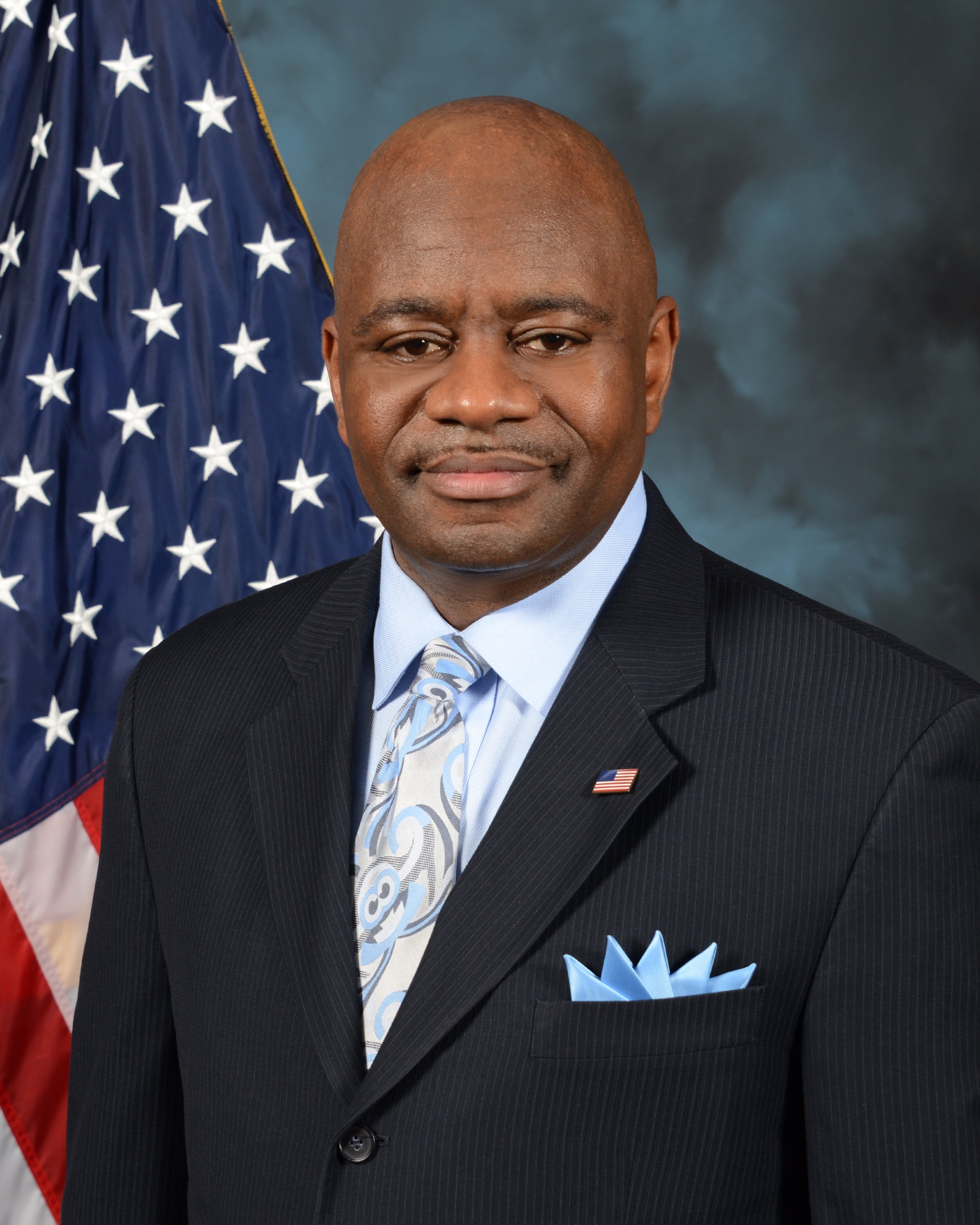
Master Certified Life Coach and Certified Facilitator
Darrell brings extensive experience as a master certified life coach and a member of the Federal Coaching Network. He is an inspirational speaker and certified facilitator who provides clients with expertise in the realm of leadership, relationships, and purpose. His leadership background includes 30 years of federal service highlighted by his induction into the White House Communications Agency Hall of Fame. His leadership coaching is based on a stellar 20-year military career, where he traveled as an Operations and Vice Presidential Communications Officer, leading over 500 White House missions. Following the tragedies of September 11, 2001, Darrell was selected as 1 of 5 key leaders, from 30 senior managers, to direct emergency action communications for the Vice President of the United States, to include duties as an Air Force Two Command Representative.