How to Create a Workflow That Prevents Rework in Instructional Design: 4 Steps to Success
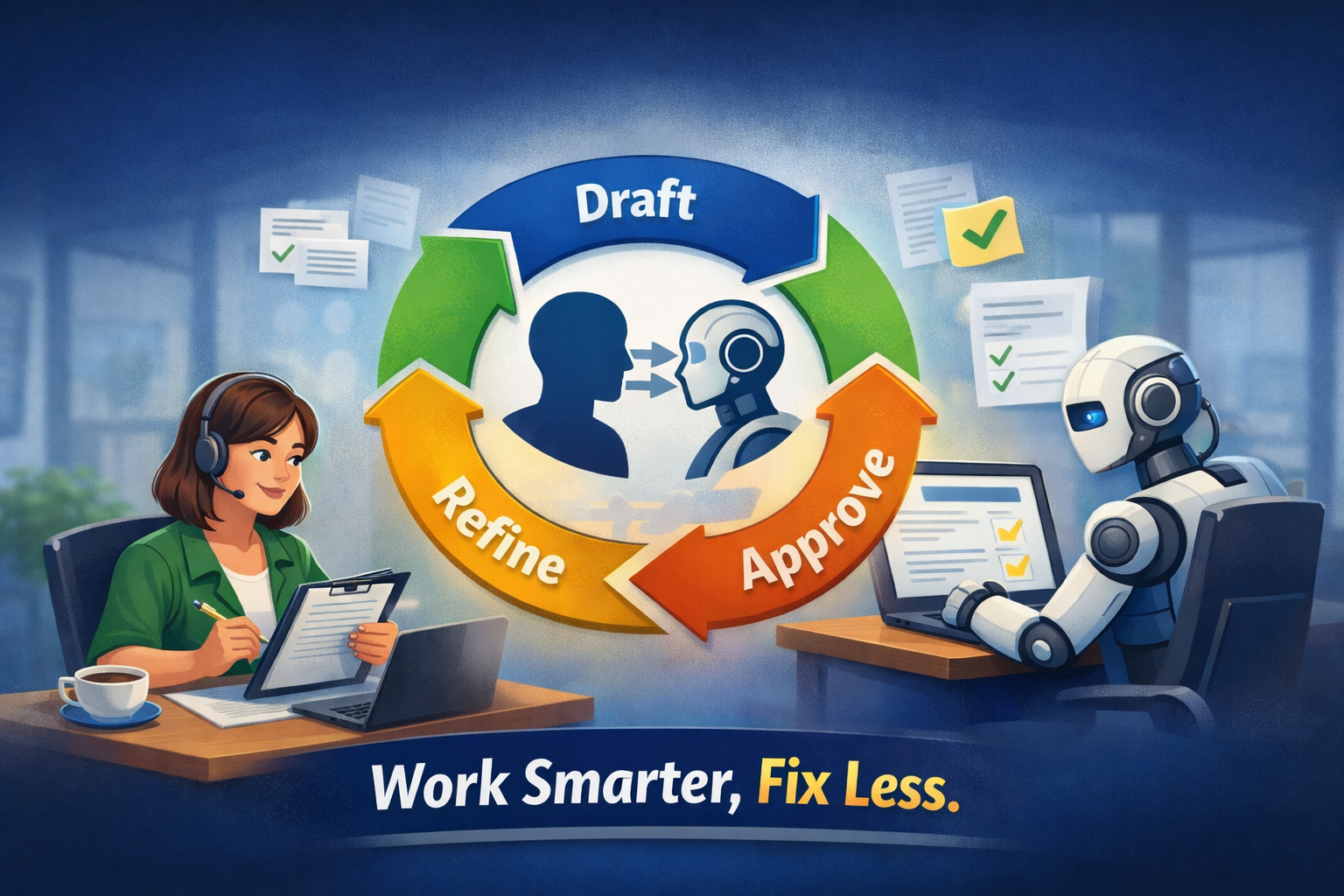
In the fast-paced world of instructional design, the pressure to produce quality content quickly can lead to significant rework if not managed properly. In this post, we’ll explore a streamlined workflow that prevents rework while maintaining quality. You’ll learn about the draft, verify, refine, and approve process, a strategy that not only saves time but also enhances the quality of your training materials.
The Shift in Instructional Design Workflows
Creating content has never been easier, thanks to AI technology. However, the challenge lies not in drafting but in ensuring the content is accurate and trustworthy. The new bottleneck in the instructional design process is producing reliable content, and this is where a structured workflow becomes essential.
AI can help expedite the drafting phase, but it’s crucial to implement a robust review system to prevent the dreaded rework cycle that drains time and resources. Let’s dive into the four-step process that every instructional designer should adopt.
Step 1: Draft: The Initial Pass
- Why This Matters: The drafting phase is where ideas come to life. Using AI can help you create a usable first draft quickly, but it's essential to remember that drafts are allowed to be imperfect; they just shouldn’t be unclear.
- How to Do It: Use AI tools to outline, script, storyboard, and create quiz items. The focus here is on getting your ideas down without worrying too much about perfection.
- Common Mistake: Many designers rush through this phase, thinking they need to produce a polished piece right away. Remember, clarity is key, not perfection.
Step 2: Verify: Fact-checking and Alignment
- Why This Matters: Verification is crucial to ensure the content is accurate and aligns with policies and learner needs. This step prevents errors that could lead to significant rework later on.
- How to Do It: Conduct a thorough review to check for accuracy, alignment with policy, and relevance to the learner’s context. Ensure that the content fits the job reality and meets accessibility standards.
- Common Mistake: Skipping this step can lead to inaccuracies that may require a complete rewrite, wasting resources and time.
Step 3: Refine: Strengthening Your Content
- Why This Matters: Refinement is where you polish your draft into a clear and engaging piece. This step is essential for enhancing the learning experience.
- How to Do It: Tighten the language, improve feedback mechanisms, adjust the tone to match your audience, and remove unnecessary fluff. The goal is to refine for learning, not just for length.
- Common Mistake: Over-refining can lead to loss of essential details; ensure you’re enhancing the content rather than stripping it of its value.
Step 4: Approve: Finalizing the Content
- Why This Matters: The approval process is critical to ensure that all stakeholders agree on the content before it goes live. A clear definition of what needs approval can save confusion later on.
- How to Do It: Establish a simple definition of done that includes what is being approved, who approves it, and the deadline for approval. Remember, approval should be a decision-making process, not a brainstorming session.
- Common Mistake: Waiting too long to get approvals can lead to rushed decisions and miscommunications.
Real-World Application of the DVRA Workflow
A practical example of this workflow in action involved a team that used AI to draft a learner guide and quiz questions quickly. They initially skipped verification, leading to multiple inaccuracies flagged by the subject matter expert (SME) and resulting in a complete rewrite. By applying the DVRA process in their next project, they had the SME verify only flagged sections, allowing for a much more efficient workflow.
Key Takeaways
- Implementing a structured workflow helps prevent rework and enhances content quality.
- Each step in the process should focus on clarity, accuracy, and alignment with learner needs.
- A clear definition of what constitutes “done” for approvals can greatly reduce confusion and speed up the process.
Conclusion
Incorporating a workflow like Draft, Verify, Refine, and Approve can significantly reduce the rework cycle in instructional design. This process ensures that your content is not only produced efficiently but also meets the high standards expected by learners and stakeholders. Embrace this structured approach to transform your content creation process, making it more reliable and effective.
🔗 Episode Links
Please check out the resource mentioned in the episode. Enjoy!
🖼️ Image Disclosure: This featured image was generated with AI using ChatGPT and reviewed by the author.

Award-Winning Instructional Designer, College Professor, Consultant, and Podcast Host
Jackie, an Arizona native, leverages decades of experience as an award-winning instructional designer within both higher education and the corporate world. She holds an MBA and a Master of Science in Instructional Design and Technology, both acquired through online learning. In addition to her full-time role, Jackie serves as an award-winning adjunct instructor, teaching online courses at Grand Canyon University. During her leisure time, she delights in reading books across a range of genres, enjoying movies and TV shows, playing games, listening to uplifting music, and spending quality time with her family and friends.

The Myth of Class Size and Learning Quality: What You Need to Know