Building Engaging Learning Environments: The Power of Virtual Playgrounds
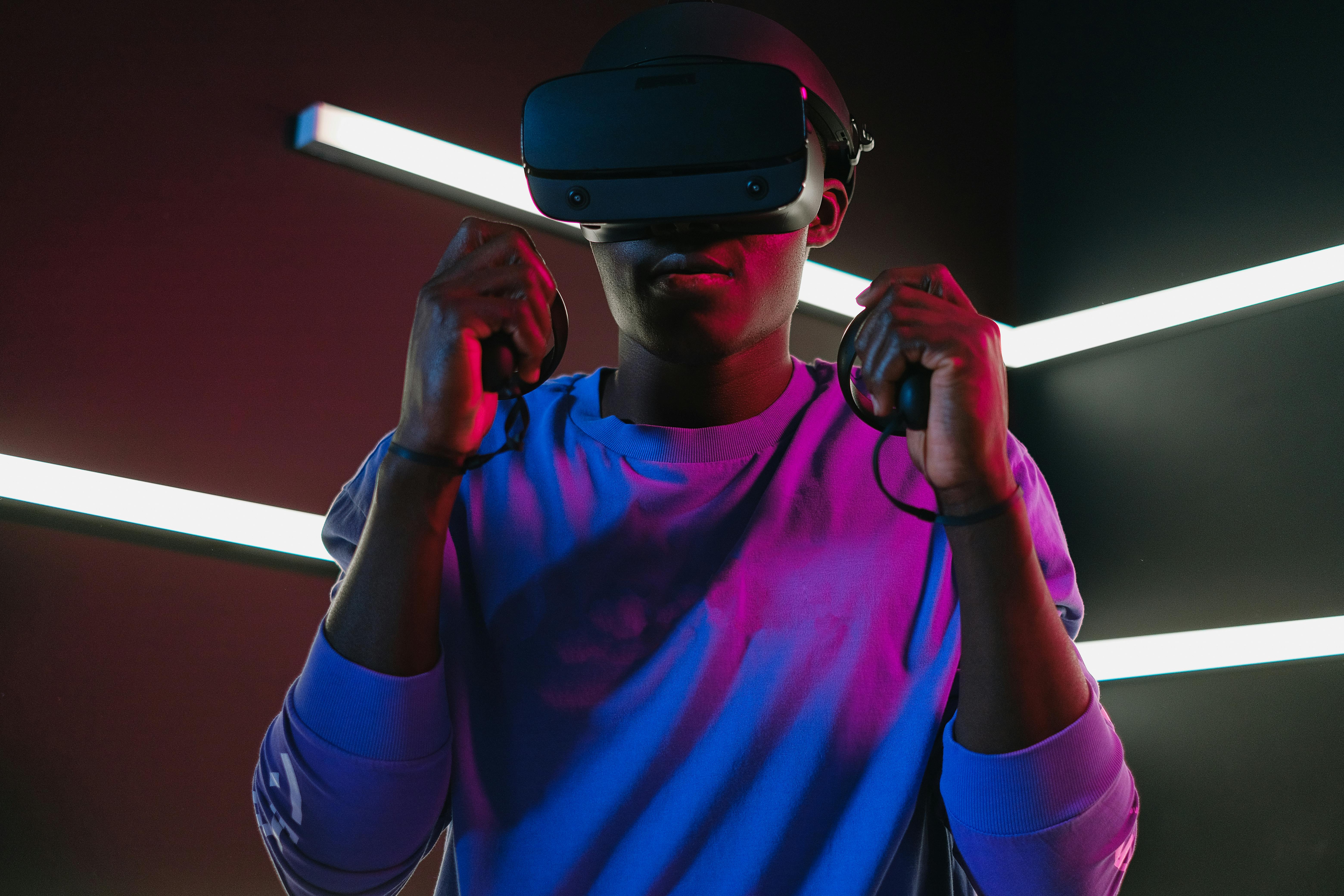
In the rapidly evolving landscape of instructional design, creating engaging and effective learning experiences is more crucial than ever. In episode 97 of the Designing with Love podcast, host Jackie Pelegrin dives deep into the concept of virtual playgrounds, emphasizing how to develop cohesive game worlds that enhance learning through progression maps, feedback loops, and resource management. This blog post summarizes the valuable insights shared in the episode and offers practical steps to implement these concepts in your own educational projects.
Understanding the Virtual Playground Concept
Jackie begins by clarifying that a true Virtual Playground is not merely about adding badges or gamified elements. Instead, it is a persistent learning environment where learners can practice, experiment, and grow over time. The core goal is to facilitate behavior change and skill development. To guide the design process, he poses an essential question: "Who is the learner becoming in this world, and what do they need to do confidently outside of it?"
Key Designer Cues
To construct an effective Virtual Playground, Jackie suggests several key designer cues:
- Clarify Performance Outcomes: Define what learners should be able to do by the end of their experience, such as spotting risks and taking appropriate actions.
- Define Success Metrics: Identify the criteria for success, whether it be accuracy, quality, speed, confidence, or consistency.
- Align the Game World with Real Work: Create a context that resonates with the learners' actual environments – be it a mission control, lab, or newsroom.
- Avoid Engagement Pitfalls: Ensure that fun themes are closely connected to real performance to maintain engagement.
Creating a Clear Path for Learners
Next, Jackie discusses the importance of a clear progression map that helps learners understand their journey. The map should answer three critical questions:
- Where am I now?
- Where am I headed?
- What does better look like?
She recommends structuring progression based on growing complexity rather than time, allowing learners to earn the right to tackle more challenging missions as they demonstrate readiness.
Feedback Loops as Guidance Systems
Once learners have a clear path, the next step is establishing effective feedback loops. Jackie emphasizes that feedback should not merely be a scoreboard; it should feel like coaching. Immediate feedback, reflective prompts, and progress tracking are essential components that help learners understand their decisions and improve over time.
Implementing a Lightweight Economy
Jackie introduces the concept of a lightweight economy within the virtual playground. This involves an earn-and-unlock system that reinforces desired behaviors without overwhelming learners with points. Useful rewards might include unlocking job aids, earning credits for hints, or gaining access to tools that can be utilized in real-world scenarios.
Measuring Impact
To validate the effectiveness of a virtual playground, Jackie stresses the importance of tracking metrics that reflect learners' improvements. Metrics such as decision quality, time to proficiency, and performance task success can provide insights into the learning experience's impact.
Real-World Application
To illustrate the concepts discussed, Jackie presents a case study involving an onboarding experience. Instead of a traditional linear module, the design team created a mission world called "Operation Readiness." This immersive experience allowed learners to progress through various scenarios, receive immediate feedback, and access relevant tools, ultimately leading to better preparedness and reduced errors in real-world applications.
Conclusion: Key Takeaways
In wrapping up the episode, Jackie emphasizes that virtual playgrounds work because they create spaces for learners to practice, reflect, and grow. By designing a clear flight path, implementing effective feedback systems, and establishing supportive resources, instructional designers can foster engaging and impactful learning experiences.
An inspiring quote by educator John Dewey encapsulates this idea: "We do not learn from experience. We learn from reflecting on experience."
If you're looking to enhance your own learning designs, start by taking one existing lesson and redesigning it into a mini mission loop, incorporating feedback and progression elements.
🔗 Resources and Related Episodes:
📝 Canva Template
Episode 91: Navigating the New Realities: Unpacking VR, AR, and MR for Lasting Impact: Practical strategies for how to choose between VR for safe practice, AR for in-the-flow guidance, and MR for complex 3D collaboration.
Photo by SHVETS production: https://www.pexels.com/photo/man-wearing-a-virtual-reality-headset-7562367/

Award-Winning Instructional Designer, College Professor, Consultant, and Podcast Host
Jackie, an Arizona native, leverages decades of experience as an award-winning instructional designer within both higher education and the corporate world. She holds an MBA and a Master of Science in Instructional Design and Technology, both acquired through online learning. In addition to her full-time role, Jackie serves as an award-winning adjunct instructor, teaching online courses at Grand Canyon University. During her leisure time, she delights in reading books across a range of genres, enjoying movies and TV shows, playing games, listening to uplifting music, and spending quality time with her family and friends.

Navigating Your Instructional Design Career: A GPS for Success

