Apple Podcasts
 Spotify
 Youtube Music
 Amazon Music
 iHeartRadio
 Podcast Addict
 PocketCasts
  Podchaser
  Deezer
  PlayerFM
  Castro
  Castbox
  Goodpods
 Practical AI Strategies for K-12 and Higher Ed With John Williamson
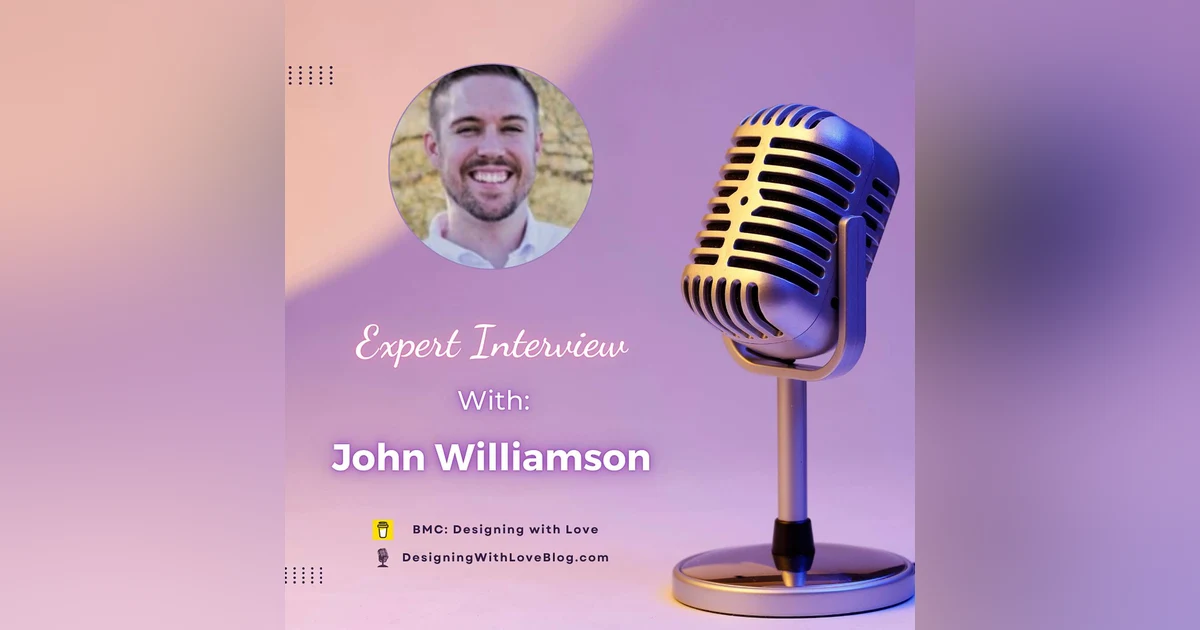

What if AI became your most thoughtful co-teacher instead of a shortcut students hide behind? Jackie had an engaging and insightful conversation with John Williamson, lead curriculum developer at Grand Canyon University and founder of Olive and Rose Education, to map out how generative AI can boost creativity, deepen learning, and give teachers precious time back—without losing professional judgment or student agency.
We unpack John’s three-tier framework for responsible adoption: AI-assisted activities that focus on brainstorming and clarity without generating final work, co-creation tasks that let AI help shape outlines or partial drafts, and AI-empowered simulations where students rehearse real-world scenarios and reflect on their decisions. From interviewing historical figures to practicing situational leadership and counseling skills, these designs turn passive assignments into memorable learning experiences. Along the way, we emphasize usage statements that document how tools were used, building transparency and accountability while protecting academic integrity.
Ready to design learning that students won’t hand off to machines? Hit follow, share this episode with a colleague, and leave a review with the one experiment you’ll try this week. Your insights help more educators build ethical, creative, and effective AI-powered classrooms.
🔗 Website and Social Links:
Please visit John Williamson’s website and social media links below.
📢 Call-to-Action: Choose one idea from today’s episode and try a small AI-powered experiment in a lesson, module, or project this week. Then, jot down what worked, what didn’t, and what you’d tweak next time.
Join PodMatch!Use the link to join PodMatch, a place for hosts and guests to connect.
Disclaimer: This post contains affiliate links. If you make a purchase, I may receive a commission at no extra cost to you.
💟 Designing with Love + allows you to support the show by keeping the mic on and the ideas flowing. Click on the link above to provide your support.
☕ Buy Me a Coffee is another way you can support the show, either as a one-time gift or through a monthly subscription.
🗣️ Want to be a guest on Designing with Love? Send Jackie Pelegrin a message on PodMatch, here: Be a guest on the show
🌐 Check out the show's website here: Designing with Love
📱 Send a text to the show by clicking the Send Jackie a Text link above.
👍🏼 Please make sure to like and share this episode with others. Here's to great learning!
00:00 - Welcome And Guest Introduction
01:06 - John’s Path From Classroom To Curriculum
04:25 - Discovering AI’s Role In Curriculum
07:45 - Launching Olive And Rose Education
10:15 - Guardrails To Prevent AI-Only Work
12:20 - Creativity: AI As A Thought Partner
15:20 - The AI Usage Scale For Classrooms
19:25 - Simulations And Practice At Scale
22:44 - Personalization For Neurodivergent Learners
25:59 - Time Savings Without Losing Judgment
28:54 - Bias, Review, And Teacher Voice
32:04 - From Busywork To Purposeful Design
34:54 - Policy, Equity, And Data Privacy
38:44 - Training, Resources, And Adoption
41:44 - A Simple Experiment To Start Now
45:04 - Closing Reflections And Thanks
Welcome And Guest Introduction
Jackie Pelegrin
Hello, and welcome to the Designing with Love Podcast. I am your host, Jackie Pelegrin, where my goal is to bring you information, tips, and tricks as an instructional designer. Hello, instructional designers and educators. Welcome to episode 112 of the Designing with Love Podcast. I'm thrilled to have John Williamson with me today. John is a lead curriculum developer at Grand Canyon University and the founder of Olive and Rose Education, where he helps K-12 and higher ed educators integrate generative AI into teaching and learning. He focuses on curriculum design, AI integration, and leadership training so schools can build responsible pedagogy-first AI strategies. And we work on the same team together, which is great. So welcome to the show, John.
John Williamson
And thanks so much for having me, Jackie. It's a pleasure to be on the show. We get to talk every day. And so now we just get to do it in a podcast form. So I'm excited. Thanks so much for having me.
John’s Path From Classroom To Curriculum
Jackie Pelegrin
Absolutely. I love it. And I know my listeners will enjoy it too. So it's great. So just to kind of get us started, can you share a little bit about your background and what sparked your interest in using generative AI to support curriculum and teaching?
Discovering AI’s Role In Curriculum
John Williamson
Yes. So uh my background has always been with students in a different form. So I love teachers, I love students, I love serving them in any way I can. And so I actually went to Grand Canyon University. I graduated in 2014, and I got my bachelor's in Christian studies with the emphasis in youth ministry. So here in Phoenix, once I graduated, I spent some time as a youth pastor, which was a lot of fun. I got to do a lot of different things, do a lot of camps, things like that. And then I from there transitioned into teaching. So I spent a few years here and in Phoenix teaching middle school and high school special education. Um, and I was also coaching basketball as well, and so really getting that classroom experience, that teaching experience, and just being there for students and supporting them, you know, uh modifying their lesson plans, helping them with whatever their individual needs were, that was my role. And then being that bridge between the student, the parents, and the teachers as well, and helping the teachers also come alongside these students with special needs. Um, I really enjoyed it. And then on the flip side of that, being able to coach basketball was a huge blessing, and really just in that same role, helping students be the best that they can be, whether it's on the basketball court or in the classroom or in their life. That's what I've done, that's what I have a passion for. And then God decided to bless my wife and I with twins, and so that was a surprise with our first go-around with kids uh four years ago. They they're turning four here soon. And so being a basketball coach and a teacher, which all of you listeners know who are educators, I'm sure you know as well, Jackie, takes a lot of time. And so I was not at home a lot. And so having twins, I wanted to be at home, wanted to be there, and God opened up the doors to be able to work at Grand Canyon University. And so after my time in the classroom and getting my master's degree in curriculum and instruction, I have had the blessing of working with you and our team at GCU. I'm now a lead curriculum developer, and it's really cool now being able to work on the back end of things from going to GCU and now working on the courses that students take is a lot of fun, and in that same role of building curriculum that best supports the students and helps students thrive in their upcoming careers, but also it helps the instructors thrive as well. Yeah, and creating curriculum that actually works, that is actually useful, is a big passion of mine because then, as you know, we get to see that in use and get to see the success stories of what's happening in the classroom to help prepare students for their future. And so over the last couple years, we've had the blessing of serving on GCU's AI committee, and that's been amazing. I've been playing around with AI the last few years, and really when it comes to developing curriculum and creating individualized, exciting activities for students to do, and really just changing the game for how creative you can be and what you can do with curriculum and one's learning, really sparked that passion in me. Um, so I was able to serve on our pioneering AI committee, where we look at integrating AI two ways. That's in the student-facing curriculum, but also improving our curriculum development process as well. And so, in doing that for our department and my background in the K through 12 teaching, my first thought was well, who's doing this for K through 12 teachers? And I was like, I bet not a whole lot of people are there. Teachers are usually left just to learn on their own and figure it out for themselves. So that's why I started my own AI consulting business, Olive and Rose Education. And I've actually developed um a few workshops that I do at schools for teachers for their professional development sessions that really go over the basics of AI usage, get them in the tools, go and really using it for their own benefit. Because I've found while working with teachers, when it comes to prep time, it can save teachers anywhere from five to ten hours per week.
Jackie Pelegrin
Oh my goodness.
John Williamson
That's something that's huge on my heart from being a teacher and not having much time. I want to help put that time back in teachers' pockets because that's gonna help reduce burnout. It's gonna help teachers get some rest that they need, get rejuvenated, and get to spend time doing the things that they love. And uh also what I've seen is that increase engagement and critical thinking among students in the classroom as well when implemented into the curriculum in creative and unique ways. And so that's what I also help teachers do. I have a ton of resources that I've developed just simply to help teachers guide their students and help their students navigate AI in an ethical and in effective ways as well. Because those are big things to hit.
Jackie Pelegrin
That's amazing, John. I love that. You saw a need and you you fit that need and you said, okay, there's really not uh there's really not any support for teachers in the K-12 uh sphere. So that's great. Yeah.
Launching Olive And Rose Education
John Williamson
Yeah, and what what what I've seen in developing curriculum at the higher ed level and implementing it in the K-12 world as well, it's much more than just saying, hey, here's a tool, use it, and there you go. Figure it out. Have fun with it. It can do some cool things. There's a lot more to it than that, because there's whole levels of teachers needing to guide students and educators needing to guide students in how to use it to enhance their learning because it can be used just to do the work for them. And so if we want students to really learn and really grasp concepts, then we need to guide them in how to ethically and effectively use it to enhance their learning, spark critical thinking, um, and really help them instead of these tools just completing work for them.
Jackie Pelegrin
Right, exactly. Because we were talking about earlier today how, you know, uh so many assignments, even that we're creating, right, for uh for the curriculum for GCU, we don't want to necessarily AI proof it, but we want to make it so that students don't want to don't want to use it to to cheat, right? Or to do their work for them, but actually spark that interest and help them to go deeper with it. So yeah.
John Williamson
Absolutely. And and you know, that's a big thing that I've seen when doing this is if there's no direction at all for students, then they're most likely going to use it just to complete the work for them. Obviously, we have there's there's students out there who want to do the work, they want to learn. Um, but if there's no direction, if there's no guidance, teachers are gonna be grading a whole lot of AI written work and things completed by AI, which teachers don't want to do. Who wants to waste their time just grading what a machine did? They want to grade what their students did and assess them on their work. And the other side is true as well, though. If you're a teacher and you say, Yeah, I'm all for AI, uh, go ahead, use it, it'll be great. But you don't give them any direction, then their quality of work it's gonna really vary. And who knows what the output's gonna be or what that's gonna uh entail.
Jackie Pelegrin
Yeah, so true. Yeah, and then when they get into the workforce, right, and they're actually asked to uh do something that relates to what they learned and to what we're supposed to learn in their education, and they can't do it, then the the employer will go, Well, wait a minute, we hired you for this because you have we, you know, we thought you had this background and experience. And so, yeah, then they end up just having a machine get the education for them. That's not good, right?
John Williamson
Absolutely. Yeah, absolutely.
Guardrails To Prevent AI-Only Work
Jackie Pelegrin
Wow, I love that. Yeah, so let's dive a little bit into creativity because I I think creativity is almost the last art sometimes. So, how can we as educators treat AI as a creative partner instead of just a shortcut? You were kind of mentioning this a little bit. Do you have an example, maybe, John, of a prompt or activity that really opens things up for learners in that area?
Creativity: AI As A Thought Partner
John Williamson
Yeah, absolutely. And I I break this down. I I have a scale that I've developed to help teachers kind of implement this and guide students in their classroom. And really in a practical way, you know, not just in a way of putting it up on the board and just being like, okay, it's there, but really walking students through it. And so the AI assisted tier, you know, is that first tier that I have. And that's kind of like what with your stoplight uh thing that you're showing me earlier, that's in that kind of yellow where that's the most minimal form of students being allowed to use AI. So, an example of that would a teacher uh is saying, let's take, you know, um students need to choose topics for a research project, right? Well, an AI assisted tier on that scale would be a teacher saying, Hey, you guys can use AI on this assignment, but in this way only. And that's use it to create or draft brainstorm ideas, use it to assist you in brainstorming ideas for a research project. And you can get creative with those prompts that you know the students can develop their own prompt and they can get them creatively thinking and critically thinking about their own interests, what they need to accomplish, you know, in that assignment, and what's going to really spark energy and excitement and within them. Instead of them just sitting there in their chair trying to come up with something, they can brainstorm with AI and choose a topic that the teacher uh then approves of. And so that's just one, you know, at the most basic, basic level, brainstorming ideas, um, using it to come up with, you know, maybe a certain step in their project or um a certain element of their paper, or even getting feedback on a written assignment. That is kind of some of the most basic levels that just the student interacting, getting ideas, getting feedback can be some very uh effective ways that students can use that to spark creativity.
Jackie Pelegrin
I love that. And it's it's not doing the work for them, right? It's it's really that idea generation and checking their work, right? And I like that. That's great.
The AI Usage Scale For Classrooms
John Williamson
Exactly. And then for teachers, if anyone's interested in implementing more AI usage in a classroom, it's great to also then apply an AI usage statement to assignments. I really think in education, that's going to become more and more of the norm. And it's not policing students, right? It's not saying, hey, I just I want to make sure you used AI so I can either dock you or see exactly how you did it or whatever. That's not the heart behind it. The heart behind it is guiding the student and helping them navigate it. So it just adds that extra layer of accountability for the student being able to reflect on, okay, what generative AI tool did I use? How did I use it, and if there's any AI-generated content within the submission to let the teacher know and let the teacher be able to differentiate and see. And then that gets the student critically thinking on how they used AI and developing and building those skills. Uh, but the great thing about the scale is in that tier, um, the teacher can make it very clear when explaining to students there's no AI-generated content that is included in your submission. Only use it for brainstorming. If I see it in there or you state it, then yeah, I will dock you. So there's that extra layer of accountability where students are now seeing, oh, my teacher's encouraging it. They're giving me clear lanes to operate in, and they can see it benefit themselves and they're learning new skills that they need for their future careers too. So there's that AI assisted, and then I have a co-creation level of that as kind of the next step up where students are creating something with an AI tool. And so it's kind of that same setup, it just moves up in usage. You have examples of assignments, such as you know, creating an outline for a presentation or a slide deck, or creating part of a story with AI for a creative writing class or whatever it is, um, things like that. And then AI empowered on the scale is kind of that full-blown AI use where students can be fully in an AI tool. And one uh example I like to give is you know, a teacher can create uh kind of a chat bot in a sense, or prompt an AI tool to act as a historical figure that the class is learning about, and then the students can interview that historical figure, uh giving them questions, learning about the time period, things like that. And so, of course, then you have the usage statements for accountability. So you can get really creative with how to implement AI in the classroom. There's a lot you can do.
Jackie Pelegrin
Ooh, I like that with the historical figure, John. That was so cool. I love that. Wow, that's neat. In one of the classes I teach, I mention this example quite a bit because it's such a good assignment where it's kind of similar to that, but except what they're doing is they're using the situational leadership model. I don't know if you're familiar with that, but it's used in business and instructional design too. So they have the four readiness styles where they help someone maybe on their team that's maybe at the R1 readiness style and they're nervous about it, they're not sure how to handle a project. And so what the students in my class do is they utilize the AI tool, and there's prompts that are in the syllabus, and they use each of those four readiness styles, and they have to put that prompt as it is in the syllabus in a tool like ChatGPT, and then they have a conversation with that and that individual, not you know, individual per se, not really an individual, it's the machine, but they ask them to act as that that particular person, and then they have to write a reflection about what what that process was like and what was the easiest and the hardest to work with and why, what they would do differently the next time. And then that kind of it's in a safe space for them to really work with that, and then they get to learn that and apply that to their their workplace. So it's really great. I love that absolutely assignment.
John Williamson
And I think one of the most powerful things about uh assignments like that is then the student sees they can practice that as many times as they possibly want. Right, and they can even create you know different situations, different scenarios, different things to practice different skills. Uh, we put one uh together like that for a marriage and family therapy course as well, where instead of conducting a live mock interview, I just was creative in prompting and had the AI tool first uh generate a randomized case study with the criteria that was being assessed in that topic, and then from that case study, the student then entered into a mock family therapy session with those family members, and the AI tool responds as each family member. And then, just like you said, they were assessed on the questions they used, the responses they got, the the skills or techniques that they were applying in that, and their reflection on it. And the beauty of that is we can create these learning experiences for students where even when they go home, they can continuously practice these skills and get feedback in really creative ways. So, yeah, those are great.
Jackie Pelegrin
Yeah, I love those. I remember when we worked on that together on that course. I do remember that, so that's pretty neat. Yeah, it's continuous learning, right? It's not it doesn't stop at the tool, it doesn't stop with the assignment, it's continuous learning and it's project-based, right? Or problem-based learning, which is what we want them to do. That's we want them to solve problems, we want them to work on a scaffolded project and really take it to the next level. And I think this can be a really good creative partner and not not something to replace what we're doing, but to really come alongside us and and be that part of our and it can support both the teacher and the student.
Simulations And Practice At Scale
John Williamson
The student, as they get better at using these tools, can then tailor it to their unique learning styles and what they need, and each student's different, and now they can get the individualized support even at home, which is amazing. Absolutely. And for teachers, it's the same thing as well. Teachers, when they learn how to use it effectively, then they now get what they deserve is their very own personal assistant for every single teacher using the tool, which is what teachers deserve. They just need to learn how to effectively use it. Because a lot of teachers probably know how to use it, but what I'm seeing is if you don't know how to effectively prompt it and know what you're doing with these tools, you can actually waste your time because then you have to sort through all kinds of information that you don't need.
Personalization For Neurodivergent Learners
Jackie Pelegrin
Right. That's so true. And yes, that leads into the the next question, too, because and you talked about this a little bit, John, about the burnout, the heavy workload, right? So I wanted to kind of touch a little bit on that. So um, as many of my listeners are facing that too, heavy workloads, and you see that with educators that you work with. So what are some of your favorite ways that you use AI to save time or that you can, you know, direct others to save time on planning, feedback, or assessment while still keeping that professional judgment front and center of the process?
John Williamson
Yeah, definitely. So keeping that professional judgment front and center is key when using AI tools. Every single workshop that I do for teachers, for schools, I always have that message. Treat everything, AI output, as a first draft or as a draft. It doesn't necessarily have to be a first one, but a draft. It's never your final draft. And I teach them train that with your students. Teach that to your students as well, because that's how it should be. AI output should never just be directly copied, paste to be in front of people. All right, we're good. And I I was on LinkedIn and one of my connections, one of my friends, just shared this newspaper from Columbia, I think it was. I can't remember the exact location, but it was this newspaper article, and the last paragraph had that little blurb that AI uses after they're done drafting what you ask it. And you know how it'll usually say, like, would you like this in a Word document so you can easily export? It had it had that little phrase that AI says after it gives you your output at the end of the newspaper article, like published.
Jackie Pelegrin
Oh my goodness.
John Williamson
So clearly showing someone just drafted I drafted this article with AI, copied and pasted it, and they published it. And the that is oh wow, go ahead.
Jackie Pelegrin
I was just gonna say the editor didn't catch that.
Time Savings Without Losing Judgment
John Williamson
Wow, I know, right? Exactly, and so that is exactly why eyes need to be on it. Professionals, teachers, educators should always, always, always review and revise AI output to fit your own classroom, fit your own teaching style, because we also don't want to lose our voices to AI. And these AI tools, they're biased based on their training data, based on the different companies, different tools that you use. If you use uh Google Jim and I, and then you use Microsoft Copilot, and you use um ChatGPT, OpenAI, copilot, and open AI use pretty much the same um things. I'm not gonna get uh too technical into it, but if you use multiple different AI tools with the same prompt, you'll be able to see the biases in their training data based on their responses. And so, do you want students learning information and soaking in information that is biased based on training data like that? You don't. So use it as your assistant, but don't use it as your final draft. Always revise it, always review it, always edit it, change the tone, change it to your expertise so that you can bring the best for your students. So I'll I always start with that. But as far as offloading work, anything written, listeners, hear me on this. Anything written you can think of, just try it with generative AI. I use it as my kind of personal drafting assistant where I have all of these ideas in my head, and I'm like, oh, this would be really good in an assignment or for certain curriculum, even uh reformatting things. Sometimes um instructors will give me an assignment description and they'll say, Hey, we actually want to make this into a template. And so before that would take me hours for just one assignment to convert it from an assignment description to a working worksheet or template. Now I just prompt AI and more or less, you know, take this information, make it into this format that I want, and then I go in and I edit it. If something's not right, I redo the prompt, I tell it to change things up, and it'll fix it for me. That saves hours when you know what you want, and you already have the information to do it. And so I always encourage teachers if you don't know where to start, start with revising curriculum that you currently have. And then take a lesson plan, take an activity, whatever it is, it can even be coming up. And the beautiful thing about these tools, you can always uh attach files to them, have it analyze your lesson plan, and then have it tweak it however you want. How what are some ways to make this lesson plan more engaging? What are some ways that I can uh what are some things I can add to this lesson plan to better support my students, you know, with ADHD? Or I have a student who has this particular need. What can I do to support the student in this lesson plan? What you already have in this activity, that's what's going to save you time. And what these AI tools will do is they will give you those brainstorming ideas and place it exactly in your lesson plan for you. That's what saves time. So then you just do little tweaks that you need here or there, pick out what you want, and you're ready to go. And so I always encourage people, and what's really cut my curriculum development time in half is gathering information about what type of assignment I want or what instructors, how I want to revise this assignment, and then having AI create drafts for me with those ideas. You give it that information, you tell it what you want, you tell it how you want it, and let it draft that for you so that you have some ideas to work with rather than creating everything from scratch yourself.
Bias, Review, And Teacher Voice
Jackie Pelegrin
Yeah, I love that. That's great. And that actually kind of, you know, we kind of did a two for one with the two questions. So we talked about not, you know, the shallow learning or the copying. So that that's great. I love that. Um, because we want to be able to make sure that they have that deep learning and critical thinking uh in that process. And I like that idea, John, of um helping the educators that that have those specialized needs for students, right? Does it have ADHD or neurodivergent learners, um, you know, and all those different types of kids that that they have to be able to support in their traditional classroom, right? Um, because that that may be the case. They may not that student may not always get to go to a special ed type of classroom, right? In the K through 12 space.
John Williamson
Exactly. Yeah, they they might always uh or they might not need to do that. And a lot of times they don't also don't have the confidence to speak up either in in in classrooms. Um a lot of students, it's really easy to shut down, right? And if they don't have a content period like what we had, um students could actually come into class with us, but still that's only one period. And so what if students? One of the most common things with students is I don't understand what this is saying, right? I don't understand what it wants me to do, I don't understand the question. Well, hey, now you have an AI tool that you can access whenever, wherever. Let me teach you how to prompt it to clarify and lay it out step by step what you need to do to adequately complete this assignment. And then for those students who maybe have ADHD or need to look at one thing at a time as they go, that's very helpful. If they have all these instructions, and then an AI tool in seconds can spit out a simple step-by-step, this is exactly what you need to do, that can be a huge support for students.
Jackie Pelegrin
Oh, right, absolutely. I love that. Yeah, because I I you know it's interesting because I had someone on my show a couple months ago, and she now has a company too, and she helps uh workplaces when it comes to those uh individuals that could go into the workforce and have ADHD, they have neurodivergent needs. And when she gave me this statistic, John, I just I was not, I didn't realize this was the case. But she said one out of every five uh people in the workplace that enter the workforce, especially Gen Z, they're neurodivergent and yet they don't, the workplace doesn't meet those needs. And I was like, wow, that's really crazy. And then I thought to myself, well, if that's the case, if they're entering the workforce like that, one in five and their needs aren't being met, then what are we doing at GCU? Are we meeting the needs of neurodivergent learners or not? And on chances are we may not be. So it just opened up my eyes to that. So I think uh it's it's amazing when you get to really connect the dots and and really learn that. So I think you and I could probably work through that a little bit more and and make sure that we meet the needs of more of those students because it's hard to tell, you know, when they're in high school. Are they getting all the the attention that they and the care and support that they need that by the time they get to college, are they really getting? Getting that support. So that's so important.
From Busywork To Purposeful Design
John Williamson
Absolutely. And that's why I just always stress it's so important and crucial that educators, teachers are driving this um navigation and helping students navigate AI because some students might not even know that AI can do that for them. They've probably seen it, you know, in companion chatbots or social media or in games, even, but they probably would never make that connection of how it can help enhance their learning if their teacher never shows them or their teacher never connects those dots and say, Hey, have you ever thought about using it like this to support you in this way? So yeah, I think it can be a game changer for students, definitely.
Jackie Pelegrin
Right, yeah, and not see it as a AI as a barrier or hands off, like you said, or policing it. But really, yeah, that's that's so important. That's great.
John Williamson
Yeah, I mean, that sounds exhausting to me having to be in uh AI police in a classroom for an entire school year of trying to figure out who used AI on this assignment and how, and then you get into arguments, and that it just sounds exhausting.
Jackie Pelegrin
Right.
John Williamson
And honestly, teachers don't want to do that.
Jackie Pelegrin
Right, and then you lose trust among between the students and the teachers, and then it's hard to rebuild that that trust. And so, yeah, it just it doesn't make for a good experience all around.
Policy, Equity, And Data Privacy
John Williamson
Yeah, and I've seen schools that have no AI policy, no AI guidance, or it is, or their guidance is just no AI allowed. Well, that puts teachers in a bad spot because there's no tools that can objectively and accurately say this student used AI on this assignment. They all assess the likelihood. And I've already seen a number of stories of students get docked. Um, there is actually a published news article, I think it was last year or earlier this year, of an honors student who got accused at their high school of using AI to complete a paper because it was written so good. And this honors student um got removed from the honors program and lost scholarships because of that. And this student didn't use AI to complete the work, and all of that was stripped, and they had to go through this whole process, got it reinstated and things, but that's a terrible position to put a teacher in of them having to be the police, them having to be the judge. Because what if a teacher gets it wrong or they can't tell? Then that just all comes down on the teacher, and that's not what teachers deserve either.
Jackie Pelegrin
Right. And then it makes it a horrible experience for the student because then they have to try to prove themselves. And after they got reinstated, I'm sure it just it soured the whole experience, right? It's like do I really want to be an honor student anymore? And now I, you know, how do I get my scholarship opportunities back?
John Williamson
And then that messages of this is what happens when I put my best work forward. That's not the message we want to send to students.
Jackie Pelegrin
Right. Yeah. Do you find a lot of educators, John? Uh before we get into the bonus question, do you find a lot of educators at the K through 12, they just uh they assume that AI is being used because we're finding it when we're working with faculty, right? At GCU, that they're they're saying, I think they're you and it's like, wow, didn't we?
John Williamson
I think it's across the board. You know, there's yeah, I mean, there's some there's telltale signs, and the bottom line, a teacher's gonna know if if a student, you know, used AI to complete a a whole paper, right? They'll say, Little Jimmy, you have never used these words before in your life, and all of a sudden it's all throughout your paper. I don't think so, right? There's there's there's things that that you can see that's obvious, and those are the obvious ones, but you're right. I mean, now if an M-dash is in someone's writing, even if it's used correctly, that's people saying automatic AI. I've seen that. And it's like, well, I mean, yes, that's a sign, but again, it doesn't objectively mean that student that that person used AI. Like you can't just um accuse someone of it, like, because they use correct punctuation. Right. And um, yeah, so I've seen it uh across the board, and and it's easy, and I get it. You can tell, right? You can tell if if a student is used to it, it's it's generic, it has certain sentence structure. I get it. But again, it's not the way to go to just play AI police. How about we come alongside students and teach them how to use it, show them how to navigate it, and explain to them why it's not okay to do that. But also, I think where that lies too, how about we stop blaming the students for using AI, and how about we develop curriculum and learning experiences where students don't just want to offload their thinking because it's busy work or because that work doesn't pertain to them or it doesn't interest them. Like I get it. There's there's some there's subjects students have to take that they're not passionate about. I understand that. But if a teacher sees an assignment and they're like, Yeah, this is busy work, or I wouldn't do this because why? That now students have been given a tool where yeah, they can offload busy work. If it means nothing to them, if it's not giving them any relevant skills or advancing their education, why should students do that? That's not the students' fault. That's the education system and the instructor's fault, uh putting something in front of them that's not beneficial to them. And what AI has done has put that pressure on the education system, which it's been there for a very long time. Now students just have a tool that allows them to offload that work when it's not giving them any skills.
Training, Resources, And Adoption
Jackie Pelegrin
Right, absolutely. Yeah, and I see we see in our some of our assignments, uh, I've seen older courses that don't have a purpose statement, and I'll say all assignments have to have purpose statements. And if the if the faculty subject matter expert cannot write a purpose statement, John, I think that's a telltale sign that maybe this is not the assignment, right?
John Williamson
Yeah, why are we doing it? Right. Right?
Jackie Pelegrin
If you can't come up with a purpose statement, then that that's a problem. Or if they skip it, I'm like, yeah, then if we're just saying in so many words, write this paper, yeah, it's telltale sign, right?
John Williamson
Yeah, and that's huge, you know, in that process of designing assignments now for this modern AI world. You have to have a purpose with that, and not only do you have to have a purpose, you have to have that guidance piece too, right? Here's the criteria, here's what I want you to do, but also here's some ways I want you to use AI if you want to. Here's a path you can take, here's what's allowed. I want you to add a usage statement for accountability. Students can even share links to their chat so you can go in and see it. And I'm telling you that there's always gonna be students who are gonna cheat no matter what, who are gonna use it, complete the work. Those students, there's they're always gonna be there. But if you give the majority of students those guardrails, they're gonna follow them because students want to learn. They want to learn new things, they just want to learn what's relevant to them and what they're gonna use in the future.
Jackie Pelegrin
Yeah, absolutely. I love it. So uh wanted to uh kind of take this from uh before we wrap up, like a leadership and policy angle, because I know that's big, right? With schools, organizations. So what's maybe one or two must-have principles that you would recommend to schools and organizations so that they can create those guidelines that stay aligned with the pedagogy, the equity, and even data privacy, because that's so important today, right?
A Simple Experiment To Start Now
John Williamson
Yeah, absolutely. Um, schools have to review data policy with any tool they partner with. Usually these tools do a good job if if they've licensed to a school or an educational um institution of adding those layers of privacy in. But especially on free accounts, you know, when schools are developing their policy, they need to develop clear guidelines on usage. What tools are approved, what tools can you use for school-related tasks? Because if a student you know is on their device at school, they're using it, but then a student goes home and they're on their own personal Chat GPT account and not the school's you know, Google Gemini account, well, all that data is being shared with that company, all the prompts, all the responses, it's being shared and being used to train that model for that company. So schools need to be aware of that, they need to communicate that, have that in their policies of which which tools do you have approved because of those privacy guardrails. And a lot of these tools don't have guardrails to protect kids as well. Google Gemini does an excellent job at that, of just being in there and not being able to talk about anything harmful. Uh, Google Gemini does a great job of that. Chat GPT did a good job of that, but now they're releasing some stuff that's pretty questionable, and I feel like they've been moving away from that to um uh uh to appeal to the the broader crowd. They do have an you know an education um model or account type thing that you can get that has a bit more guardrails, but clearly stating those guardrails, what tools you can use, what purposes can you use these tools for, and why, you know, how it fits with the school. Why is the school even implementing it? Why is the school even have it? And also, I think it's crucial, just me being a teacher, schools giving teachers practical resources that they can actually implement in their classroom and giving them training that they need to do that, to give them strategies, give them tools that they can use in their classroom to streamline their prep time, give them time back in their pockets, and also just enhance the learning experience for students. So, like that AI integration scale I talked about. I have both a parent and a student AI usage guide as well that I I give out. Just quick, practical, effective ways to implement AI and use it is very helpful. So I would think those are the main things.
Jackie Pelegrin
Yeah, I love that. That's great. Being clear, you know, GCU has a really good policy. So uh yeah, I love it. Yeah, and it's in the resource center and and all of that, and the training that because you teach too, you teach some of the UMV courses. So um yeah, being able to have those faculty resources and the training that goes along with it, I think really helps. And there's even a resource, John, that I pulled off of that that was part of our because I think they still have more training that's coming out on AI usage, but it's really cool because they have the student-facing document and I put it in all my announcements now. And then I, as you talked about, I have that stoplight method. So it was inspired by one of those training videos that I took. So it was really nice to have that. Yeah, it's really neat.
John Williamson
Absolutely. And I have uh I have multiple uh training videos both on my website and my YouTube channel as well to help teachers there. I have some free resources on my website that I give out all just to help teachers implement and schools implement these things in a practical and an effective way. That's what I want to do for schools.
Jackie Pelegrin
That's great. And I'll make sure to link your website in the show notes too, so everybody can grab those resources because I think it's great when we can share the knowledge and give teachers those resources that they can have that are tangible, that are absolutely I agree. Yeah, I love it.
Closing Reflections And Thanks
John Williamson
Things wonderful. That's what I've based all of mine off of. You know, no more just meetings that don't mean anything or information that you never use. I want to give teachers things that are practical that they can use right now.
Jackie Pelegrin
Yep, I love that. That's great. So as we wrap up, for someone who wants to start using AI more intentionally, maybe this week, while we're getting, you know, depends on when people listen to it. So maybe even next week. What do you think is one simple experiment that you'd recommend? And how can they tell if it's helping with creativity, efficiency, or even deeper learning as well?
John Williamson
Yeah, absolutely. Um I go back to what I said earlier. If you're just starting out, I always recommend teachers to work with the curriculum you already have. Um it's it takes a little bit more advancement, a little bit more knowledge of how these tools work and how they respond, of you getting used to that to start creating things from scratch. But if you work with uploading documents or files that you already have and tweaking those, revising those, you know, if if you want to brainstorm different ways to do this lesson plan or this activity, or how can I make this more engaging, or maybe you want to take this lesson plan, but you want to add some different components to it, or um any something like that, that's where I would that's where I I would recommend to start. And then once you get an idea of how these tools respond, what their output is, and what information you need to give it to get what you want, then start streamlining your workflows. Start thinking, okay, what are some repetitive tasks that I have that I can set up a chat or a custom gym and Gemini or custom GPT and chat GPT that I can set up and train it a certain way to knock out these repetitive tasks or do this repetitive drafting for me. Then you start to really start saving time of if you can kind of automate or make these repetitive tasks one click. Um and one really fun thing to do as a teacher, give these tools some resources you have in your room. So if you have things for students to play with, certain books, uh maybe you're looking at a junk drawer or a resource drawer that you have, and you're like, I have all these random things. Tell um a generative AI tool what you have, and then give it uh ways, uh ask it ways that you can create an activity or different activities with the resources that you have and see what it tells you. That's a lot of fun. You get a lot of creative ideas that you maybe never would have thought of just looking at the stuff that you have. So I like doing that too. That's a lot of fun to do that.
Jackie Pelegrin
That is cool. I like that. Utilize what's already there and come up with some creative fun activities for them.
John Williamson
Yeah. Absolutely. Especially on those days where you're like, I have no idea what we're doing, use it, use it for that.
Jackie Pelegrin
Right.
John Williamson
It's good for that.
Jackie Pelegrin
You know, I'm thinking like of those uh rainy days, right, where they can't do recess and they have to stay inside, right? Or those who live on the East Coast snow days, right?
John Williamson
Uh well, and and then if you want to still have um the lesson, you know, be productive, like I said, attach your lesson plan or an idea and say, I have these resources, how can I align it? What can I do to uh reach this objective? And watch what it does. Then you have your own little assistant.
Jackie Pelegrin
Yeah, I love that. Yeah, there's so many ways we can utilize it. I love that.
John Williamson
Yeah, and and and that's what I I always tell teachers to just use it. Use it for different things. The more you use it, the better you're gonna get at it, and and the more you're gonna see what you can do.
Jackie Pelegrin
Right, absolutely. I love that. Well, John, thank you so much for your sharing your insights today. This is such a great conversation. I appreciate how you connected the generative AI with the strong pedagogy, the responsible use, and those practical strategies that educators can use right away in their classrooms. I love that. So I know my listeners will walk away with many new ideas for designing learning that's more creative, efficient, and deeply engaging with AI as that thoughtful creative partner. So I love it. Thank you so much for being on the show.
John Williamson
Um of course. Thank you so much for having me. Yes, I would love to. I love this conversation. So I would uh be definitely humbled and blessed to be on another one of your episodes.
Jackie Pelegrin
Absolutely. I I always say when I when someone comes on my show once, it's like they're they're welcome. It's a lifelong invitation. So they're always welcome to come back on. I've had individuals on multiple times and it's just getting them back on the show because we're all so busy. So once they come back on, it's uh, you know, and we get this process going, it's really great. So yeah, if you think of any ideas that uh we can dig deeper into or something like that, um I'm all I'm always happy to have you on again.
John Williamson
Absolutely. That sounds great, Jackie. Thank you.
Jackie Pelegrin
Appreciate it. And I will see you at work.
John Williamson
All right, sounds good.
Jackie Pelegrin
Thanks.
John Williamson
Bye.
Jackie Pelegrin
Thank you for taking some time to listen to this podcast episode today. Your support means the world to me. If you'd like to help keep the podcast going, you can share it with a friend or colleague, leave a heartfelt review, or offer a monetary contribution. Every act of support, big or small, makes a difference, and I'm truly thankful for you.

AI Consultant / Lead Curriculum Developer
John Williamson is a Lead Curriculum Developer at Grand Canyon University and the founder of Olive & Rose Education, where he designs and delivers professional development focused on integrating generative AI into K–12 education.
Professionally, John specializes in curriculum design, AI integration for educators, and leadership training that helps schools responsibly implement AI policies and strategies aligned with instructional goals and data privacy standards. His expertise bridges the gap between technology and pedagogy, empowering educators to use AI as a tool for creativity, efficiency, and deeper learning.