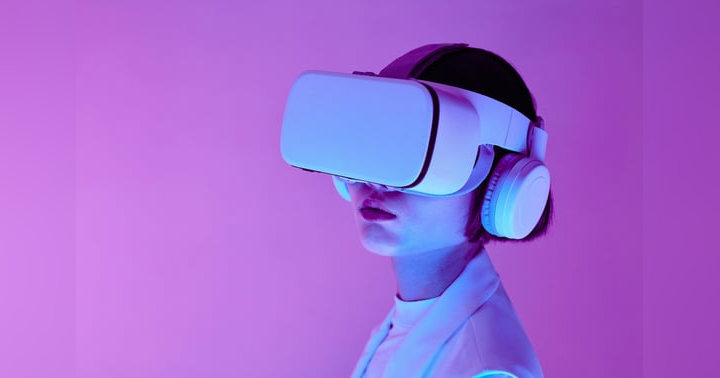
WEBVTT
00:00:00.719 --> 00:00:04.240
Hello, and welcome to the Designing with Love Podcast.
00:00:04.240 --> 00:00:12.320
I am your host, Jackie Pelegrin, where my goal is to bring you information, tips, and tricks as an instructional designer.
00:00:12.320 --> 00:00:16.079
Hello, instructional designers and educators.
00:00:16.079 --> 00:00:21.039
Welcome to episode 91 of the Designing with Love Podcast.
00:00:21.039 --> 00:00:32.960
In this episode, I'll help you design with purpose, not pixels, by choosing the modality, crafting meaningful interactions, and capturing evidence of learning that lasts.
00:00:32.960 --> 00:00:40.000
So grab your notebook, a cup of coffee, and settle in as we explore this topic together.
00:00:40.000 --> 00:00:55.359
Back in episode 79, Top Emerging Technologies Shaping Instructional Design, we took a bird's eye view of emerging tools like VR, AR, and MR, and how they're starting to shape our work as learning designers.
00:00:55.359 --> 00:00:59.200
I have provided a link to the episode in the show notes for you.
00:00:59.200 --> 00:01:03.920
Today we're zooming in on those three and asking a different question.
00:01:03.920 --> 00:01:10.959
How do you actually decide when to use them, how to design for them, and how to prove they made a difference?
00:01:10.959 --> 00:01:16.400
If VR, AR, and MR still feel a little fuzzy to you, don't worry.
00:01:16.400 --> 00:01:19.439
You don't have to listen to episode 79 first.
00:01:19.439 --> 00:01:29.760
Think of that one as the overview and this episode as the deeper dive where we get practical about decisions, design moves, and measurement.
00:01:29.760 --> 00:01:36.480
Okay, so let's start with a super quick refresher, just to make sure we're all on the same page.
00:01:36.480 --> 00:01:43.840
Since I go into more detail about this in episode 79, I'll keep this light and in plain language.
00:01:43.840 --> 00:01:49.840
First, there's virtual reality, or VR, which is a fully immersive environment.
00:01:49.840 --> 00:01:53.599
Here, you put on a headset and the real world disappears.
00:01:53.599 --> 00:02:01.359
You're standing in a simulated space that could be a factory floor, a hospital room, or even the surface of Mars.
00:02:01.359 --> 00:02:08.159
Next is augmented reality, or AR, which adds a digital layer on top of the real world.
00:02:08.159 --> 00:02:16.800
Think of holding up your phone or tablet and seeing instructions, arrows, or labels overlaid on the space in front of you.
00:02:16.800 --> 00:02:26.400
Finally, there's mixed reality, or MR, which blends digital content with the real world in a way that allows you to interact with it.
00:02:26.400 --> 00:02:36.639
Digital objects are anchored in your environment, and then you can walk around them, manipulate them, and sometimes collaborate with others around the same 3D content.
00:02:36.639 --> 00:02:44.240
Now, rather than memorizing those definitions, I want you to think in terms of when each one shines.
00:02:44.240 --> 00:02:52.639
If you need people to safely practice in a high-risk or high cost environment, VR might be your best tool.
00:02:52.639 --> 00:03:00.400
If you need people to stay in the real environment and get guidance in the flow of work, AR becomes really powerful.
00:03:00.400 --> 00:03:09.280
If you need people to collaborate around complex 3D objects or spaces, MR can open up new possibilities.
00:03:09.280 --> 00:03:12.479
So the question isn't which headset is coolest.
00:03:12.479 --> 00:03:18.080
The question is which modality actually fits the problem I'm trying to solve?
00:03:18.080 --> 00:03:28.960
So before you even whisper the words VR, ARMR to your stakeholders, you need a clear learning problem and a clear outcome.
00:03:28.960 --> 00:03:34.879
Here you might ask yourself, what do learners need to do differently after this experience?
00:03:34.879 --> 00:03:44.560
Is it about reducing safety incidents, improving judgment under pressure, speeding up time to proficiency, or something else altogether?
00:03:44.560 --> 00:03:48.800
Then get honest about whether immersive tech is really needed.
00:03:48.800 --> 00:03:58.159
Could this be solved with a simpler option, like a video, a branching scenario, a job aid, or a short blended experience?
00:03:58.159 --> 00:04:03.520
If the answer is yes, you might not need VR ARMR at all.
00:04:03.520 --> 00:04:12.560
And that's actually a win for you as an instructional designer because you're protecting your organization's time, budget, and learners' energy.
00:04:12.560 --> 00:04:24.560
However, if immersion does add something essential, like realism, emotional impact, or the ability to practice safely, then it becomes worth exploring.
00:04:24.560 --> 00:04:33.040
At the same time, you have to factor in constraints such as do learners actually have access to devices or headsets?
00:04:33.040 --> 00:04:36.560
What are the IT and security policies like?
00:04:36.560 --> 00:04:41.519
And how much time can learners realistically spend in these experiences?
00:04:41.519 --> 00:04:46.480
Also, we can't forget about accessibility and inclusion.
00:04:46.480 --> 00:04:49.680
Not everyone can or should use a headset.
00:04:49.680 --> 00:04:55.600
Some learners may experience motion sickness, sensory overload, or other physical challenges.
00:04:55.600 --> 00:05:04.959
So you'll always want an equivalent pathway, maybe a 2D version on a screen, or a guided simulation that doesn't require a headset.
00:05:04.959 --> 00:05:13.120
If you'd like to go deeper on designing with all learners in mind, I highly recommend revisiting a couple of earlier episodes.
00:05:13.120 --> 00:05:17.920
I've also provided a link to these episodes in the show notes.
00:05:17.920 --> 00:05:32.480
In episode 44, a guide to universal design for learning, I walk through how to plan for variability from the very beginning of your design so more learners can access and engage with the experience in ways that work for them.
00:05:32.480 --> 00:05:44.160
Then in episode 65, accessibility in action, we get really practical about making learning experiences usable and welcoming for as many people as possible.
00:05:44.160 --> 00:05:51.120
Everything from captions and color contrast to alternate formats and assistive technology.
00:05:51.120 --> 00:06:05.920
Those two episodes pair really well with what we're talking about today, especially when you're citing who can safely and comfortably participate in VR, AR, or MR, and what equivalent options you'll provide.
00:06:05.920 --> 00:06:11.120
So the big takeaway here is don't start with we need VR.
00:06:11.120 --> 00:06:19.680
Start with we have a performance problem, and then ask, is immersive tech truly the right tool for this job?
00:06:19.680 --> 00:06:29.040
Once you've decided that VR, AR, or MR actually makes sense, the next question is what happens in there?
00:06:29.040 --> 00:06:32.879
Your goal isn't to impress people with fancy graphics.
00:06:32.879 --> 00:06:37.680
Your goal is to transform how they think, decide, and act.
00:06:37.680 --> 00:06:43.360
A helpful way to think about this is objectives first, interactions second.
00:06:43.360 --> 00:06:50.160
For each learning objective, ask what would that look like as an action in this environment?
00:06:50.160 --> 00:06:53.759
Here's some examples of how you could approach this.
00:06:53.759 --> 00:07:02.319
If the objective is to identify hazards, maybe learners have to spot and select unsafe conditions in a virtual warehouse.
00:07:02.319 --> 00:07:11.120
If the objective is to sequence steps, maybe they have to arrange key actions in order while they're standing in a simulated workplace.
00:07:11.120 --> 00:07:21.120
If the objective is to make judgment calls, maybe they face branching decisions where each choice leads to different outcomes or consequences.
00:07:21.120 --> 00:07:25.120
Next, think about story and context.
00:07:25.120 --> 00:07:30.560
Even a simple scenario can be powerful when it mirrors the realities your learners face.
00:07:30.560 --> 00:07:34.240
You don't have to create an elaborate video game plot.
00:07:34.240 --> 00:07:38.639
In fact, too much narrative can create cognitive overload.
00:07:38.639 --> 00:07:42.720
Instead, aim for a tight, relatable scenario.
00:07:42.720 --> 00:07:44.959
Who is the learner supposed to be?
00:07:44.959 --> 00:07:46.160
Where are they?
00:07:46.160 --> 00:07:48.000
What problem are they solving?
00:07:48.000 --> 00:07:49.600
What's at stake?
00:07:49.600 --> 00:07:54.800
You also want to manage cognitive load carefully in an immersive environment.
00:07:54.800 --> 00:08:01.120
Too many interactive elements, sounds, or visual effects at once can overwhelm your learners.
00:08:01.120 --> 00:08:11.519
If you want to dive deeper into cognitive load theory itself, you might enjoy going back to episode 28, what is cognitive load and why is it important?
00:08:11.519 --> 00:08:21.519
In that episode, I break down intrinsic, extraneous, and germane load and talk about why managing mental effort is such a big deal in learning design.
00:08:21.519 --> 00:08:25.759
I have also provided a link to that episode in the show notes for you.
00:08:25.759 --> 00:08:33.679
Here, in the context of VR, AR, and MR, we're applying those same ideas in 3D spaces.
00:08:33.679 --> 00:08:35.919
You might consider the following.
00:08:35.919 --> 00:08:42.559
Number one, limit the number of interactable objects or instructions learners see at one time.
00:08:42.559 --> 00:08:49.519
Number two, reduce extraneous load by removing decorative elements that don't support the task.
00:08:49.519 --> 00:08:56.399
Number three, use visual cues, arrows, or highlights to guide their attention to what matters most.
00:08:56.399 --> 00:09:06.799
And number four, offer a guided mode or short tutorial space the first time they enter, so they're not figuring out the controls and the content at the same time.
00:09:06.799 --> 00:09:11.600
And finally, think about comfort and psychological safety.
00:09:11.600 --> 00:09:15.919
Shorter sessions often work better, especially for beginners.
00:09:15.919 --> 00:09:21.120
Make sure learners know how to pause, exit, or ask for help.
00:09:21.120 --> 00:09:27.440
Give them a brief orientation so they know what to expect before the experience ramps up.
00:09:27.440 --> 00:09:32.879
Designing for VR, AR, and MR isn't just about building a cool world.
00:09:32.879 --> 00:09:42.720
It's about designing meaningful decisions and actions inside that world, while protecting learners from overload so they can actually focus on what matters.
00:09:42.720 --> 00:09:52.639
To make this scenario more concrete, let's walk through a real life style example of how you might navigate these choices on a project.
00:09:52.639 --> 00:09:58.639
Imagine you've been asked to redesign safety training for a busy distribution warehouse.
00:09:58.639 --> 00:10:04.399
Right now the training is a long slide deck, maybe a video, and a quick quiz at the end.
00:10:04.399 --> 00:10:10.000
Learners check the box, but incident rates are still higher than leadership would like.
00:10:10.000 --> 00:10:15.200
Leaders come to you and say, we want something cutting edge, maybe VR.
00:10:15.200 --> 00:10:21.519
Rather than jumping straight into headset shopping, you start by clarifying the core problem.
00:10:21.519 --> 00:10:25.440
After doing some initial research, you learn a few things.
00:10:25.440 --> 00:10:31.279
Number one, many incidents are related to forklift operation and pedestrian walkways.
00:10:31.279 --> 00:10:36.399
Number two, new hires struggle to recognize where the danger zones are.
00:10:36.399 --> 00:10:42.320
And number three, current training feels disconnected from the real environment.
00:10:42.320 --> 00:10:45.919
So you explore modality options.
00:10:45.919 --> 00:10:48.159
You might consider the following.
00:10:48.159 --> 00:10:50.960
Option one, VR simulation.
00:10:50.960 --> 00:10:54.399
New hires enter a virtual version of the warehouse.
00:10:54.399 --> 00:11:04.159
They walk through the space, identify hazards, watch how forklifts move, and practice making safe choices without any real world risk.
00:11:04.159 --> 00:11:07.440
Option two, AR performance support.
00:11:07.440 --> 00:11:10.960
Workers use a tablet or phone on the warehouse floor.
00:11:10.960 --> 00:11:18.559
AR overlays highlight safe walkways, no go zones, and proper signage as they move through the real environment.
00:11:18.559 --> 00:11:22.240
Option three, MR collaboration session.
00:11:22.240 --> 00:11:27.200
Supervisors and frontline staff gather around a digital twin of the warehouse.
00:11:27.200 --> 00:11:32.720
They can see routes, experiment with different layouts, and co-design improvements.
00:11:32.720 --> 00:11:41.840
After talking with stakeholders and looking at constraints, you decide to start with a focused VR hazard recognition module for new hires.
00:11:41.840 --> 00:11:44.879
That becomes the core immersive piece.
00:11:44.879 --> 00:12:06.879
In the VR experience, learners can do the following walk through a simulated warehouse environment, practice identifying unsafe conditions, like blocked exits, poor line of sight, or pedestrians in forklift paths, and then make go no-go decisions and see the consequences of mistakes in a safe way.
00:12:06.879 --> 00:12:19.519
To reinforce this, you pair the experience with a simple AR-inspired non-headset solution, like a digital or printed map of the actual warehouse that mirrors what they saw in VR.
00:12:19.519 --> 00:12:27.039
Supervisors can then walk new hires through the real space, connecting the simulation to day-to-day work.
00:12:27.039 --> 00:12:31.200
You can also design a short debrief guide for supervisors.
00:12:31.200 --> 00:12:33.600
Just a few questions they can ask.
00:12:33.600 --> 00:12:38.000
What hazards stood out to you the most in the VR simulation?
00:12:38.000 --> 00:12:41.679
Where do you see those same risks in this warehouse?
00:12:41.679 --> 00:12:45.120
What's one change you'll make starting today?
00:12:45.120 --> 00:12:49.039
In this example, you didn't just build VR for the sake of it.
00:12:49.039 --> 00:12:50.399
You did the following.
00:12:50.399 --> 00:12:54.080
Number one, started with a real performance problem.
00:12:54.080 --> 00:12:58.480
Number two, chose a modality that allowed safe practice.
00:12:58.480 --> 00:13:03.120
Number three, design specific interactions tied to objectives.
00:13:03.120 --> 00:13:09.120
And number four, wrapped it all with support before and after the headset comes off.
00:13:09.120 --> 00:13:17.840
So if we're going to invest in immersive experiences, we need more than that was cool as our data point.
00:13:17.840 --> 00:13:22.960
You've heard me say before that assessment planning should start early, not at the end.
00:13:22.960 --> 00:13:26.799
That's especially true for VR, AR, and MR.
00:13:26.799 --> 00:13:30.000
Here you can ask yourself two questions.
00:13:30.000 --> 00:13:34.480
What behaviors inside the experience will count as evidence of learning?
00:13:34.480 --> 00:13:40.960
Are you measuring accuracy, speed, judgment, collaboration, or something else?
00:13:40.960 --> 00:13:47.679
In a VR scenario, for example, you might ask, how many hazards learner correctly identify?
00:13:47.679 --> 00:13:58.320
How long it takes them to notice a problem, how many times they choose a safe versus unsafe route, and whether they improve on a second or third attempt.
00:13:58.320 --> 00:14:08.480
You can also capture data outside the headset, a short reflection such as what's one thing this experience changed about how you see your workplace?
00:14:08.480 --> 00:14:14.480
A quick application-focused quiz, not just definitions, but real world decisions.
00:14:14.480 --> 00:14:20.799
And then feedback from supervisors on whether behaviors are changing on the floor.
00:14:20.799 --> 00:14:27.360
Then you can zoom out to business performance metrics such as are incident rates going down?
00:14:27.360 --> 00:14:30.559
Are new hires reaching proficiency faster?
00:14:30.559 --> 00:14:33.200
Are there fewer errors or near misses?
00:14:33.200 --> 00:14:43.440
When you present results back to stakeholders, you can tell a simple story, such as, here's what's happening before, here's what we built and why.
00:14:43.440 --> 00:14:53.840
That's how you move from cool experiment to strategic learning solution.
00:14:53.840 --> 00:15:00.639
Alright, so now let's talk about how you can get started without feeling overwhelmed.
00:15:00.639 --> 00:15:04.799
You do not have to become a game engine developer overnight.
00:15:04.799 --> 00:15:13.279
Your role as an instructional designer is to ask smart questions, design in the learning flow, and advocate for the learner.
00:15:13.279 --> 00:15:17.440
A great way to begin is with a pilot, not a full program.
00:15:17.440 --> 00:15:26.159
Here you can choose one high impact use case, one core behavior you want to influence, and one main metric you'll track.
00:15:26.159 --> 00:15:28.559
Make sure to keep your scope tight.
00:15:28.559 --> 00:15:36.639
Maybe it's a single VR scenario, a short AR overlay, or a small MR collaboration exercise.
00:15:36.639 --> 00:15:40.639
The goal here is to learn, not to solve everything in one go.
00:15:40.639 --> 00:15:47.519
You'll often be partnering with internal IT teams, vendors, XR studios, or platform providers.
00:15:47.519 --> 00:15:52.559
When you talk to potential partners, don't just ask, can you make this look amazing?
00:15:52.559 --> 00:15:58.639
Instead, you can ask the following, how will this work for learners with different accessibility needs?
00:15:58.639 --> 00:16:00.639
What data can we capture?
00:16:00.639 --> 00:16:02.960
And how will we access it?
00:16:02.960 --> 00:16:06.559
How does this integrate with our existing systems?
00:16:06.559 --> 00:16:10.000
And what support will learners and facilitators need?
00:16:10.000 --> 00:16:20.240
Over time, you can create a simple decision checklist for your team that asks items such as, is immersive tech truly necessary here?
00:16:20.240 --> 00:16:25.360
Which modality, VR, AR, or MR, best supports the goal?
00:16:25.360 --> 00:16:30.159
How will we support learners before, during, and after the experience?
00:16:30.159 --> 00:16:32.320
And how will we know it worked?
00:16:32.320 --> 00:16:36.000
As you run pilots, document your lessons learned.
00:16:36.000 --> 00:16:37.279
What worked well?
00:16:37.279 --> 00:16:38.720
What surprised you?
00:16:38.720 --> 00:16:40.879
What would you change next time?
00:16:40.879 --> 00:16:49.919
That becomes your roadmap for future projects, and it positions you as a thoughtful guide, not just someone chasing the latest shiny tool.
00:16:49.919 --> 00:16:54.960
Before I conclude this episode, I want to leave you with one simple next step.
00:16:54.960 --> 00:16:59.120
So this episode turns into action, not just inspiration.
00:16:59.120 --> 00:17:06.799
This week, I'd like you to pick one project in your current or upcoming pipeline and ask yourself three questions.
00:17:06.799 --> 00:17:14.559
Number one, is VR, AR, MR truly needed here, or would a simpler solution work just as well?
00:17:14.559 --> 00:17:24.400
Number two, if immersive tech is a good fit, what's one critical decision or behavior learners could safely practice in that environment?
00:17:24.400 --> 00:17:30.160
Number three, how would I capture evidence that this experience actually made a difference?
00:17:30.160 --> 00:17:32.559
Make sure to write down your answers.
00:17:32.559 --> 00:17:38.400
And if you'd like to share them, I'd love to hear how you're navigating these new realities in your own context.
00:17:38.400 --> 00:17:46.000
You can connect with me on whatever channel you prefer, LinkedIn or through my website, and let me know what you're exploring.
00:17:46.000 --> 00:17:55.039
As I conclude this episode, I would like to share an inspiring quote from Bill Gates that helps us put all of this technology into perspective.
00:17:55.039 --> 00:17:57.519
Technology is just a tool.
00:17:57.519 --> 00:18:03.200
In terms of getting kids working together and motivating them, the teacher is the most important.
00:18:03.200 --> 00:18:08.400
As instructional designers, the same is true for VR, AR, and MR.
00:18:08.400 --> 00:18:11.920
The headsets and devices are not the heroes of the story.
00:18:11.920 --> 00:18:13.359
The learners are.
00:18:13.359 --> 00:18:20.799
So as you navigate these new realities, remember, you're not designing for hardware, you're designing for humans.
00:18:20.799 --> 00:18:24.480
When you lead with purpose, the pixels will follow.
00:18:24.480 --> 00:18:26.640
Thank you so much for joining me.
00:18:26.640 --> 00:18:32.799
Until next time, keep designing with intention, with curiosity, and of course, with love.
00:18:32.799 --> 00:18:55.920
Every act of support, big or small, makes a difference, and I'm truly thankful for you.