Practical AI Strategies for K-12 And Higher Ed with John Williamson
In the rapidly evolving landscape of education, generative AI is emerging as a powerful tool that can enhance teaching and learning experiences. In this blog post, we explore insights from John Williamson, a lead curriculum developer and founder of Olive & Rose Education, who is at the forefront of integrating generative AI into K-12 and higher education. Join us as we delve into the practical applications of AI in curriculum design and the transformative potential it holds for educators and students alike.
Understanding the Role of Generative AI in Education
Generative AI is not just a technological trend; it represents a paradigm shift in how educators can approach curriculum development and student engagement. John Williamson emphasizes the importance of AI in providing personalized learning experiences that cater to individual student needs. By utilizing AI tools, educators can create dynamic learning environments that foster creativity and critical thinking.
The Journey of John Williamson
John's passion for education began with his background in Christian studies and youth ministry. His journey includes hands-on experience as a special education teacher and basketball coach, where he learned the value of supporting diverse student needs. Transitioning to Grand Canyon University, John began developing curricula that not only meet educational standards but also engage students in meaningful ways. His experience on the AI committee at GCU sparked his interest in leveraging AI to improve educational practices and alleviate teacher burnout.
AI Strategies for Educators
John discusses several practical AI strategies for educators:
- AI-Assisted Learning: This involves using AI as a brainstorming partner. For instance, when students are tasked with choosing research topics, they can use AI to generate ideas, fostering creativity and ownership of their learning.
- Co-Creation with AI: Students can collaborate with AI to create outlines or even draft parts of their projects, allowing them to utilize AI as a supportive tool rather than a crutch.
- AI-Powered Simulations: In advanced applications, students can interact with AI in scenarios like interviews with historical figures or simulated therapy sessions, providing a safe and controlled environment for practice.
Promoting Ethical AI Use
With the increasing use of AI in education, it is crucial to guide students on ethical practices. John emphasizes the need for educators to establish clear guidelines on AI usage. By incorporating AI usage statements in assignments, educators can encourage accountability and reflection, prompting students to consider how they engage with AI tools.
Conclusion: Key Takeaways
Generative AI holds immense potential to revolutionize education by enhancing curriculum design and fostering student engagement. As we embrace these technologies, it is essential to provide educators with the necessary support and training to implement AI effectively. By treating AI as a collaborative partner in the learning process, we can empower students to think critically and creatively, preparing them for success in their future careers.
🔗 Website and Social Links:
Please visit John Williamson’s website and social media links below.
📢 Call-to-Action: Choose one idea from today’s episode and try a small AI-powered experiment in a lesson, module, or project this week. Then, jot down what worked, what didn’t, and what you’d tweak next time.
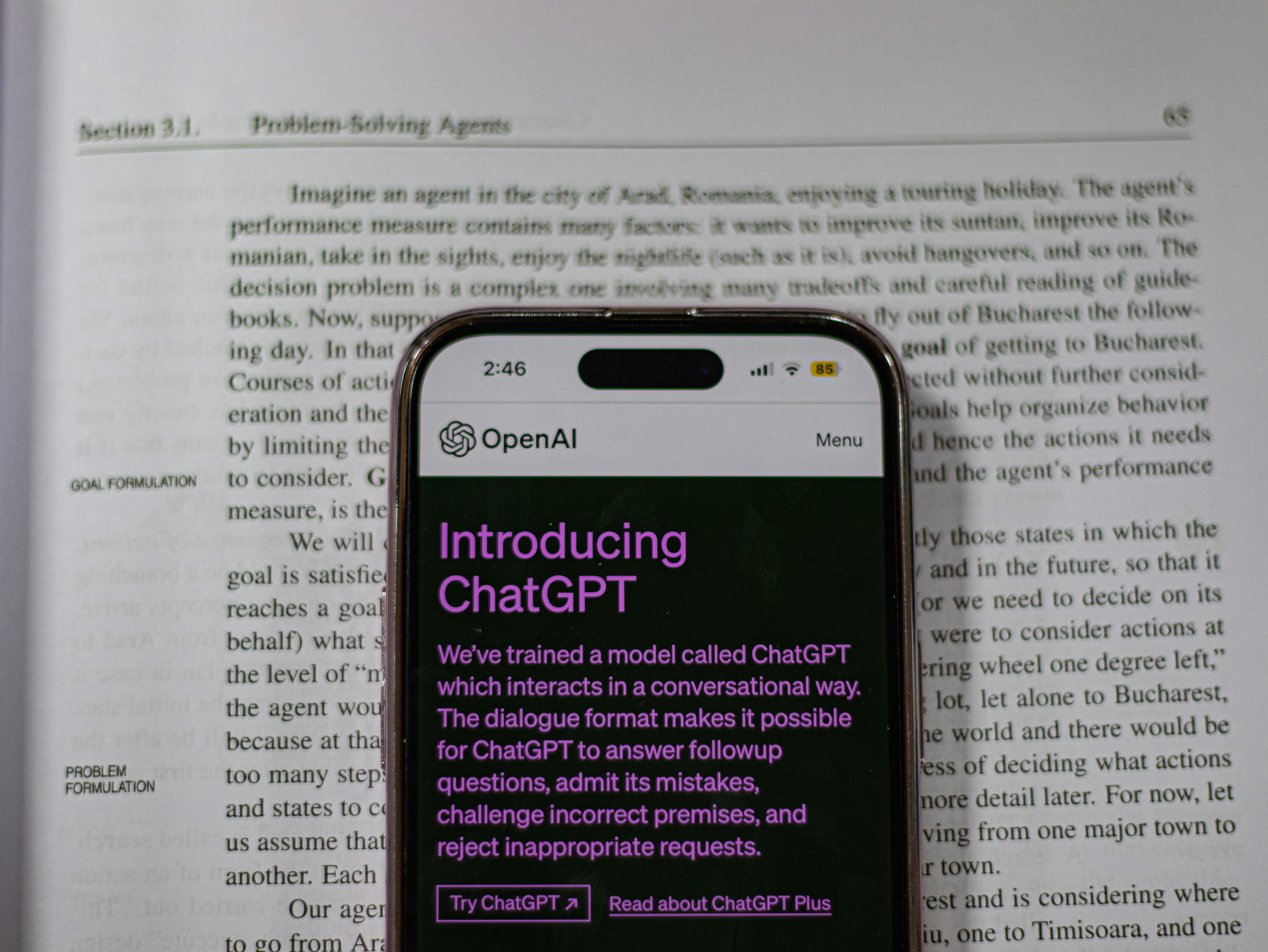
Photo by Shantanu Kumar: https://www.pexels.com/photo/chatgpt-webpage-open-on-iphone-16474955/

Instructional Designer, Author, College Professor, and Podcast Host
Jackie, an Arizona native, leverages decades of experience as an instructional designer within both higher education and the corporate world. She holds an MBA and a Master of Science in Instructional Design and Technology, both acquired through online learning. In addition to her full-time role, Jackie serves as an adjunct instructor, teaching online courses at Grand Canyon University. During her leisure time, she delights in reading books across a range of genres, enjoying movies and TV shows, playing games, listening to uplifting music, and spending quality time with her family and friends.
Paragraphs, Not Panic: Dyslexia-Smart Strategies with Russell Van Brocklen