Navigating the Journey: Caroline Amberson's Transformation Through Instructional Design
In the latest episode of the Designing with Love podcast, Jackie reconnects with Caroline Amberson, a graduate from the Master of Science in Instructional Design program at Grand Canyon University. Caroline shares her inspiring journey from a novice in instructional design to a confident educator and demonstration teacher, highlighting the practical tools and strategies that have shaped her teaching career.
Caroline's Background and Role
Caroline is a sixth-grade teacher in the San Bernardino City Unified School District, where she wears multiple hats as a demonstration teacher and program specialist. Her role allows educators from across California to observe her teaching methods, and she also creates professional development modules for her district. This diverse experience has given her a unique perspective on the importance of instructional design in education.
The Evolution of Instructional Design Skills
Reflecting on her journey, Caroline notes that her instructional design skills began to develop around 13 years ago, although she didn’t formally recognize them until she pursued her master’s degree. With the knowledge gained during her studies, Caroline has developed a deeper understanding of instructional strategies, enabling her to approach her work with newfound confidence. She emphasizes that her education has allowed her to articulate her teaching methods clearly and effectively.
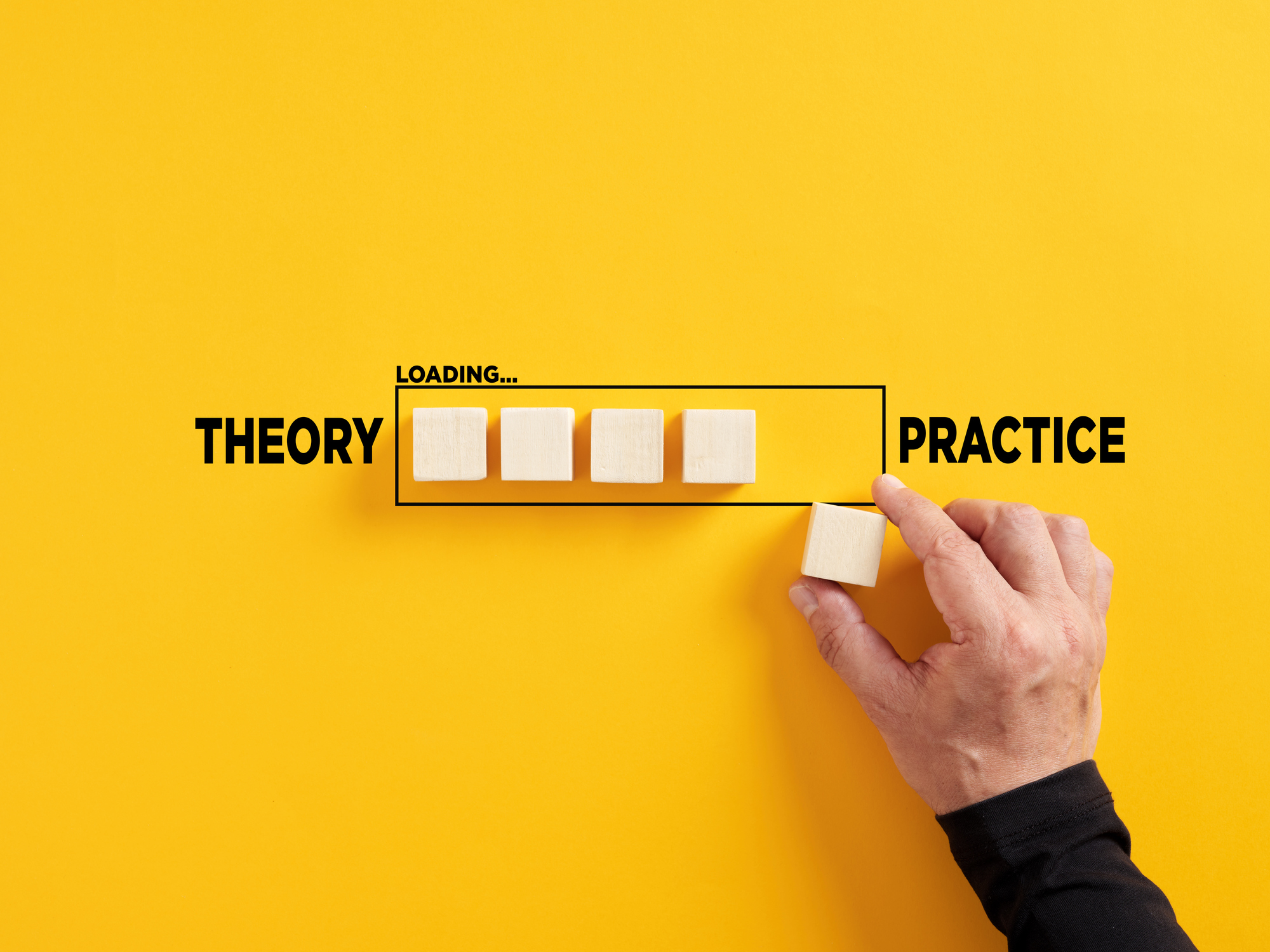
Applying Theory to Practice
A pivotal moment in Caroline’s education was learning about Mayer's Principles of Multimedia Learning. This framework provided her with a vocabulary and structure to evaluate her instructional materials with a critical eye. By applying these principles, she has improved her ability to design effective learning experiences for both children and adults, ensuring accessibility and engagement. Caroline highlights that understanding these theories has transformed her perspective on teaching and learning.
Balancing Teaching, Graduate School, and Life
Caroline shares her approach to balancing the demands of her teaching career, graduate studies, and personal life. With 23 years of teaching experience, she has developed organizational tools that help her manage her time effectively. Caroline emphasizes the importance of setting aside dedicated time for different responsibilities and sticking to a structured schedule. She also shares her personal mantra, "I can do hard things," which has helped her persevere through challenges, including moving houses and managing a busy academic workload.
The Interconnectedness of Learning Theories
As Caroline reflects on her studies, she recognizes the interconnectedness of various instructional design theories, such as Universal Design for Learning and cognitive load theory. She believes that effective instructional design is about creating multiple pathways for understanding, ensuring that all learners can access and engage with the content. This holistic understanding of educational theories has enriched her teaching practice and inspired her to explore new strategies.
Conclusion and Takeaway
Caroline's journey through the Master of Science in Instructional Design program has empowered her to become a more effective educator and instructional designer. Her experiences illustrate the value of understanding instructional design principles and applying them in real-world contexts. By fostering a structured approach to her responsibilities and embracing the challenges of her role, Caroline exemplifies resilience and dedication in education. Key takeaways from her journey include the importance of a supportive learning community, the application of instructional design theories in practice, and the power of personal mantras in overcoming obstacles.
📢 Call-to-Action: After listening to this episode, take a few minutes to jot down one way you’d like to grow as a learning designer this year—whether that’s exploring a graduate program, updating your portfolio, experimenting with microlearning, or trying a new strategy in your classroom. Then, choose one small step you can take this week to move in that direction and put it on your calendar.
Photo Credit: https://www.istockphoto.com/portfolio/cagkansayin?mediatype=photography

Instructional Designer, Author, College Professor, and Podcast Host
Jackie, an Arizona native, leverages decades of experience as an instructional designer within both higher education and the corporate world. She holds an MBA and a Master of Science in Instructional Design and Technology, both acquired through online learning. In addition to her full-time role, Jackie serves as an adjunct instructor, teaching online courses at Grand Canyon University. During her leisure time, she delights in reading books across a range of genres, enjoying movies and TV shows, playing games, listening to uplifting music, and spending quality time with her family and friends.

Paragraphs, Not Panic: Dyslexia-Smart Strategies with Russell Van Brocklen