Apple Podcasts
 Spotify
 Youtube Music
 Amazon Music
 iHeartRadio
 Podcast Addict
 PocketCasts
  Podchaser
  Deezer
  PlayerFM
  Castro
  Castbox
  Goodpods
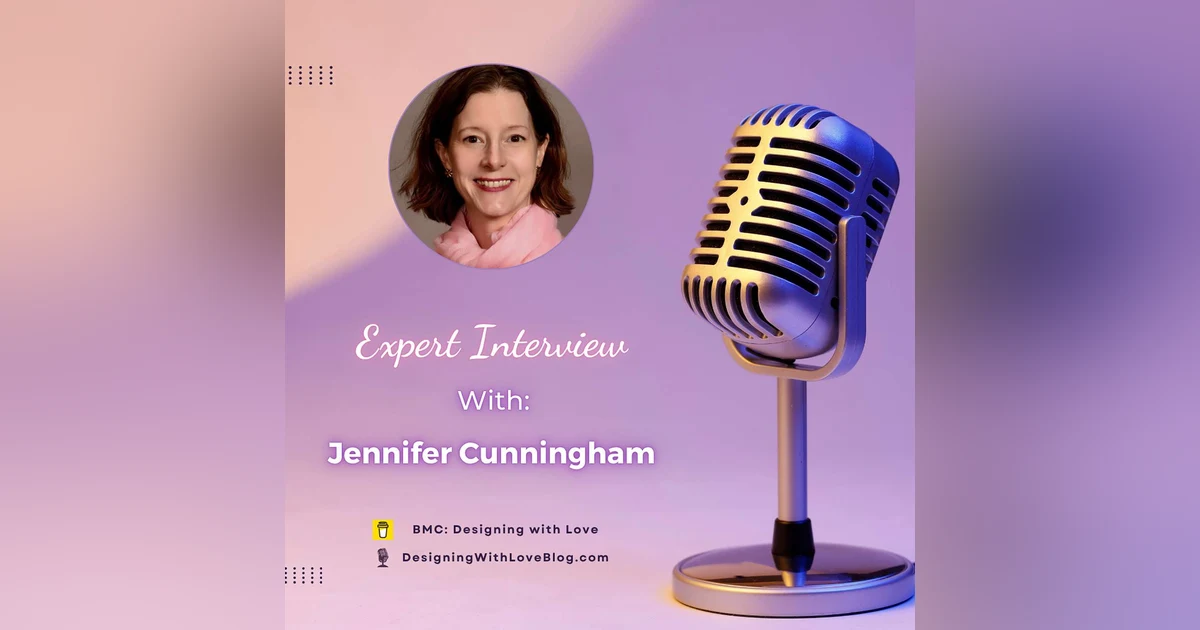
 Alumni Engagement That Works With Jennifer Cunningham

Key Takeaways
- Most educational institutions and nonprofits do not have an engagement problem; they have a follow-up problem that requires consistent next steps after an initial event.
- Effective alumni engagement strategies shift from purely social friend-raising to intentional relationship-building that offers mutual value for both the institution and the graduate.
- Lifelong learning, professional development, and career networking opportunities act as the primary threads that keep alumni connected and willing to give back.
- Organizations can successfully adapt marketing principles like the customer journey and empathy mapping to design meaningful long-term community connections.
- Expanding the definition of alumni beyond traditional universities to include former clients, volunteers, and program participants opens up major untapped networks for nonprofits.
Most schools and nonprofits don’t have an “engagement problem” they have a follow-up problem. If you’ve ever gone to a campus event, felt a quick burst of nostalgia, and then never heard anything meaningful again, you’ve seen the gap firsthand. I sit down with alumni engagement and nonprofit consultant Jennifer Cunningham to unpack what actually turns a one-time attendee into a connected community member who mentors, hires, volunteers, advocates, and eventually gives back.
Jennifer shares how alumni engagement has shifted from planning social gatherings to designing intentional experiences with a clear return for both the institution and the alumni. We talk about building an engagement journey that has logical next steps, why student success and career outcomes make alumni networks more important than ever, and how “lifelong learning” can be the thread that keeps people coming back through webinars, certificates, executive education, and other professional development opportunities.
If you care about community building, alumni relations, nonprofit engagement strategies, or career networking for graduates, this conversation is packed with practical ideas you can apply right away. Subscribe, share this with a colleague, and leave a review, then tell us: what’s one follow-up you wish your school or organization would send?
🔗 Website and Social Links:
Please visit Jennifer Cunningham’s website and social media links below.
📢 Call-to-Action: This is a link to buy my minibook called Give Back and Get Ahead: Alumni Volunteering That Builds Your Career.
Join PodMatch!
Use the link to join PodMatch, a place for hosts and guests to connect.
Disclaimer: This post contains affiliate links. If you make a purchase, I may receive a commission at no extra cost to you.
💟 Designing with Love + allows you to support the show by keeping the mic on and the ideas flowing. Click on the link above to provide your support.
☕ Buy Me a Coffee is another way you can support the show, either as a one-time gift or through a monthly subscription.
🗣️ Want to be a guest on Designing with Love? Send Jackie Pelegrin a message on PodMatch, here: Be a guest on the show
🌐 Check out the show's website here: Designing with Love
📱 Send a text to the show by clicking the Send Jackie a Text link above.
👍🏼 Please make sure to like and share this episode with others. Here's to great learning!
Frequently Asked Questions
What is alumni engagement?
Alumni engagement involves designing intentional experiences that connect former students and participants back to an institution, fostering mutual value through networking, mentorship, lifelong learning, and financial or volunteer support.
How can schools improve alumni engagement strategies?
Schools can improve engagement by establishing consistent follow-up procedures after events, utilizing customer journey mapping to guide attendees toward deeper involvement, and leveraging technology to connect recent graduates with career opportunities.
Why is lifelong learning important for alumni relations?
Lifelong learning provides ongoing professional development—such as webinars, certificates, and executive education—which directly addresses the core reason alumni initially connected with the institution: their education.
Can nonprofits use alumni engagement strategies?
Yes, nonprofits can treat former clients, past volunteers, and program participants as alumni to build powerful networks for advocacy, mentorship, and ongoing community support.
00:00 - Welcome And Guest Introduction
02:16 - Jennifer’s Path Into Alumni Work
07:09 - What Meaningful Engagement Really Means
14:14 - Turning Attendance Into Ongoing Commitment
18:30 - Building Belonging Through Lifelong Learning
23:40 - Common Engagement Mistakes & Fixes
27:55 - Using AI Without Breaking Trust
31:00 - Designing Community With Empathy & Co-Creation
34:46 - Closing Thoughts & How To Connect
Welcome And Guest Introduction
Jackie Pelegrin
Hello, and welcome to the Designing with Love podcast. I am your host, Jackie Pelegrin, where my goal is to bring you information, tips, and tricks as an instructional designer. Hello, instructional designers and educators. Welcome to episode 136 of the Designing with Love Podcast. I'm thrilled to have Jennifer Cunningham with me today. Jennifer is an alumni engagement and nonprofit consultant who helps organizations build communities that give back. She works with colleges, universities, schools, and nonprofits to design practical engagement strategies that turn interest into involvement and investment. And I love that. On the flip side, she helps alumni tap into these communities to get the biggest return on their degrees and shared experiences. Welcome to the show, Jennifer. Thank you. This will be fun. Yes, I'm looking forward to it, especially with a lot of my students that love to listen and kind of hear what's the way that I can get the most, like I mentioned in the intro, the most out of my degree long after it's over. So that's really great.
Speaker
Yeah. Yes. I feel like I should contact your alumni engagement staff at GCU and see their uh the number of alumni who contact them go up after this episode. That would happen.
Jackie Pelegrin
Oh yes. I that's a great idea. And then I maybe I can share the link to them and just say, hey, you know, you might want to listen to some of these strategies and see what you can do to improve it. Right. Exactly. Yeah. Because how how many actually fill out the survey at the end of the program? Who knows, right? It's hard to hard to gauge that. Um, because we have they have surveys at the end of each program, or I'm sorry, at the end of each course for the students to fill out that's in their portal, and then they have a big one right at the end, right? That's supposed to kind of capture all of that. So yeah, I think and that would help too if they got more engagement in the surveys as well. So love it. Yeah. So uh to start us off, Jennifer, can you tell us a little bit about yourself and share what inspired you to focus on engagement and nonprofit consulting? Because I I am a consultant myself, so I always love hearing about those who do consulting in different areas
Jennifer’s Path Into Alumni Work
Jackie Pelegrin
as well. Yes.
Speaker
Um, so I joke that I got my first job in alumni relations when I was about seven years old. My father was very involved with his alma mater, and he paid me to stick stamps on their annual fund mailing to their class. Um, and so from when I was a little kid, I saw the benefits that he and my mother got from staying involved with their alma mater, but I didn't really think much about it as a profession. They were volunteers. Um, and then I went to college and went to work in New York City in advertising. Um, fast forward many years, uh, we had a couple kids. We were living on the West Coast, our families on the East Coast, um, and we wanted to uh get back east. And I was a freelance copywriter at the time. I thought I should probably get uh you know a job with insurance and all of that. Um and then my alma mater had a job opening in the engagement department that was perfect for me. Um I had been working with my chamber of commerce, I was a sole proprietor, um, and this job was for managing the entrepreneur network at Cornell University, my alma mater. And like the skies parted and the magic came down, and I got the job. Uh, they moved us to Ithaca, and um, we got our wish of being close to family. And so I was helping alumni who were entrepreneurs meet people who could help them. So, whether they were angel funders or VCs or employees or um just, you know, everything as an entrepreneur, uh, what do you need? And so I was putting on a lot of events, and the point of the events was really to bring all these people together, to feature some people who had made it, and then to work the magic in the room so that everyone in those three hours would meet who they wanted to meet, who they needed to meet to be successful in their businesses. And a lot of those turned into real appreciation for the university for that program. We saw people start to volunteer, start to give back money. Um, it was just um, you know, engagement with a purpose, which was kind of the first time I'd been exposed to that kind of thinking about gatherings and um how the alumni network worked. Um so, you know, fast forward 20 years, and I moved up at Cornell and then uh worked at Lehigh University as the head of their alumni relations and really saw not just the business reasons for people connecting, but the social reasons. A lot of people move to a new town, and the first thing they do is reach out to their regional clubs or people coming back to reunions and they see their roommate that they haven't seen in 50 years, and the magic that happens is like you know, just it's hard to describe. Um, but I wanted to be part of those connections for all the things. And then I just um I, you know, I was at Lehigh and I just I've done a lot of volunteering in the industry for a bunch of different schools, and I thought I really miss being an entrepreneur. I miss working on, you know, for myself and the time was right, and I made the leap, and here I am a year later.
Jackie Pelegrin
Wow, that's exciting to see that what a trajectory you had, right? And you know, thinking you were going to stay as a copywriter and and do all that, and then all of a sudden it just like you said, the sky's part and it was like life bulb moment, like epiphany, right? Exactly. Yeah, that's great. I love that. Sounds kind of like my trajectory. I was gonna go into business and marketing, and then things changed, and I started working in higher education and just and then I went away from it, went back to it, and I'm like, oh no, I just love it. Yeah. So it's like once you find your niche, yeah. Yes, you know it's meant to be.
Speaker
Yeah, yeah. And these are the things that's really it's really hard to get counseled about that when you're a 19-year-old at college, like Jackie, someday you will be an amazing teacher. You're like, well, but I want to do this and this professor, you know, so it is part of the career trajectory that we never expect.
Jackie Pelegrin
Right. And that really helps when it comes to keeping connected with your alma mater, right? And having that the and and connecting with others that are maybe that were in your classes that you're like, oh, I remember that person. Yeah, exactly. I love that. That's great. Yeah. So you you touched on this a little bit about the alumni engagement piece, uh, how it's being more than just events or newsletters, which I think is so true, and it should be more than that.
What Meaningful Engagement Really Means
Jackie Pelegrin
So, for listeners who may be new to this space altogether, how would you define meaningful alumni engagement and what makes it effective? So it depends who you ask.
Speaker
Um, it used to be very social. Um, and alumni directors were called friend raisers, and we were known for planning parties, and that's great, and things organically relationships happen, but now it is much more intentional. So even events um that are social can be meaningful and um intentional. And you know, with resources that universities being cut, as you probably know, left and right, um you know, there needs to be a return on investment for the university too. And so what I when I talk about engagement, I you can't see this on the podcast, but I'm making a little thing like where um, you know, people come together and they connect with each other and then back to the university in support of the university's goals. And so when we think about our resources and alumni engagement, yes, there's happy hours and social things, but then there are things like I was describing before where it's networking for career purposes. And the idea is like, you know, yes, you met your funder at a at an event or your um, you know, your next professor who you're going to grad school and and now you have this connection, um, remember that that was your alma mater, and then you give back to and you pay it forward. So um that's really meaningful alumni engagement when it is mutually beneficial to the university and the alumni. And I would also say, um, especially right now, if you read any of the headlines about higher ed, um it's really important now, the student success metric. So you're going to school, you're spending whatever, two to four years or more um getting your degree. And then these, it's like the worst job market ever in our lifetime for recent graduates. And so now more than ever, we need the alumni network to help itself. And so I always urge people if you went to a school, you had a great experience, and you want to give back, one of the best things you can do is to connect with students or with other alumni trying to find new careers. And so a lot of universities have invested in platforms and in career services and in alumni relations where those um that metric is being paid attention to more of how can alumni help the students and other alums in their careers.
Jackie Pelegrin
Wow, that's great. I don't think a lot of graduates think of that, right? They think they're they leave and then they go on and that's it. But there's so much reward to going back and and doing that, like you said, paying it forward. I like that. Wow, that's amazing.
Speaker
Yeah, well, and and it also, you know, you went to school somewhere, you know how hard it was, you know the blood, sweat, and tears, you know that that chemistry class was a bear, but you came out of that knowing chemistry. So now you were in a position to hire someone. Now go back to your school and say, I know, I know these are good, these are wise people and smart people.
Jackie Pelegrin
Exactly.
Speaker
Yeah, yeah, that's great. And I think you look at um some of the Ivy Leagues that do this really, really well. It's because from day one they say, let's hire each other. Let's, you know, there is a um the network in action of you went to Harvard, you know what they went through, you hire another Harvard grad. And every school can do that. Every alum from every school can do that. I went to this community college. I know, you know, that the the people there that went through their business administration are they know their statistics. I'm gonna hire one of them to do data analysis. Like everyone can use that model of uh networking with people they kind of know.
Jackie Pelegrin
Right. It's almost like hiring from within, right? Instead of looking out, you look in to what you already have. What are your what are your assets that you already have, the people that are already there within the school? I love that idea. Yes, because you can really find great talent if you, you know, yeah, like you said, they already know the curriculum, they know what it was like to go through it. So yeah, why not just uh why not go into that network of of individuals and instead of looking outward so much, look inside, right? Absolutely. Yeah, absolutely.
Speaker
And a lot of schools have job boards. Right. And they use platforms like Handshake uh for the students, and you can put on there, yes, I'm an alum looking for a student. Um so there are technologies that help with this too.
Jackie Pelegrin
Wow. So it's not you don't have to go the old school route anymore. You can utilize the technology and integrate it and make it a little bit easier for the school and for the students too, and alumni. Yeah, I love that. Great. And I, you know, we kind of talked about this a little bit, you know, like with the different types of activities that can happen. And so many schools and organizations, they are busy, and busyness can sometimes be a be a thorn in their side, right? Um, so they're busy doing a lot of activity, but they may still struggle to move people from that interest to real involvement. So, from your perspective, what are some practical ways to turn attendance or awareness into that deeper engagement advocacy, maybe even volunteering or giving back? Uh, like you said, that pay it forward.
Speaker
Yeah, yeah. So I actually wrote a book about a mini book about this for my colleagues in alumni engagement. Um, and the the big premise is don't worry so much about the kinds of events you're doing. Like most alumni engagement teams are on the right track. They'll do a reunion, they do a mix of intellectual and um, you know, social activities, they bring people back to campus, which is always great. They're doing a lot of the right things. What they are failing to do most of the time is to follow up. So you go to any event, and then what happens? Yay, you went to the event, you attended, and now you've moved on with your life. And
Turning Attendance Into Ongoing Commitment
Speaker
these so what I say to the staff is, you know, you invited them and they came, and now it's your move to say, Hey, I'm so glad you came. What's next for you? What are you going to do? Um, and we see that the more people come, the more it becomes part of their habit and their lifestyle. And um they'll get more deeply involved and you can lead them. Customer journey is maybe a word that some people use in marketing of um you get people to come once and then what? You know, it's like you walk into a target store, for example, every single aisle is put there for a certain reason. Like there are there's data science that shows how can we make you buy more and more often when you walk into a target store. And I'm saying the same kind of thing about alumni. Like you come to one event and then what? How can we get you to get more involved? What is what is the data in your database showing you about that customer journey of coming to a happy hour? Now what? Okay, now we're gonna invite you to a reunion. Okay, now you've come to reunion, now we're gonna ask you to volunteer for your class. Okay, now you volunteered, now we're gonna ask you for a gift, and now like there's there's ways. Yeah. Asking people and um and following up after every interaction you have with them.
Jackie Pelegrin
Right. So it doesn't just become a a bunch of one-time events, but they all connect to each other in meaningful ways. Wow, right. I love that. And they see that common thread of everything that that connects. Wow. That's great, Jennifer. I love that because so many times, yeah, you know, you just see little events here and there, and you're just like, yeah, I don't have time for that. I've got this, that, or the other. But if if you know that it's part of this bigger ecosystem, I think that really helps. And I I'm glad you brought up the the customer journey because that's something that even in instructional design, we we do those. Uh we do uh jer we do journey maps, and so we try to understand who the learner is, right? Um yeah, so it's pretty neat. We take an akin from marketing and we're like, oh, let's let's use those, but let's use it for educational purposes and training purposes. So it's really neat to see that. And then we do the another one, it's called an empathy map, and it's where you do the what are they what are they thinking, feeling, saying, or doing. So you can even do that too, right? With uh alumni offices could do that and see what what exactly are these alumni and students thinking? What are they feeling, right? And see where the pain points are um and where the successes are as well. Yeah, yeah. Absolutely.
Speaker
And and we do look at like life stage as well, um, which I'm sure in instructional design, you look at as someone a beginner, intermediate, advanced, like where are they in their learning? And we look at it, where are they in their life? Is it do they have kids? Are they grandparents? Are they traveling a lot? Are they um super wealthy? Are they going back to school? Like what what is their um their time of life and what do they want to give back right now?
Jackie Pelegrin
That's great because then you're meeting them where they are in their life. Yeah, that's great. Yeah. Instead of thinking five years down the road, you're thinking, what's what do they need right now? What's gonna help them move toward forward in their trajectory of their career or in their life and what they want to do? Yeah, that's great. Absolutely. Yeah, greater sense of purpose, absolutely. Wow, yes. So, and as you know, many of my listeners are instructional designers and educators, and we care deeply about building learning communities. That's uh that's what we're about. And it sounds like that's what you you do as well. You want to build those communities. So, what can they learn from alumni engagement strategies when it comes to creating that sense of belonging and long-term connection?
Speaker
Yeah, I think that um what we talked about before is is making, you know, meeting people where they are and continuing to follow up with them. Um, one of the other pieces of a great alumni engagement team is lifelong learning. And so I'm gonna shift the question, I think, a little bit to encourage your listeners to explore um,
Building Belonging Through Lifelong Learning
Speaker
you know, what your university has for adult learners and lifelong learning. And this is becoming a much bigger industry, if you will, as colleges look to um expand their footprints and expand um, you know, their the the students who apply and the kind of things that they teach. Um, and adult learners are different than you know the 19-year-old on-campus student. And so, you know, a lot of times it'll fall to the alumni office to think about lifelong learners and how do we attract our alumni back, either just for, you know, one-hour webinars with faculty or degree programs or certificate programs, or, you know, there's a million ways that colleges can offer this lifelong learning to their alumni. And so I always wished I had deeper relationships with um some of the people at the universities who were offering the executive education and the graduate degrees and that kind of thing, because um alumni, that's why they came there. That's the thing they all have in common is the education. And so no matter what happens afterwards, that's what they that they love. You know, the fun part, yes. But also the um the learning that happened, the intellectual stimulation. Um and you'll see, even at reunions, we'll offer intellectual programming and the alumni eat it up. They love being back in class. I think um Stanford actually had something during reunion that I don't know if they do it specifically anymore, but um classes without quizzes. Um, by some of their most yeah, their most popular professors. And um, so it's really it's that is the thread. That is what connects us all um originally.
Jackie Pelegrin
Wow, that's great. So it's a way for them to offer that professional development without going through their employer to do it, right? So yeah, yeah, I like that. That's great. And they know that they're getting it from tenured professors and those that know the subject really well. So they know they're they're getting that quality education. Wow, that's great. And it doesn't cost them anything, right?
Speaker
It's already part of the if they come back for a graduate degree or certificate, yeah. But if it's um the kind of lifelong learning that an alumni office does, you know, webinar would be free. But um sometimes there are on campus things. Um travel programs is a big thing in alumni relations where um alumni will travel on a tour, you know, a program. And sometimes it's a professor from that college that takes them. Sometimes it's um, you know, just a bunch of alums traveling together in a specific um program. But um again, however they're learning, it's that's the original thread that people connect through.
Jackie Pelegrin
I love that. That's great. Yeah, and a lot of employ it's nice too because a lot of employers will offer tuition benefits. So it kind of okay, it makes a little bit of a more of an incentive for them to do that. And then if they get an alumni discount, on top of that, it's like, oh, that's great. I love that. I'll take advantage of that one. Yes. Absolutely. Yes. I even have some students, they recently opened up a graduate certificate. Uh, so before they just had the master's, and the school I went to, my alma mater for my second master's, they had both the certificates and the master's that they offered at the same time. And what was really nice about it, Jennifer, is that it was great because they had the certificate embedded in the master's. So it really helped my career because I was able to halfway through get my certificate. And then they had an instructional designer position that opened up in the LD department at the university. So I was like, oh, should I try for it? I haven't gotten my master's yet, but I did try for it, and they gave me a deal to finish it up and then I could get the job. So I was like, wow, if it wasn't for that, I don't think I would have gotten the job. So it's really neat. So a lot of my now I've they've got a situation. Certificate program and a lot of people in my department because I work in a curriculum department, so a lot of them are deciding to get that certificate because it's for free. I'm like, wow, that's great. And now you're gonna be uh alumni now after you're done. Yeah, exactly. Take advantage of the perks, right? Exactly. Yeah, yeah, it's wonderful. So I wanted to sneak in a little bonus question uh because you have worked with colleges, universities, schools, and nonprofits, and even broader alumni networks, which I really love. So, across those different settings, what are some of the biggest mistakes organizations make when trying to engage people and what should they do instead?
Speaker
Um, yeah, so I've already talked about the failing to follow up, just kind of doing all this stuff and then hoping that people will know that you want them to continue to be engaged. I think that's a a huge uh mistake. The other one is data. And um, you know, I worked at some pretty fancy universities, and even they have you know trouble
Common Engagement Mistakes & Fixes
Speaker
with the data, um, just keeping track of people because people are moving so much and not updating their contact info. Um, there's so many things to um to follow with Instagram and Facebook and LinkedIn and all the things. Um, so uh not not assigning someone on the team to just be wake up every day thinking about the alumni engagement data and how you could use it. And the data does tell you a lot of stories, um, but you need to have somebody that is um maybe not to the level of like a data analyst, but someone who is keeping track of it, looking at it, using it to make better business decisions, um, is also really important. Um, and the other thing I would say this applies more to nonprofits who don't think about quote alumni. Um, and I'm starting to work with more and more of them. Um, you know, everyone thinks the word alumni means school, college. It's how we use it mostly. Um but, you know, there are like Teach for America has a brilliant um alumni program where the people who went and taught for a couple years, um, now a lot of those people are becoming um politicians and principals and superintendents and people who actually have um influence over policies that Teach for America really cares about. And so they keep in touch with their alumni for those reasons for the networking piece. Um, I just found out the US Olympic team has alumni. So if you competed in the Olympics as an athlete, they've got an alumni network that supports I was not an Olympian, at least not in this lifetime, but that's so cool.
Jackie Pelegrin
I love that. Wow.
Speaker
Yeah, yeah. And so those are examples of people who are doing it right, but a lot of nonprofits, for example, don't even think about like their past clients as alumni. Um, I was just talking to someone from the Boys and Girls Club who benefited from Boys and Girls Club as a kid, and now, you know, they made it. They're now an adult with resources and a family. And I was like, oh, you're a boys and girls club alum. And they hadn't thought of it that way. And their local chapter was not thinking about them as alumni. So um I think there's huge opportunity for nonprofits to really think about who are the people you used to serve, who are your former volunteers, who are um, you know, parents that, you know, get a summer camp. Um, they have alumni populations. So I think the word alumni, if I could be a brand advocate for the word alumni, I would be. Um, because I think it's a huge untapped market for a lot of nonprofits, even um companies like Google and Nike and all the big ones have employee networks where they, you know, they use them for again opening doors and for um hiring um the boomerang employees and for a lot of other reasons.
Jackie Pelegrin
Wow. So it's really a good idea to take that word and really expand it and and change, uh have people change their mindset about what it really means to be an alumni. And it's like you said, it's not just school anymore. So that's that's really great. Kind of as a follow-up to that, I was just thinking about when you were talking about the data. Do you think it's beneficial for organizations to even utilize, like tap into technology like generative AI and things like that, and maybe feed some of that in there and see if they can use that to look for patterns and and things like that into in the data to kind of help maybe alleviate some of that um that work maybe a little bit, not necessarily replace what they do, but just help to kind of read the data a little bit more.
Speaker
Absolutely. And a lot of schools are doing this. A lot of the alumni engagement teams and fundraising teams are are using AI for that purpose. And it's um, you know, at its best, it's taking the patterns and making the work and the opportunities to connect more relevant to people. So
Using AI Without Breaking Trust
Speaker
if I've never been to a happy hour in my life, just stop, you know, just stop asking me to them. I'm just not gonna go. Or if you see that my job just changed, you know, setups, triggers, where you're sending me congratulations or things. Um, so yeah, at its best, it's the data, that's analyzing data in a way that makes things more relevant for the alumni. Um, a lot of schools, and you probably, if you if you have a AI task force at GCU, um, I bet they would tell you they're struggling with privacy and um, you know, all the things that we've read about AI. So a lot of universities are being very careful on the student and research sides. Um, on the alumni engagement side, again, there's sort of a um a uh I don't want to say less risky, but it's more defined on that side.
Jackie Pelegrin
Right. That's true. Yes. Yeah, thankfully they've got when it comes to our curriculum and student data. Um, I'm glad they're they're very uh up on that and making sure that we have a closed system where we're not allowed to not allowed to put it into chat GPT. So hopefully our our faculty aren't doing it either. Let's let's hope but yeah, so it's it's good. And and we're trying to help the students to kind of use some of those tools that aren't going to uh compromise their privacy. So that's always good. Like we have some in some of the classes I've been helping to revise, we've uh especially the capstone, that's where they get a lot of that career readiness. But it but I always say they should get it early all throughout. They shouldn't just get it in that last class, but give it to them throughout. And so one of the a couple of discussion questions that are in some of the classes that they have is where they upload their resume or their CV and then they get help on that. And so one of the things I mentioned, because I did that one time recently with Claude Opus AI, but I um I took all my personal information, like my contact information, and I just redacted it before I uploaded it. And I said, we might want to mention that because I don't know if anybody would do that. They might just upload it and go, hey, can you help me? Yeah. So it's always I agree with you that privacy is always something that's at the forefront of my mind. Absolutely. Yeah. Absolutely. I love that. So, Jennifer, as we wrap up, what's one piece of advice you would give to educators, school leaders, and instructional designers like myself who want to create those communities where people feel see, oh my goodness, where people feel seen, valued, and motivated to stay connected.
Speaker
Yeah. Um, so I think taking some of the lessons from um from the alumni engagement network at their own schools, if they look at, you know, their graduate or undergraduate um or their summer camp, or you know, all the places where they personally have felt like an experience bound them to other people. And even people who went to that summer camp or went to that elementary school
Designing Community With Empathy & Co-Creation
Speaker
60 years before them or 60 years after them, you have something in common. So thinking about what is the thing that these people have in common and what are those feelings? You were talking about the empathy. Is it nostalgia? Is it gratefulness? Is it I want to pay it forward? Is it, you know, something that happened at that school or a life moment that you all went through at that school? Um, what are the common jokes? You know, those kind of things and mascots and athletics, all the stuff at school or again in your nonprofit that that binds people together. And then take those things and start building the community. Um, the other thing I think a lot about is um when I am building an alumni network for somebody or rebuilding it, I don't just come and say, like, okay, here's the menu. What do you want to do? I build it with people and with volunteers to say, okay, I didn't go to your school or I didn't, I wasn't in your nonprofit. Tell me, um, you know, talk to me. What is it that you think people would want? So I'm building it with them. And that getting that buy-in, especially from some key volunteers, is really the key to success of building these communities.
Jackie Pelegrin
Wow, that's I love that because you're you're getting them involved in the process. And so they're not they're not just an afterthought, right? So yes, exactly. We do that with uh when when we create great learning, you know, we we look at the very beginning, do that needs assessment and see where the where are the pain points, but then also what do you love to do and and just what what are some things that you want to learn? So it's I like that. That's great. Yeah, and the iterative involving them.
Speaker
The iterative process, I'm sure when you're teaching or you're developing this, you you might not get it right the first time. And so getting the feedback from people and you you switch up the questions or the case studies, or you know, how the the scenarios and the tests that go, you know. So yeah, it's very iterative. I think that would probably be the common word.
Jackie Pelegrin
Yes, and my listeners are familiar with that, especially the ones that are studying instructional design. Yes, uh, how it's how it's very iterative. They have to they have to go back and look at uh it's interesting too because in this capstone, they're having to look back at a previous uh instructional solution they did, and then they have to critique it and they have to see what would you change now that you learned you know through several classes and now you're in at the very end of the program, what have you learned? So it's really neat. And then they get to finalize their portfolio and get their artifacts to where they want it and everything, and and really polish it. So um, I'm finishing up the last week of this class. So I'm excited to see more of my students' portfolios and their videos of them presenting as if they're presenting to an employer, right? Or a network or something. That's always exciting.
Speaker
You could uh engage a few alumni who are HR at the companies they might be applying to and get them to critique the things too. That's that's a good use of alumni volunteers.
Jackie Pelegrin
Absolutely, yes. And I always say to my students, I give them that opportunity at the on in my one of my last announcements in my class. I give them a link to this to the podcast. And I'm like, if you want to be on it, here you go. Here's the link to my calendar, book a time with me. And some take me up on it, and I'm like, because that is such a good learning opportunity, and it's a good way to network because this is you know listened to by 90 people in 95 countries now. So I'm like, you're gonna get exposure in a good way, right? So it's a way to network without them even knowing it. So you just slide that in. I'm like, here you go, yes, and you get to talk about talk
Closing Thoughts & How To Connect
Jackie Pelegrin
about your experience. I had one student that she was like, Well, maybe I'll I'll get up the nerve someday to do it. And I'm like, I understand, you know, you're a little nervous, I get that, but just you know, the only way you'll know is to take the plunge. And yeah, you know, just like when you go for a job interview, you know, you just never know. Just do it.
Speaker
Yeah, and she'll be among the top one percent of people in our field who've ever done a podcast about her her industry. That's right, exactly. And I'm like, you are do it, do it, right?
Jackie Pelegrin
And I was like, you can put it on your portfolio, link link out to it, you know, and and then yeah, your portfolio is gonna be unique, it's not gonna be like everybody else's. So and one of my students did do that. I interviewed her at the beginning of the program, and then I interviewed her at the very end, where after she completed the program, and it was so amazing to actually get her experience on both parts of that spectrum and see how she learned and and grew. And a lot of it's it's it the first one is actually one of my top five um in the for the podcast, so it's really great. So I'm trying to get people to listen to the second one. I'm like, listen to both because it's so valuable. You'll get a lot out of it. So it's great. And I know they'll get a lot out of this one too. It'll be it'll be great for those that are career changers, right? That want to get into that second career. Great.
Speaker
Yeah, well, and I would say too, just one one more add-on there. Um for like there's so many volunteer opportunities at uh through these organizations and institutions that they can make you a little bit famous, you know, if you go back and speak to a class about your profession or you're on your own universities or your own, you know, other podcasts, or you know, local TV shows that are hosted by an alumni um journalist or something that knows you through something, like it, you know, you get a little little famous. And it like you said, it can be a writer or a um speaker or something through your alumni network can get you great exposure.
Jackie Pelegrin
So yeah, can be a career changer, yeah, in many ways. Yes. Absolutely. You never know. I love that. Well, Jennifer, thank you so much again for being here and for sharing such thoughtful and practical insights with my listeners. I that's what I love about this. It's evergreen, it's never gonna change, right? So yeah. Yes. So I really appreciate your perspective on engagement, belonging, and building those communities that last for years to come. I know this conversation will give educators and instructional designers like myself a lot to think about as they work to create those stronger connections in their own spaces. So for anyone who wants to learn more about you and stay connected, what's the best way to do that? Check out my website.
Speaker
It's engagejc.com.
Jackie Pelegrin
Great. I love that. Wonderful. And I'll make sure to stay connected with you as well. And anytime you want to come back on the show, I always roll out that welcome, Matt, and say you're always welcome to come back. So feel free to pop on anytime and we'll we'll have some great conversations. If there's anything that's like, oh, I'd love to share this with Jackie's audience. We can dive deep and do that.
Speaker
Wonderful. Fabulous. All right. Well, thank you, Jackie. This was a fun conversation. And um, you know, I always love talking with engagement about engagement with people who know about it but are still a little new to it. So um this was really fun for me. Thank you.
Jackie Pelegrin
Yes, me too. Thank you, Jennifer. Appreciate it. All right, thank you for taking some time to listen to this podcast episode today. Your support means the world to me. If you'd like to help keep the podcast going, you can share it with a friend or colleague, leave a heartfelt review, or offer a monetary contribution. Every act of support, big or small, makes a difference, and I'm truly thankful for you.

Alumni Engagement and Nonprofit Consultant
Jennifer is an alumni engagement and nonprofit consultant who helps organizations build communities that give back. She works with colleges, universities, schools, and nonprofits to design practical engagement strategies that turn interest into involvement and investment.
On the flip side, she helps alumni tap into these communities to get the biggest return on their degrees and shared experiences.
Jennifer brings nearly 20 years of experience in alumni relations and advancement, including senior roles at Cornell University and Lehigh University.
She's written two minibooks, one for professionals in alumni relations and one for alumni who want to keep benefiting from their investment in school, college, summer camp, company, and volunteer roles.