Navigating the New Realities: Unpacking VR, AR, and MR for Lasting Impact
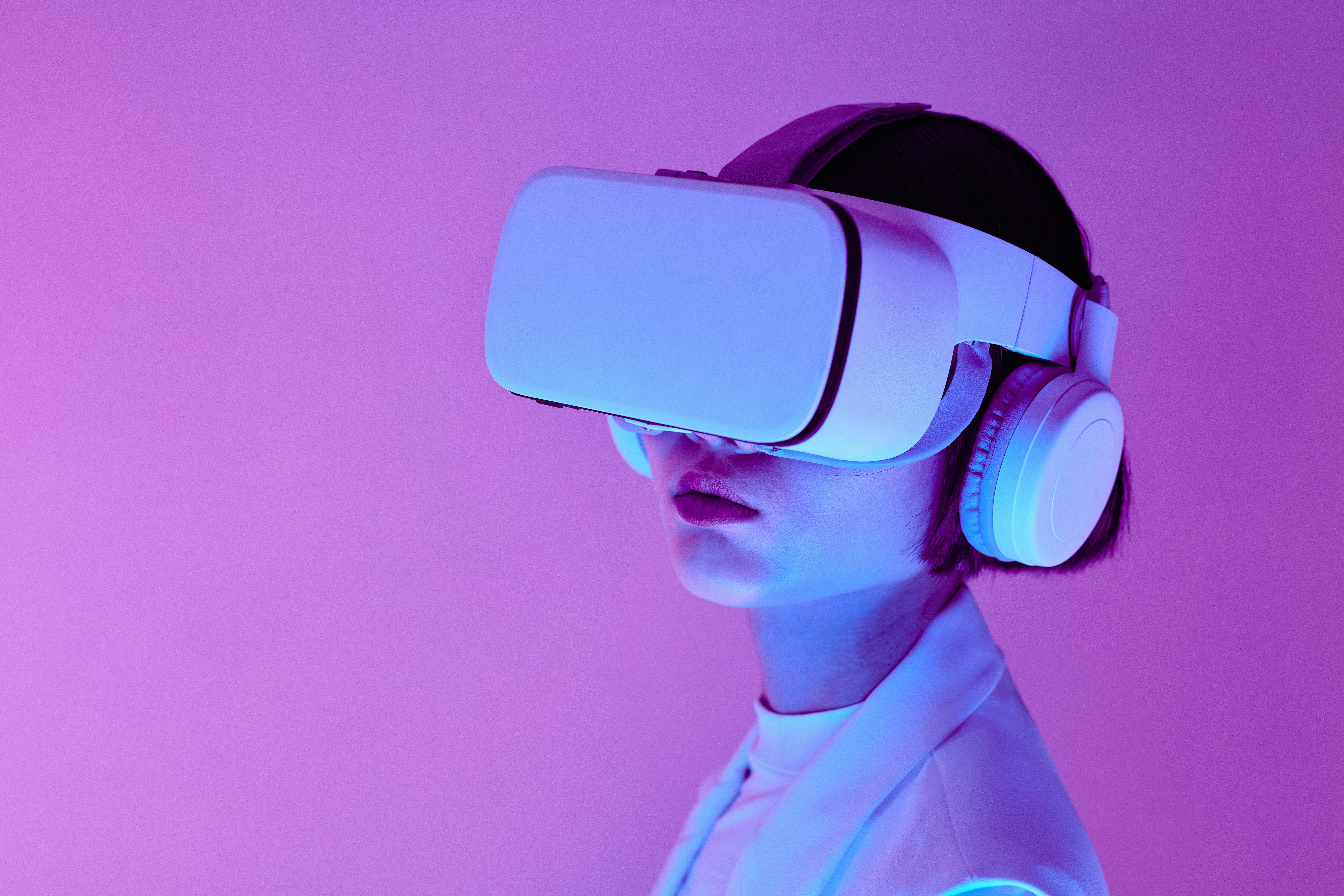
In the rapidly evolving world of instructional design, the use of immersive technologies like virtual reality (VR), augmented reality (AR), and mixed reality (MR) is reshaping how we teach and learn. In episode 91 of the Designing with Love podcast, Jackie dives deep into the practical applications of these technologies, emphasizing the importance of intentional design over mere technological excitement.
Understanding Immersive Technologies
Jackie begins by clarifying the definitions of VR, AR, and MR. Virtual reality offers a fully immersive environment requiring a headset, where learners can be transported to various settings like a factory or even Mars. Augmented reality overlays digital information onto the real world, enhancing the learner's experience without removing them from their environment. Mixed reality combines both elements, allowing interaction with digital objects in real-world contexts.
Choosing the Right Modality
The heart of effective instructional design lies in understanding when to use each technology. For instance, VR is ideal for high-risk training scenarios, enabling learners to practice safely without real-world consequences. In contrast, AR is beneficial for providing real-time guidance within an existing environment, while MR excels in collaborative settings where complex 3D objects need to be manipulated.
Defining Learning Objectives
Before implementing these immersive technologies, it's crucial to establish a clear learning problem and desired outcomes. Jackie stresses the importance of asking what learners need to do differently post-training. This reflection can lead to simpler solutions, such as videos or job aids, instead of jumping directly to immersive tech.
Accessibility and Inclusivity
An essential consideration in designing with immersive technologies is ensuring accessibility for all learners. Not everyone can use VR headsets due to motion sickness or other challenges. As Jackie notes, providing equivalent pathways, like 2D simulations, is vital for inclusivity and engagement.
Creating Meaningful Interactions
Once the decision to use VR, AR, or MR is made, Jackie advises focusing on the objectives first and interactions second. For example, if the objective is to identify hazards, learners could be tasked with spotting unsafe conditions in a virtual warehouse. The design should reflect real-life scenarios to enhance relatability without overwhelming learners with unnecessary cognitive load.
Real-Life Application
To illustrate these principles, Jackie shares a case study of redesigning safety training for a distribution warehouse. Instead of relying on traditional slide decks and quizzes, the training incorporates a VR module where new hires identify hazards in a simulated environment. Complementing this with AR solutions and guided debriefs ensures a comprehensive learning experience that ties back to the real world.
Measuring Success
Jackie emphasizes the importance of assessment in immersive training. Identifying key behaviors to measure, such as hazard recognition accuracy or decision-making speed, helps in evaluating the effectiveness of the training. Gathering feedback from learners and supervisors, along with tracking business performance metrics, provides a holistic view of the training's impact.
Getting Started
For those feeling overwhelmed by the prospect of implementing immersive technologies, Jackie suggests starting with pilot projects. Focusing on a single high-impact use case allows you to learn and iterate without feeling the pressure to deliver a full program immediately.
Conclusion: Key Takeaways
In conclusion, the podcast episode highlights that the key to successful instructional design using immersive technologies lies in starting with a clear understanding of the problem, choosing the right modality, and focusing on meaningful experiences that truly engage learners. As Jackie reminds us, technology is merely a tool; the real heroes are the learners themselves. By designing with intention and purpose, instructional designers can create transformative learning experiences that resonate long after the training ends.
🔗 Resources and Related Episodes:
If you’d like to explore today’s topic further, here are a few resources to check out:
📝 Interactive Resource
Immersive Modality Navigator: Explore a short, self-paced course that walks you through four key steps: deciding whether you really need VR, AR, or MR, choosing the right modality, designing meaningful interactions without overwhelming learners, and planning how you’ll measure impact and pilot your first immersive experience.
📊 Research Report
AR | VR | MR | XR | Metaverse | Spatial Computing Industry Statistics Report 2025: This report, compiled by Horacio Torrendell, the founder and CEO at Treeview, shows how the spatial computing industry is experiencing strong growth across multiple market segments, with projections showing significant expansion through 2030.
🎧 Listen Next: Related Episodes
Episode 28: What is Cognitive Load and Why is it Important?: A practical guide to Cognitive Load Theory and why it matters in instructional design, with tips for managing mental effort so learners can focus on what truly counts.
Episode 44: Designing for Everyone: A Guide to Universal Design for Learning: An introduction to UDL principles and how to design from the start with variability in mind, so more learners can access and engage with your experiences.
Episode 65: Accessibility in Action: Inclusive Design for Every Learner: Practical strategies for designing with accessibility at the forefront—from structure and media choices to small tweaks that make a big difference for every learner.
Episode 79: Top Emerging Technologies Shaping Instructional Design: A tour of five emerging tools, including VR, AR, and MR, and how they’re reshaping the way we design for real-world skills and authentic practice.
Photo by Michelangelo Buonarroti: https://www.pexels.com/photo/a-woman-using-virtual-goggles-8728380/

Award-Winning Instructional Designer, College Professor, Consultant, and Podcast Host
Jackie, an Arizona native, leverages decades of experience as an award-winning instructional designer within both higher education and the corporate world. She holds an MBA and a Master of Science in Instructional Design and Technology, both acquired through online learning. In addition to her full-time role, Jackie serves as an award-winning adjunct instructor, teaching online courses at Grand Canyon University. During her leisure time, she delights in reading books across a range of genres, enjoying movies and TV shows, playing games, listening to uplifting music, and spending quality time with her family and friends.

Ethical AI, Authentic Voice, and the Joy of Progress with Jade Arthur

